Hiking
Recommended
Guided Hike on the Soufrière Volcano in Guadeloupe
(168)
Organized by Vert Intense
Soufrière, Guadeloupe
6 hrs
From€60
This beginner-friendly guide breaks down all the essentials you need to start hiking, from packing smart to staying safe on the trail. Discover how simple preparation can turn your first trek into an unforgettable adventure, plus find the best spots to begin your journey with confidence.
Welcome to Manawa, the website for booking outdoor activities around the world. From diving to canyoning, we connect adventure enthusiasts with professional local instructors to guarantee unforgettable experiences.
Besides being an affordable way to explore some of the world's most beautiful landscapes, hiking is a massive win for your overall well-being. It naturally builds stronger muscles and heart health, but the benefits for your mind are just as powerful. In fact, a study by the National Library of Medicine revealed that walking in nature was associated with reduced symptoms of depression and anxiety, offering a true mental reset. Plus, whether you are sharing the trail with old friends or meeting fellow travellers along the way, it is an incredible way to build community.
The best part? You don’t need to be an elite athlete or a seasoned mountaineer to experience this. Hiking is completely accessible to beginners; it simply requires the right preparation. In this guide, we will walk you through how to choose a trail that matches your current fitness level, exactly what to wear and pack to stay comfortable, and the essential safety and etiquette rules every new hiker should know. Finally, we will share some of the most spectacular, beginner-friendly destinations to inspire your very first trek.
Your very first hike should leave you feeling inspired and energized, not utterly exhausted or stuck in the dark. Finding that perfect sweet spot comes down to choosing a trail that matches your current comfort level rather than your long-term fitness goals.
Before looking at maps, take an honest assessment of what you are ready for. Keep these core factors in mind when browsing trails:
Once you know what you are looking for, you can use a mix of local knowledge, digital tools, and expert assistance to find the perfect path.
Word of Mouth: Don't underestimate local wisdom. Checking local Facebook groups, regional hiking forums, or simply stopping by a small-town tourism office can lead you to beautiful, lesser-known trails that are perfect for beginners.
Guided Hikes on Manawa: If you want to completely skip the stress of planning, navigating, and worrying about getting lost, booking a guided hike through Manawa is the ultimate beginner hack. A guide completely removes the anxiety of navigation so you can keep your eyes on the scenery rather than a map. They also act as local experts, sharing stories about the region's history, pointing out hidden wildlife, and teaching you about the local flora and fauna. Most importantly, they ensure your absolute safety, pacing the walk perfectly to your needs. If you are curious about how a professional can elevate your outdoor experience, check out our deep dive on Why go hiking with a guide? to see why it's a good choice for your first trek.
Self-Guided Apps: If you decide to venture out on your own, digital tools like AllTrails or Mapy.com are fantastic resources. You can easily filter trails by difficulty, length, and user ratings. Be sure to read recent comments from other hikers to get real-time updates on trail conditions, and always download your maps for offline use before you lose cell service.
You don’t need to spend a fortune on high-tech gear for your first few hikes, but wearing and packing the right things will make the difference between a glorious day outside and a miserable walk back. Here is how to gear up smartly.
The golden rule of outdoor comfort is layering. Weather changes quickly, and your body temperature rises as you move. Avoid cotton entirely—when cotton gets wet from sweat or rain, it stays wet, chills your skin, and takes ages to dry. Instead, dress in three simple layers:
For flat, well-paved paths, a sturdy pair of sneakers with good grip works just fine. However, if the trail is rocky, muddy, or full of tree roots, dedicated hiking boots or trail running shoes are best. They offer stiffer soles to protect your feet and provide essential ankle support. Always pair your shoes with merino wool or synthetic hiking socks — standard cotton gym socks cause friction, which leads to painful blisters.
Grab a comfortable backpack and make sure these everyday essentials are inside before you head out:
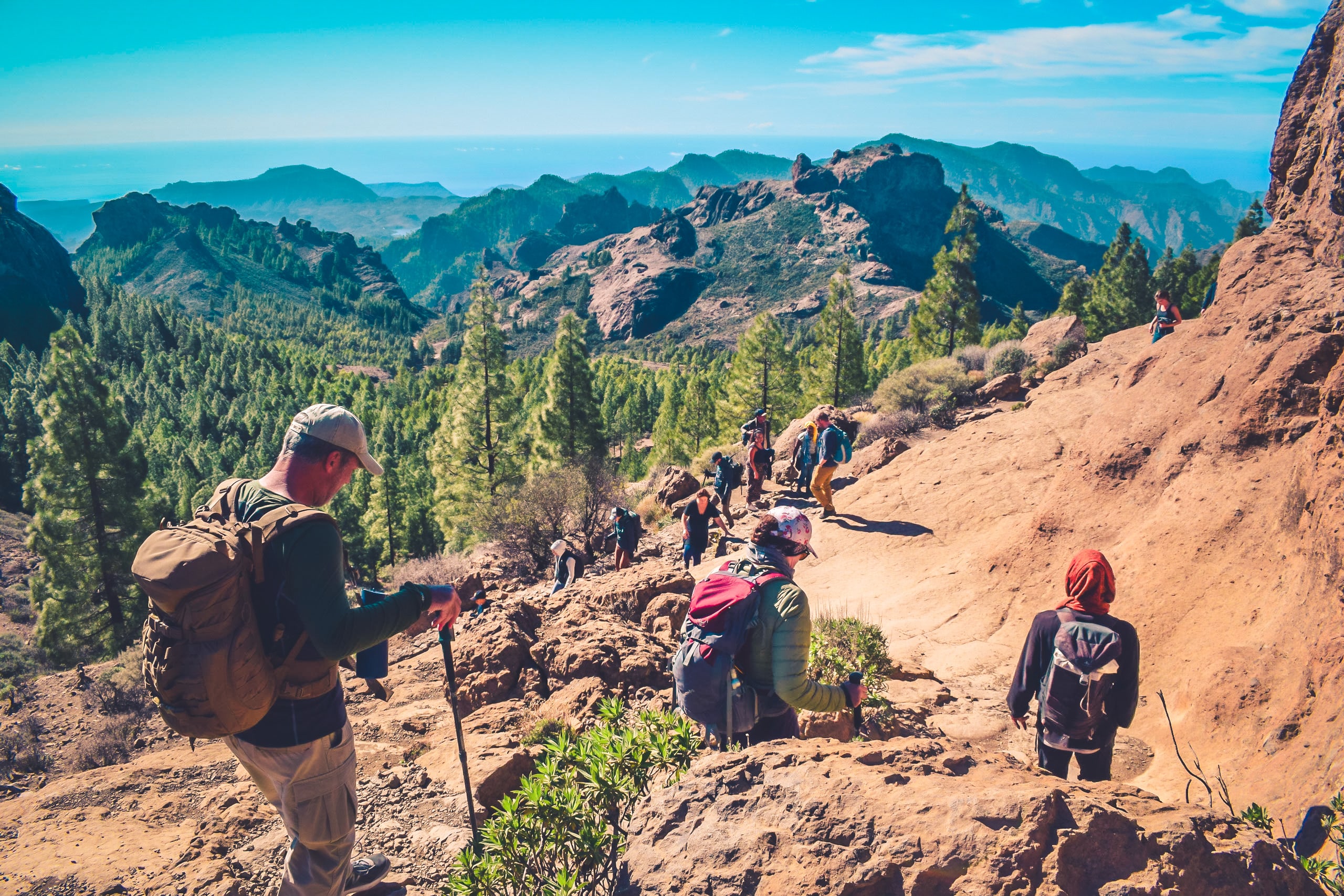
Staying safe on the trail doesn't require advanced survival skills — it just requires a few smart habits. Before you set off, keep these golden rules in mind:
Sharing the great outdoors means respecting both nature and your fellow trailblazers. The golden rule is simple: always take your trash with you. To protect local wildlife and ensure your own safety, make sure to keep distance from any creatures you spot and don't feed animals, as human food may be harmful to their natural diet. Finally, show respect to other hikers by keeping noise levels low, and remember to yield on narrow paths to those walking uphill, as they have the right of way and need to maintain their momentum.
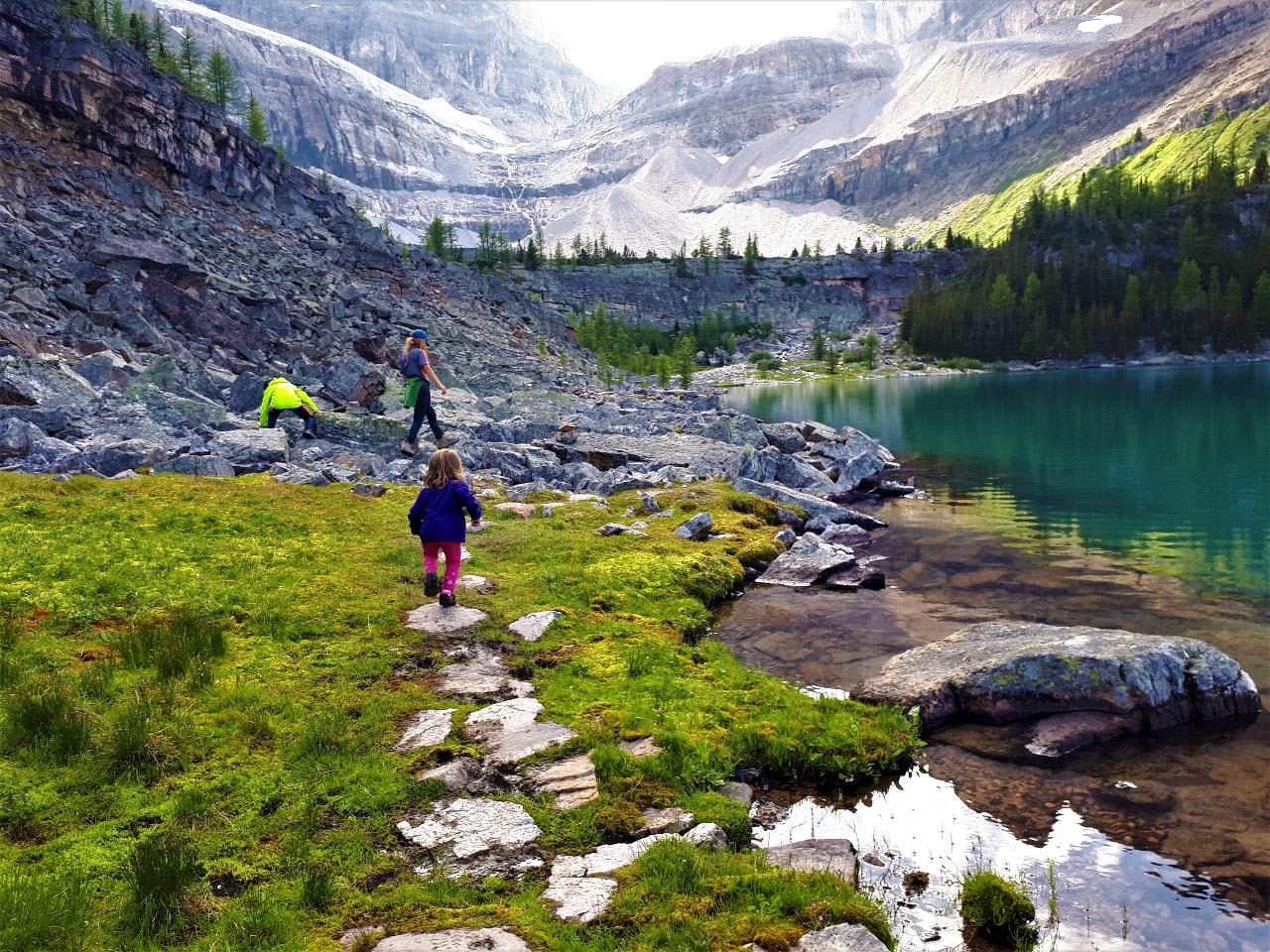
The world is full of stunning landscapes that don’t require expert mountaineering skills to explore, offering gentle trails with unforgettable views. Here are some of the absolute best beginner-friendly hiking destinations to kickstart your journey:
As we’ve covered, a successful trek requires understanding your personal limits, packing the right layers, and respecting the trail and its wildlife. By starting with gentle trails and the right mindset, you are opening the door to a lifetime of unforgettable outdoor experiences, clearer mental health, and breathtaking views.
Whether you want to hike in mountains or explore coastal cliffs, you can easily find a hiking activity around the globe on Manawa. If you want to keep learning before you lace up your boots, be sure to read our other articles about hiking to discover more inspiring destinations for your next escape. See you on the trail!
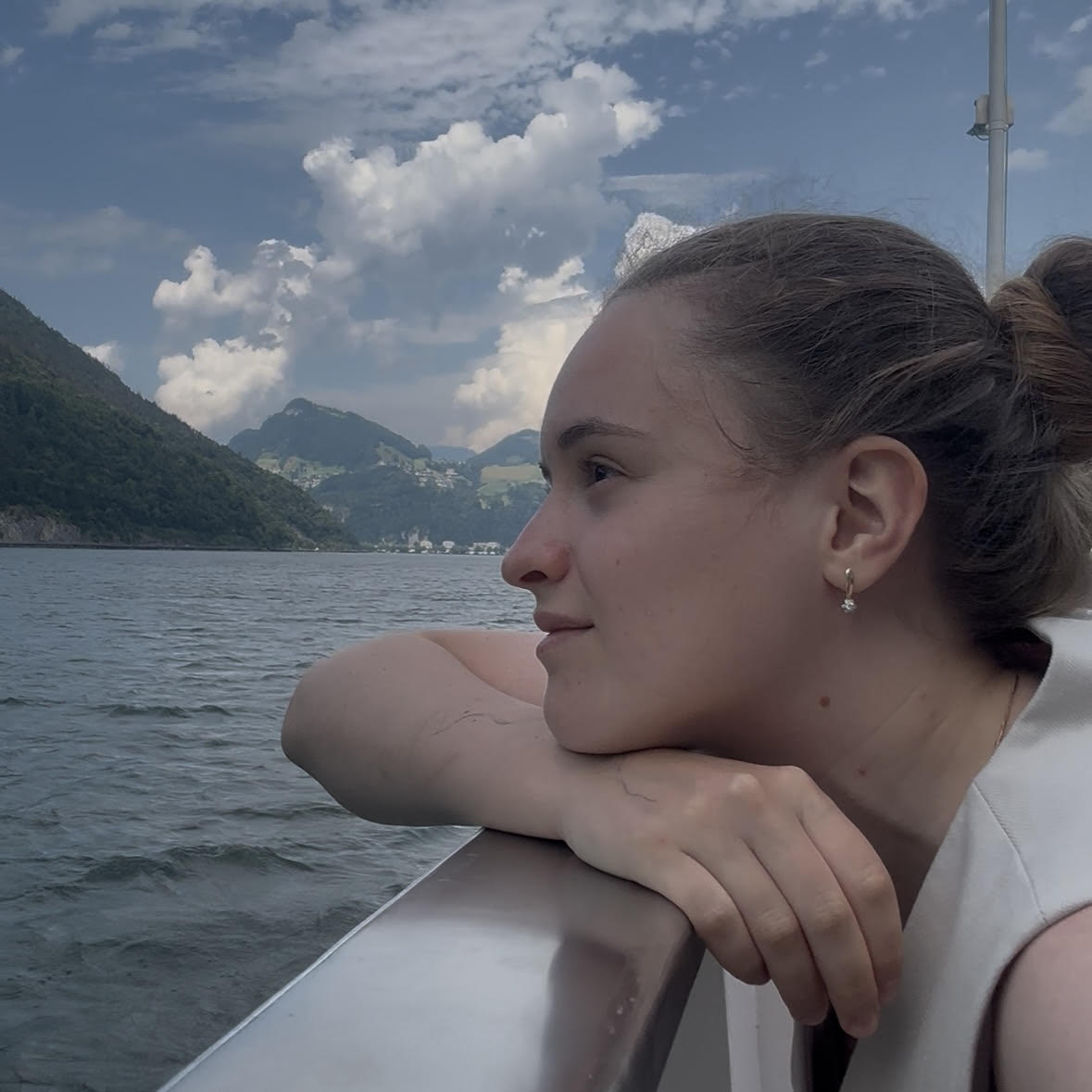
I’ve always loved traveling on my own and chasing new experiences, especially outdoors. I tend to plan my trips carefully, and I enjoy sharing what I discover — tips, places, and little lessons — in the hope that it can inspire others or help them make the most of their own adventures.
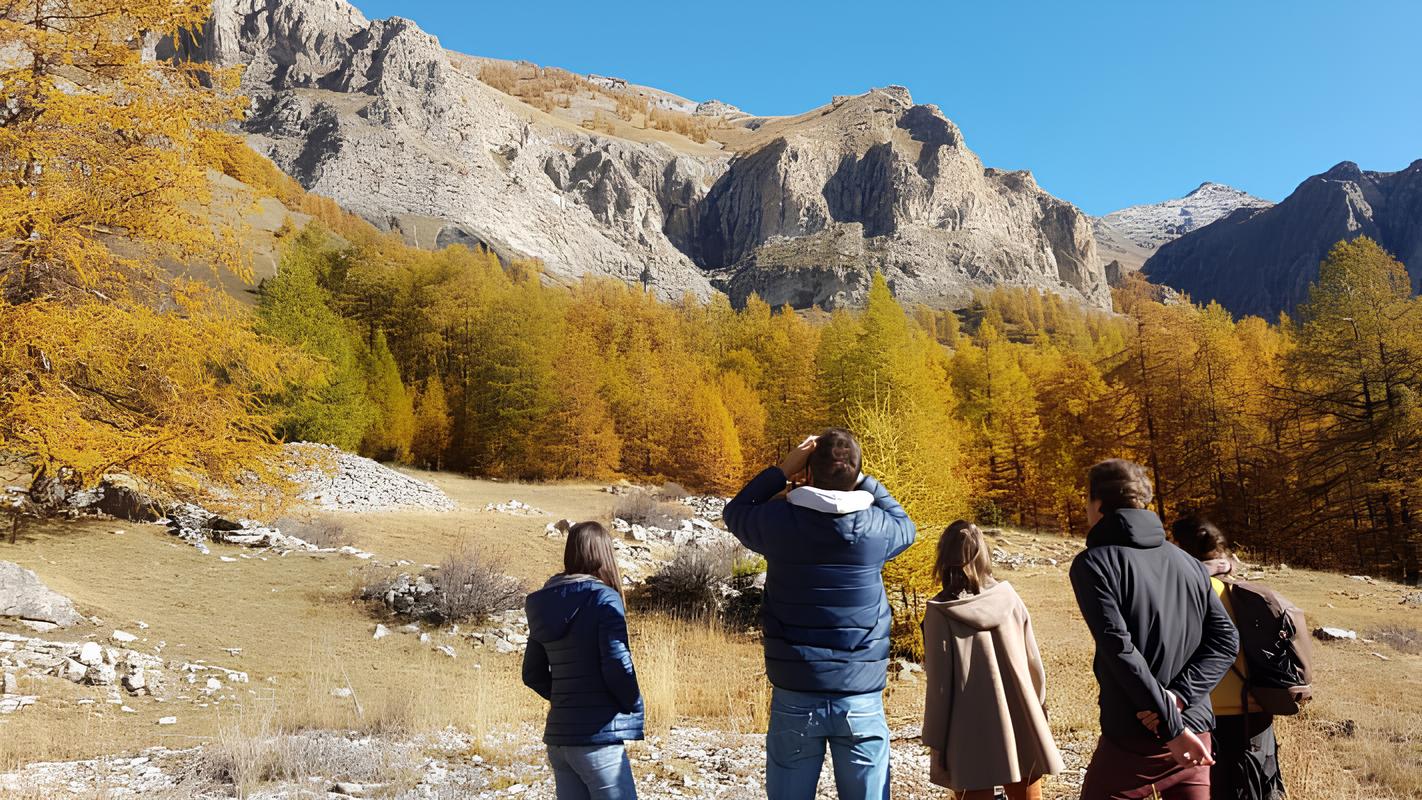
Are you planning to go hiking and wondering whether it would be a good idea to go with a guide? For us, it's a resounding yes, and we'll explain why!
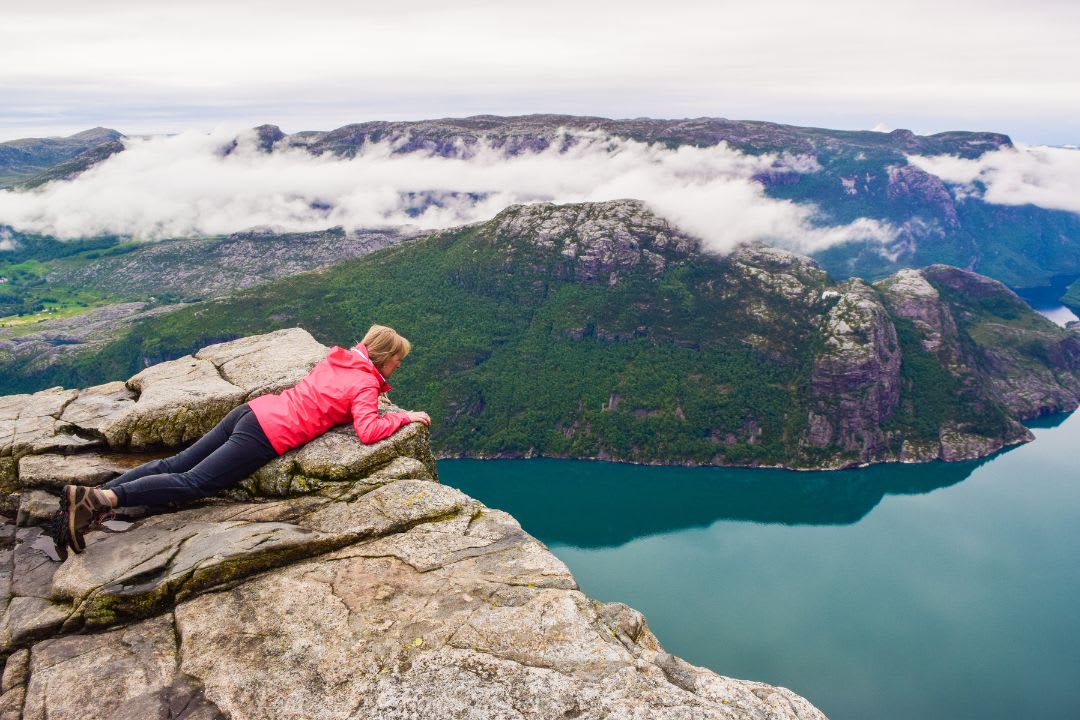
Discover our guide to hiking Pulpit Rock and explore Norway’s stunning landscapes confidently.
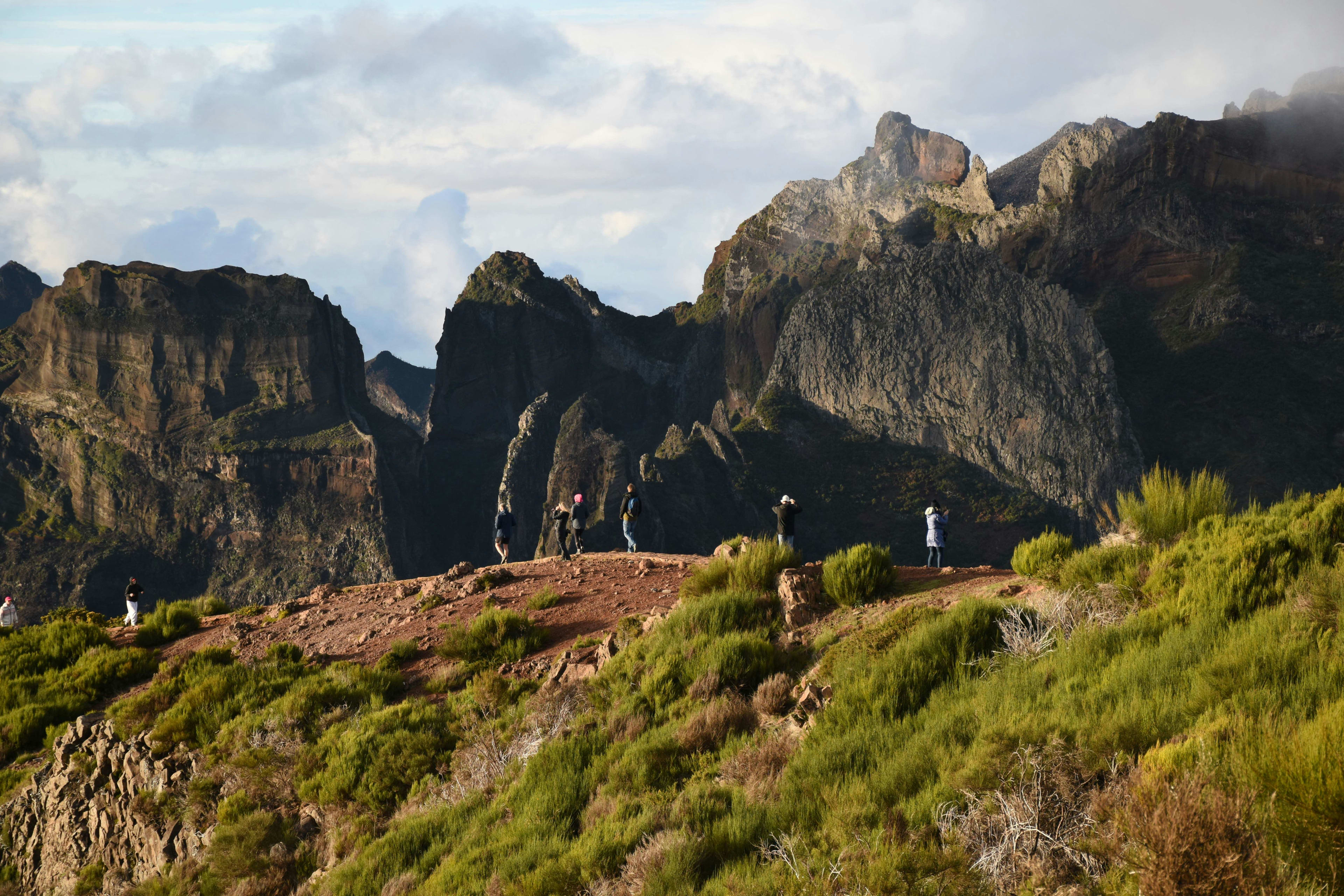
Discover Madeira’s stunning hiking trails, from volcanic peaks to lush levadas.
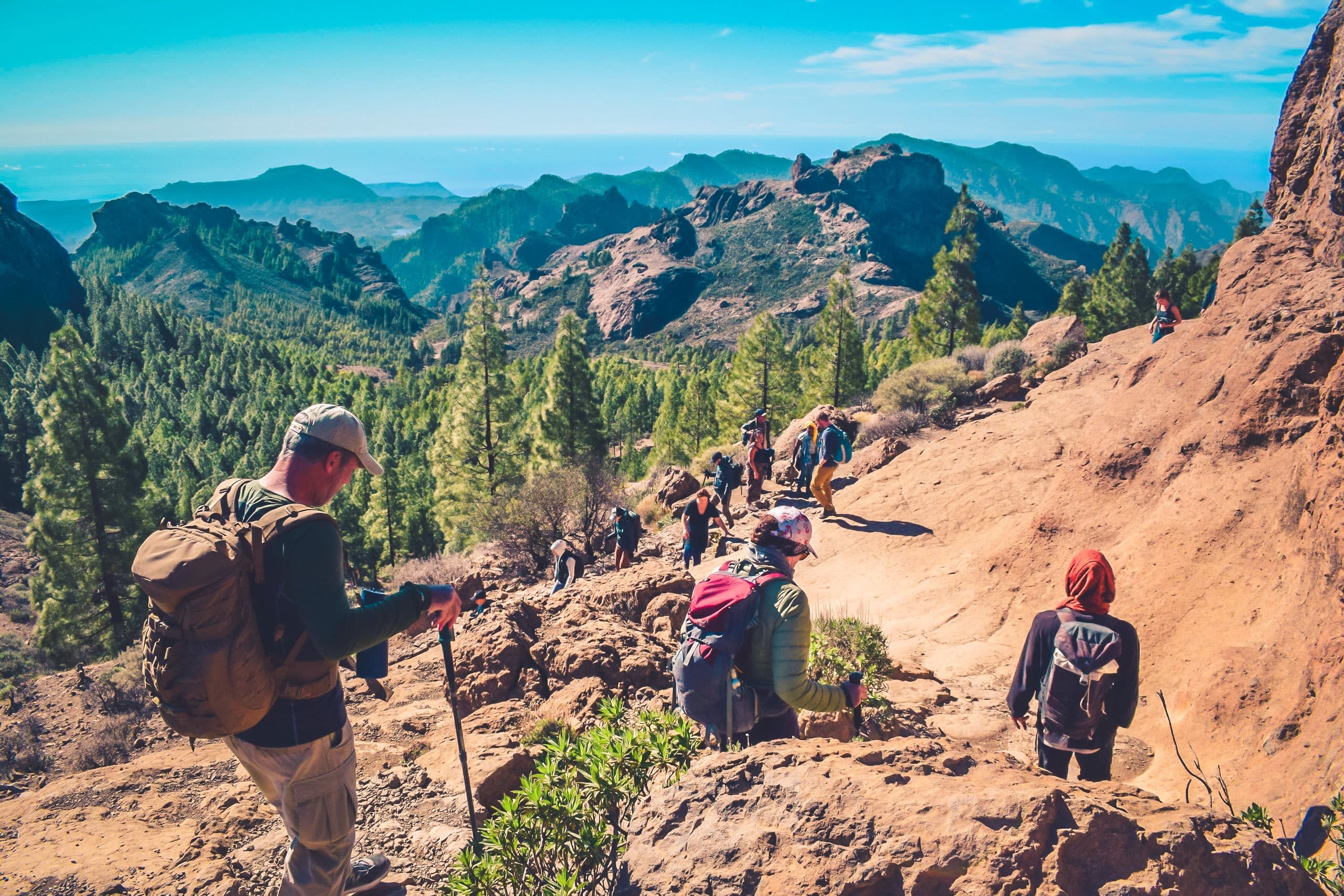
Visit the beautiful volcanic landscapes of the Canary Islands and be impressed by the colourful sands, rock formations and even the stars you will find there.
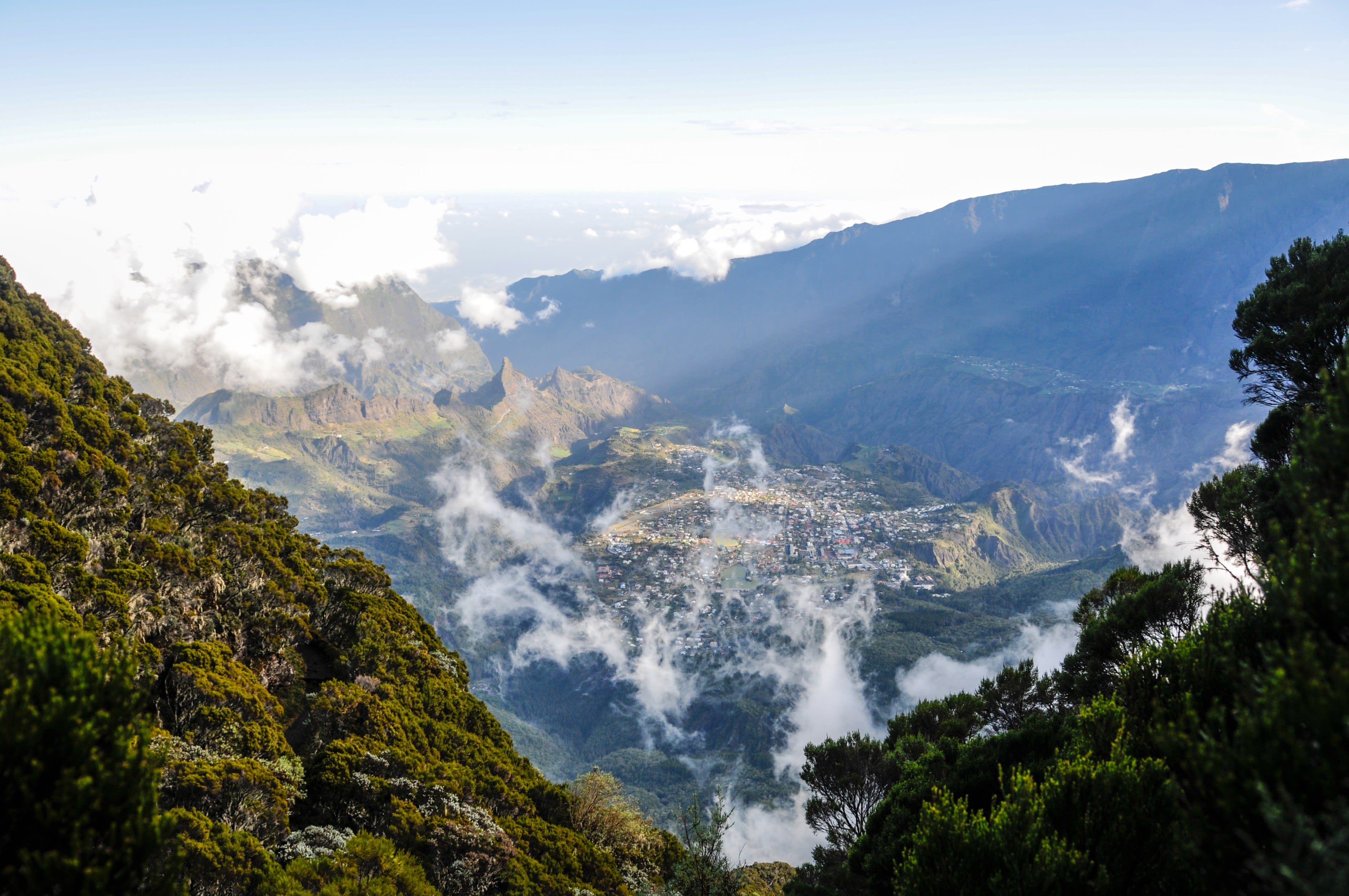
Visiting Réunion Island? Discover the different ways to visit the Cirque de Cilaos, one of the island's most impressive landscapes!
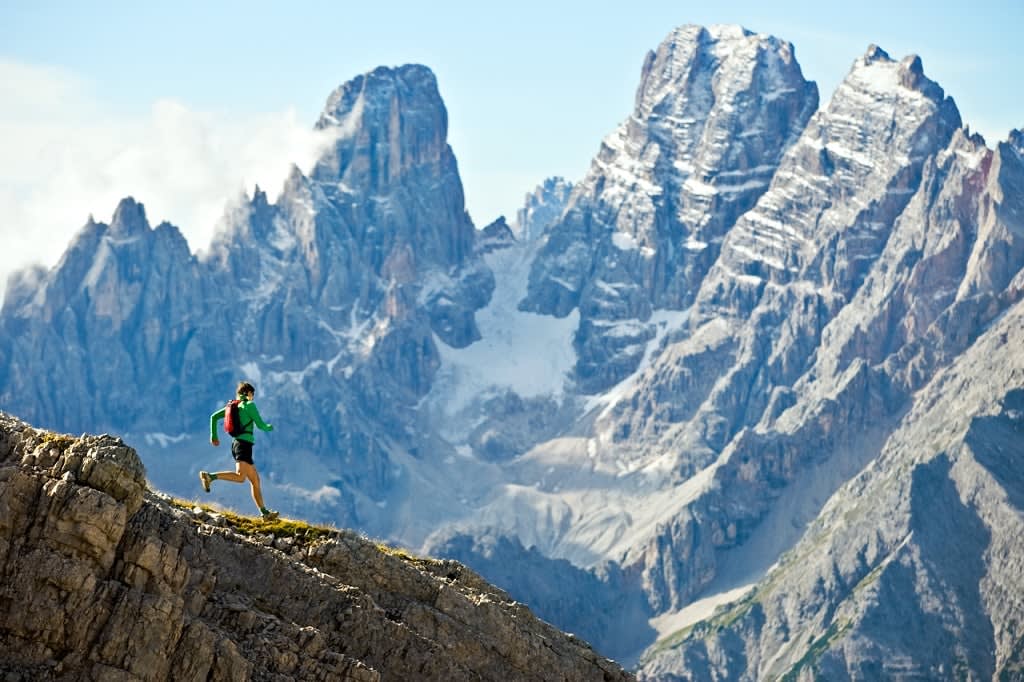
Some keys to get started in your first trail!