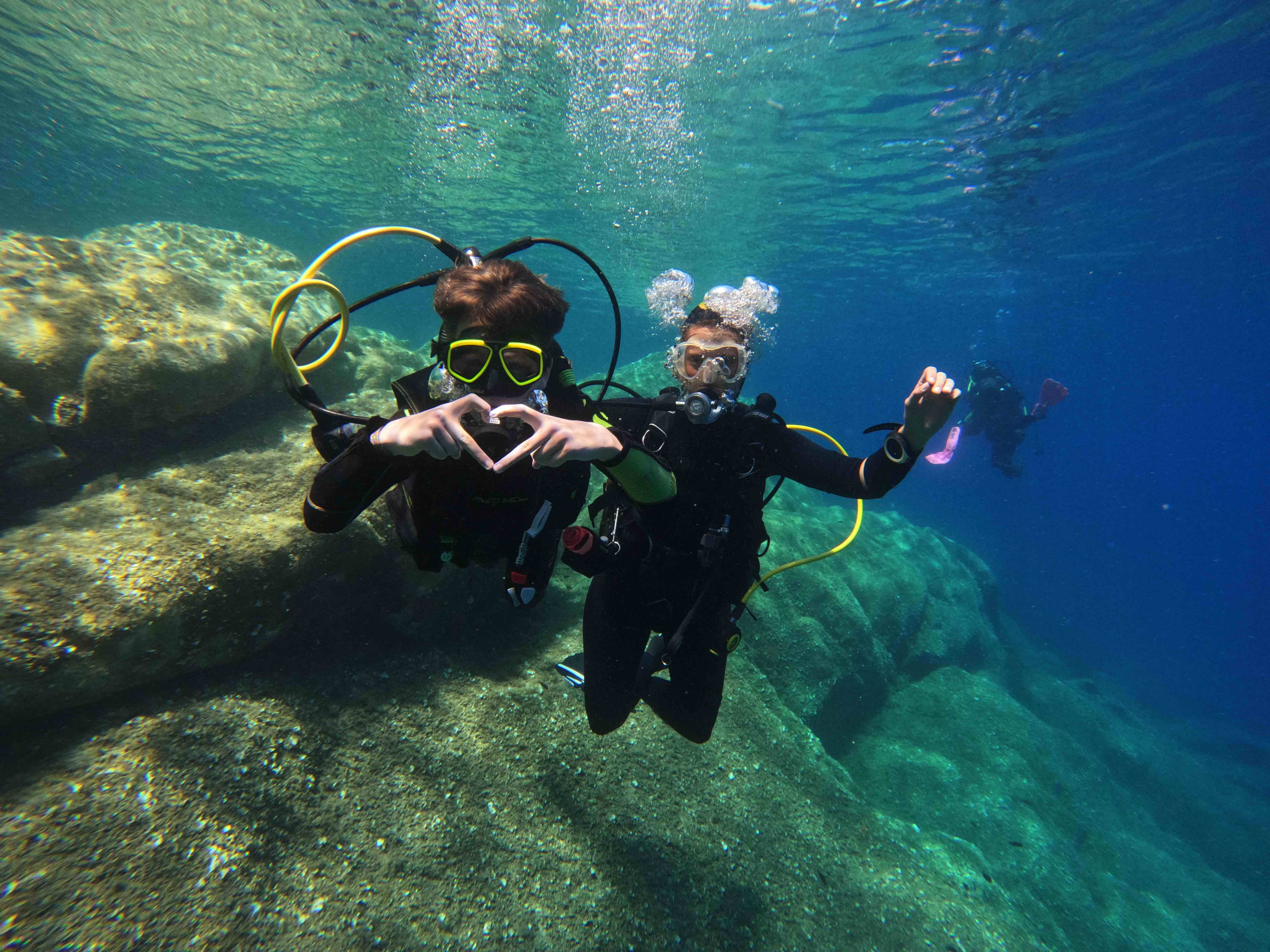
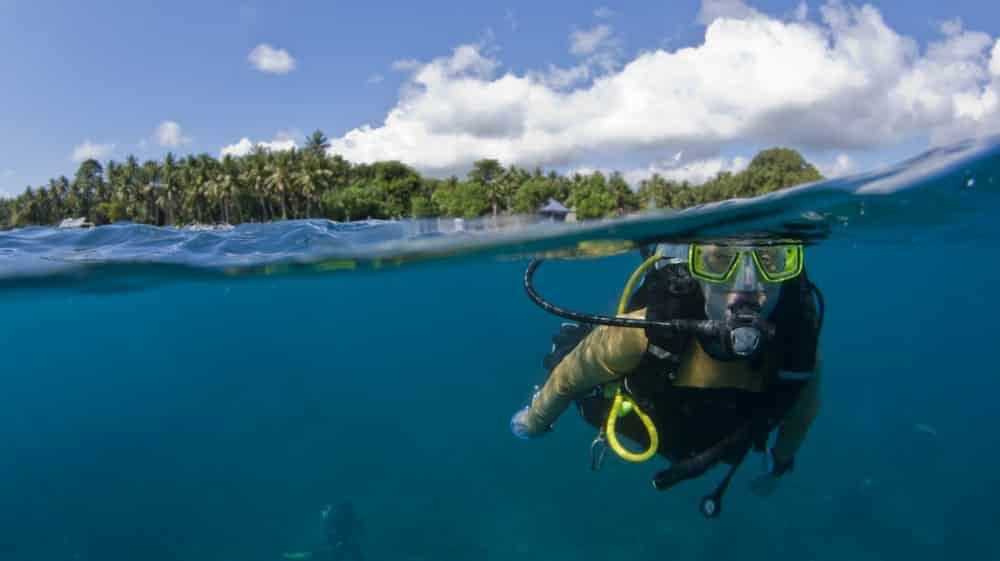
Scuba diving is one of the best ways to explore Corsica, offering world-class sites for beginners and pros alike. Known as the "Isle of Beauty," this destination is famous for its crystal-clear Mediterranean waters, vibrant marine life, and dramatic underwater landscapes.
From hidden sea caves and giant rock walls to historic plane wrecks and sunken ships, the island's waters tell a fascinating story. With easy access from every coast, it is the perfect destination for those seeking a mix of adventure and untouched natural wonder. Explore the top-rated dive sites in Corsica below.
1 - Porto Vecchio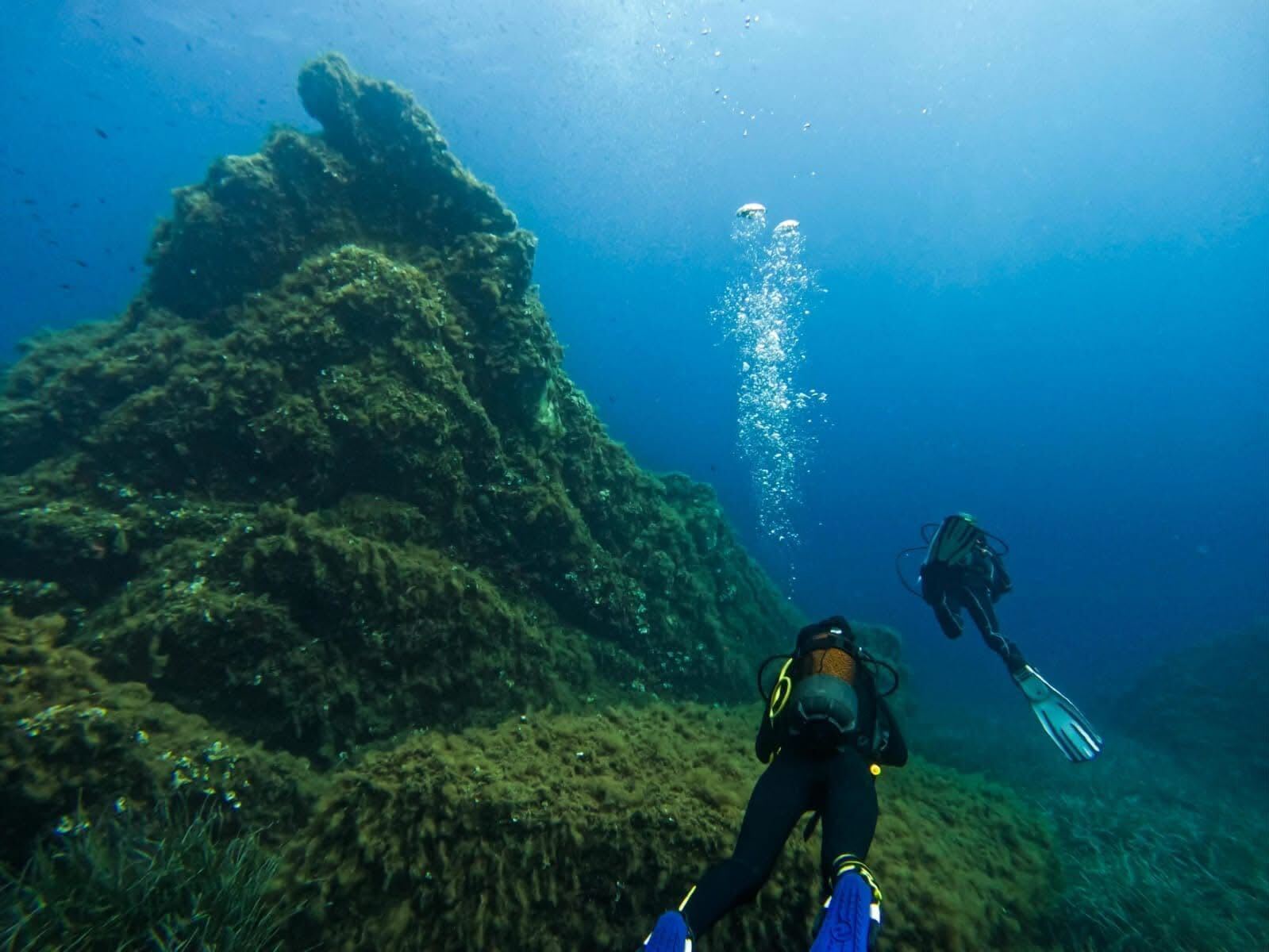
Sub Tortue
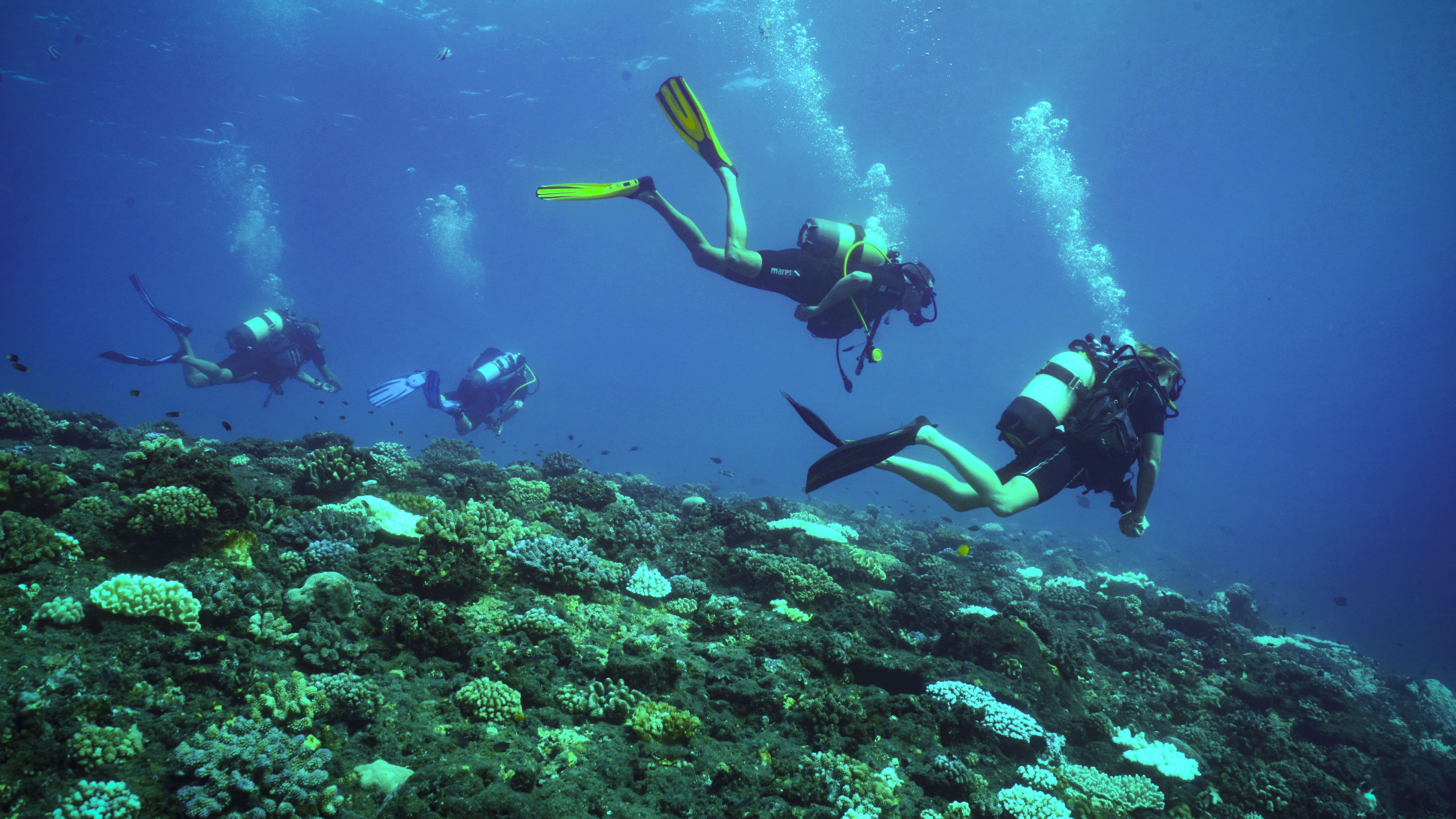
Located in southern Corsica, the Porto Vecchio is a dream for underwater lovers. The area is famous for its warm, turquoise waters — reaching up to 26°C in summer — and incredible biodiversity. While diving in Porto Vecchio, you can spot everything from large schools of barracuda and groupers to colourful starfish and tiny nudibranchs.
Top Dive Spots in Porto Vecchio:
- The Toro Islet: Located south of the Gulf, this islet is a wildlife hotspot. It is the best place to see large schools of barracuda swirling in the blue. With depths ranging from 5 to 25 meters, it offers a great experience for various skill levels.
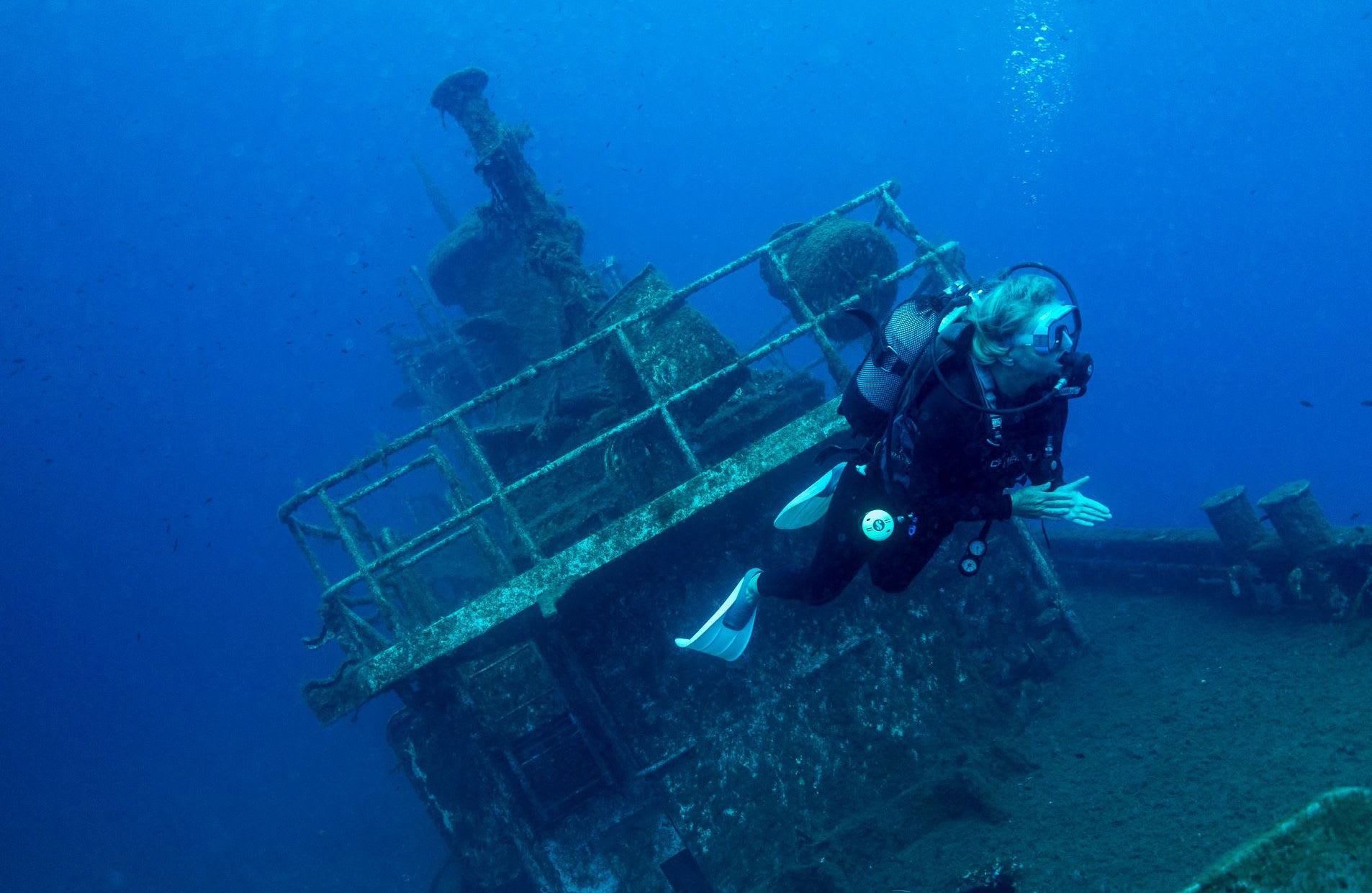
- The Pinella wreck (La Pecorella): Just 10 minutes from the marina, this cement carrier sank in 1965 and now rests in shallow water. The deck starts at only 3 meters deep, making it one of the most accessible wrecks in Corsica. It’s perfect for exploring passageways, though it requires calm weather to visit.
- La Vacca Sud: This protected site is perfect if you want to avoid strong currents. It features a massive variety of fish, including amberjacks and groupers. If you visit in April, keep an eye out for octopuses! Because it is shallow (starting at 4m), it is excellent for both scuba diving and snorkeling.
2 - Ajaccio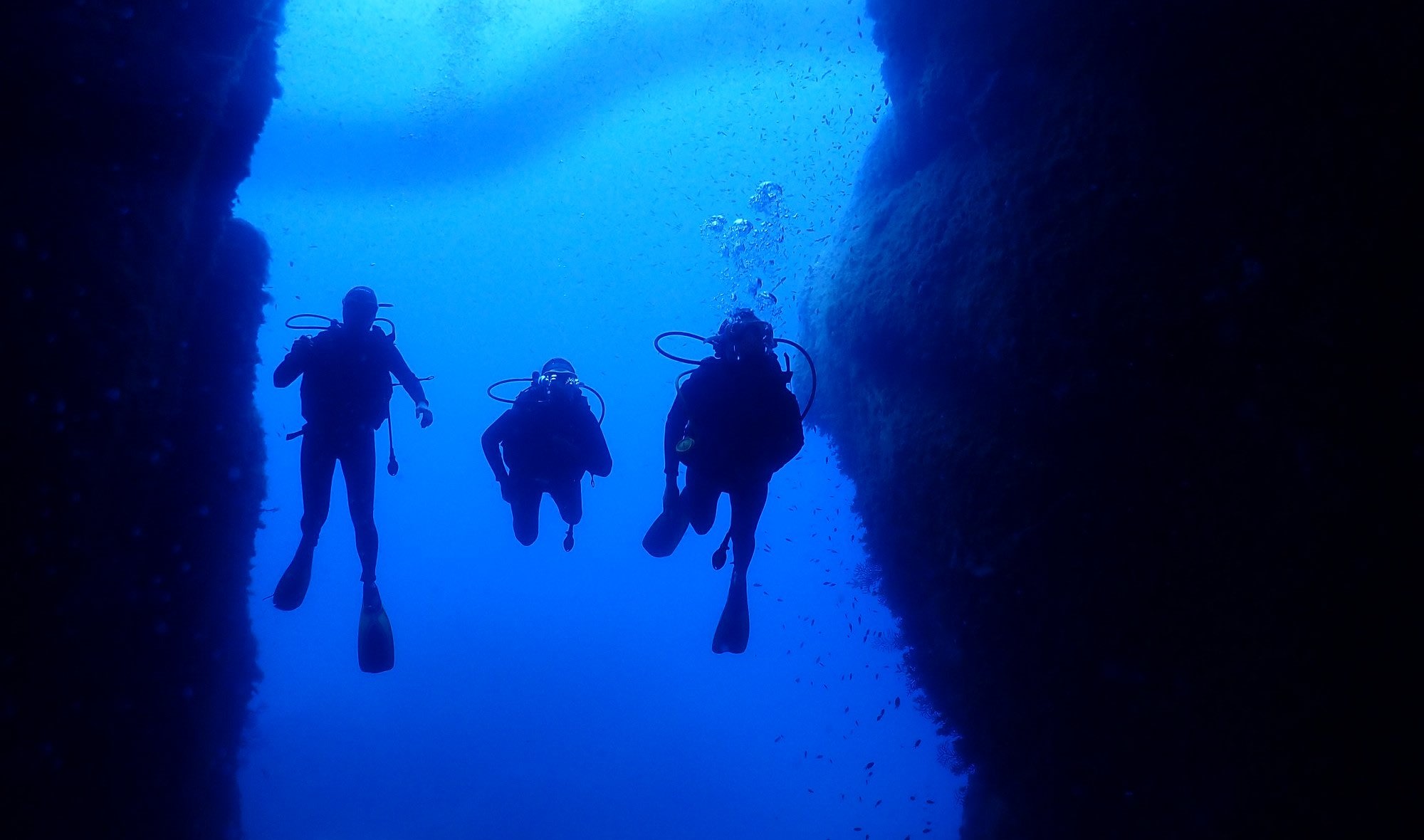
E Ragnole Plongée
Ajaccio offers some of the most diverse diving in Corsica, from shallow tugboats to deep, thrilling caves. The Gulf of Ajaccio is a treasure trove of marine life where you can spot everything from curious octopuses and colorful starfish to powerful predators like tuna.
Here are the best diving spots near Ajaccio and the Sanguinaires Islands:
Beginner-Friendly & Easy Dives
- The Mario Wreck: Resting just 8 meters deep near Stagnola Beach, this 17-meter tugboat is a perfect "first wreck" for beginners. It’s an easy, fascinating dive only 200 meters from the shore.
- Les Sette Nave: Located near Isolella Beach, this site features a plateau at 10 meters. It’s a wonderland of caves and drop-offs where you’ll find starfish, octopus, sea urchins, and large schools of mullet.
- The Tabernacle: Found off the famous Sanguinaires Islands, these calm waters range from 3 to 25 meters deep. It is a fantastic place to hunt for hidden moray eels, conger eels, and barracudas.
Intermediate to Advanced Dives
- La Tête de Mort (Death's Head): Named for its unique rock shapes, this site typically runs between 20 and 30 meters deep. It features a dramatic rocky plateau where you can encounter groupers, tuna, and barracudas.
- La Campanina: This site offers two distinct experiences. Level 1 divers can explore the beautiful drop-offs (up to 40m) teeming with fish. For Level 3 experts, there is a thrilling cave with an entrance at 50 meters deep.
- La Vallée des Mérous (Grouper Valley): As the name suggests, this is the place to see large groupers. This is a deep dive (Level 2 minimum) reaching down to 50 meters.
3 - Calvi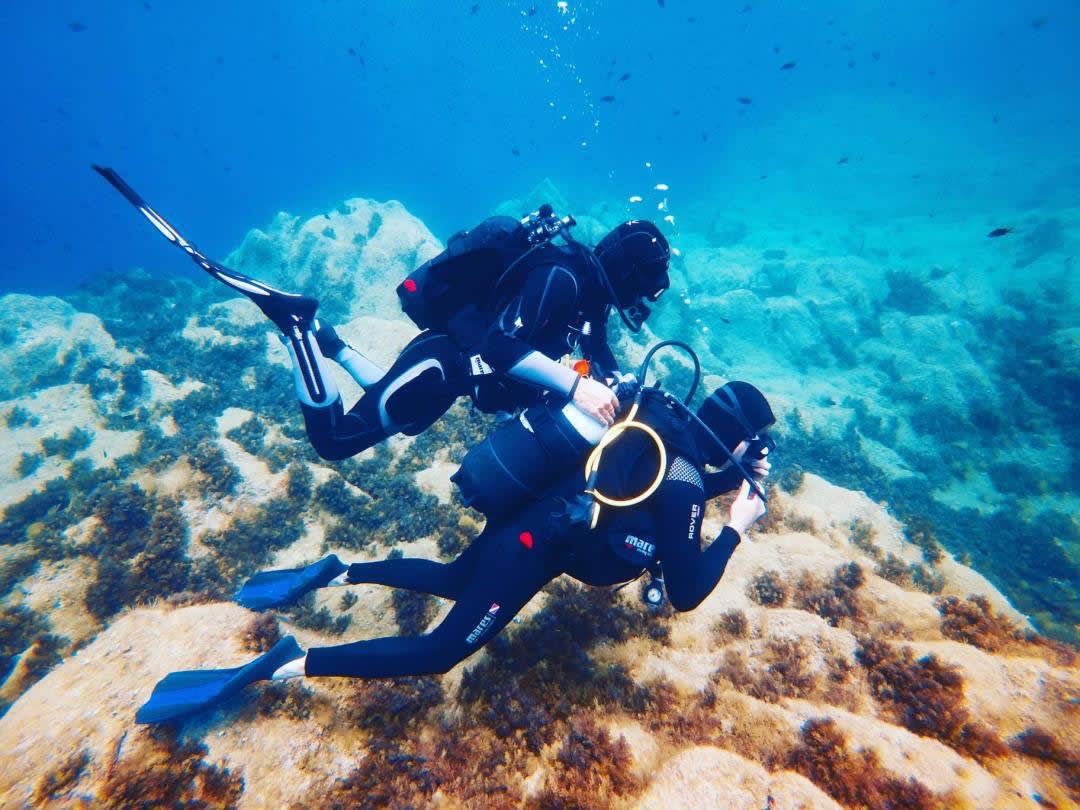
Club de Plongée Hippocampe Calvi
The Balagne region offers some of the most iconic underwater experiences in Northern Corsica. Diving in Calvi is particularly special; between the towering walls of the historic Citadel and the wild Revellata peninsula, the bay provides calm, clear waters. Whether you are taking your first breath underwater or looking for a deep-sea adventure, the Bay of Calvi is the perfect place to explore.
Top Dive Sites in Calvi
- The B-17 Flying Fortress Wreck: This is one of the most famous plane wrecks in the world. In February 1944, this American bomber made an emergency water landing right in front of the Calvi Citadel. Sitting at a depth of 27 meters, the plane is remarkably intact with a massive 31-meter wingspan (though the tail is missing). The "Flying Fortress" is now a metallic reef home to moray eels, scorpionfish, and large lobsters.
- Pointe Revellata: Located at the edge of a protected marine reserve, this is often called the most beautiful spot in Calvi for its fish density and incredible visibility. It’s a gentle slope that is perfect for beginners or a relaxed "check dive." Advanced divers can be dropped at the deeper sections to see rare red corals and vibrant gorgonians before heading back to the shallow plateau.
- Pointe Saint-François: A beautiful mix of rocky caves and rich fauna, offering a very atmospheric dive close to the coast.
4 - Cap Corse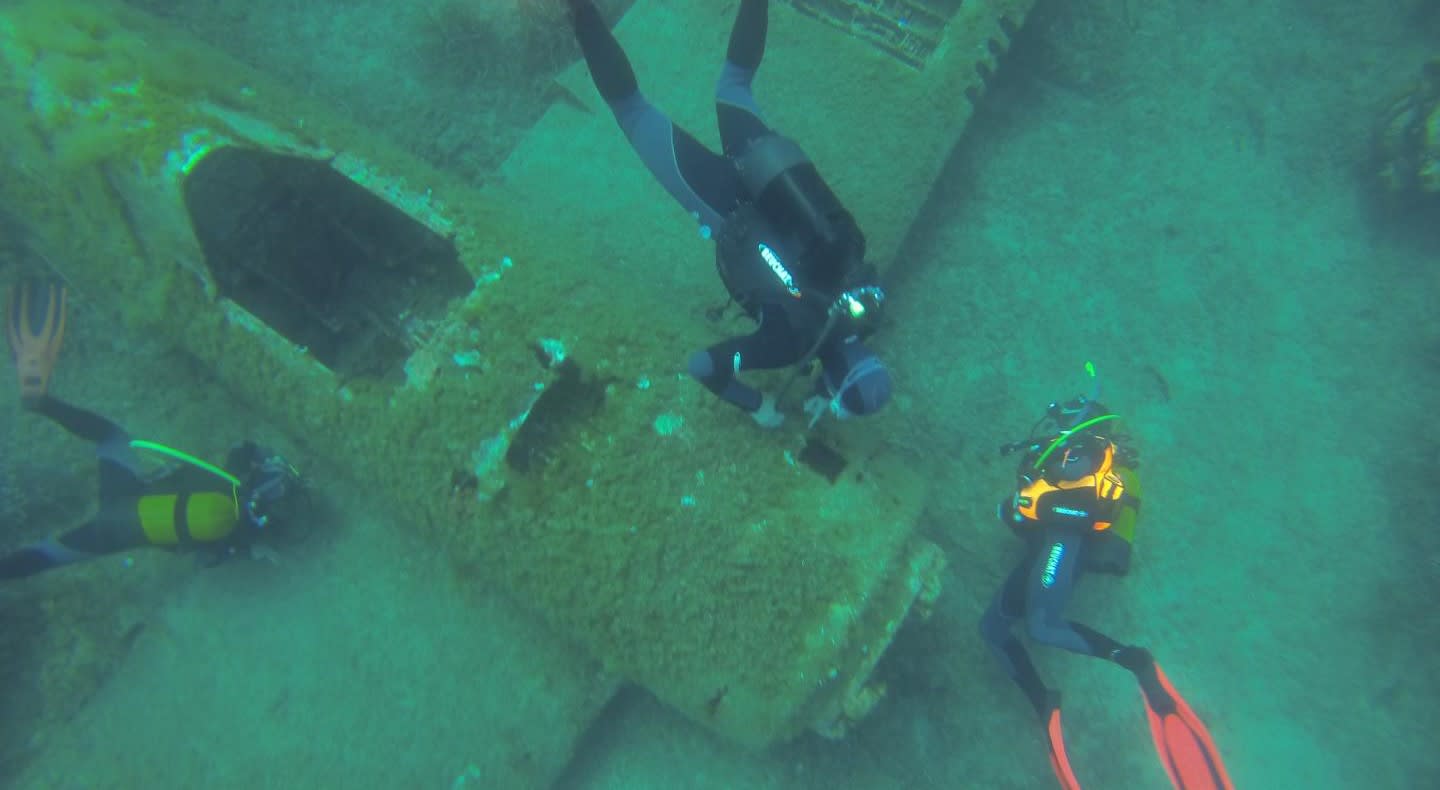
Dollfin Centre Ecole Plongée
Rich in preserved biodiversity, the northern peninsula is a dream destination for those who want to dive in Cap Corse. Starting from the bustling port of Bastia and moving up the coast, you will find a unique mix of shallow history and deep-sea thrills. The waters here are world-famous for their dramatic drop-offs and remarkably preserved World War II relics.
Legendary Dive Sites in Cap Corse
- The P47 of Miomo: This American fighter jet made a water landing off the Miomo cemetery during WWII. It now rests perfectly preserved in a bed of seagrass at a depth of 20 meters. You can see groupers and moray eels guarding the cockpit, and if you look closely, you can find rare mother-of-pearl growing under the wings.
- L’Insuma: This 35-meter yacht was used as a German submarine hunter before being torpedoed in 1943. It sits upright on the sand at 40 meters deep. It is a hauntingly beautiful site where you can still see the deck cannons, propellers, and anchor chains. Keep an eye out for lobsters, forkheads, and the occasional giant sunfish (Mola Mola).
- Cap Sagro: A fantastic site for all levels. It starts as a gentle slope at 2 meters—perfect for a warm-up—before hitting a stunning drop-off filled with colorful sponges and intense marine life.
- The Cirque (Advanced): For those with a PA 60 certification, this series of rocks starts at 38 meters and plunges to 44 meters. It is a prime spot for spotting spider crabs (in season), lobsters, and large groupers in a wild, circular rock formation.
From the haunting shipwrecks of Bastia to the "aquarium" waters of the Cerbicale Islands, it is easy to see why so many travelers choose to scuba dive in Corsica. The island offers a rare mix of history, adrenaline, and preserved natural beauty that stays with you long after you’ve surfaced.
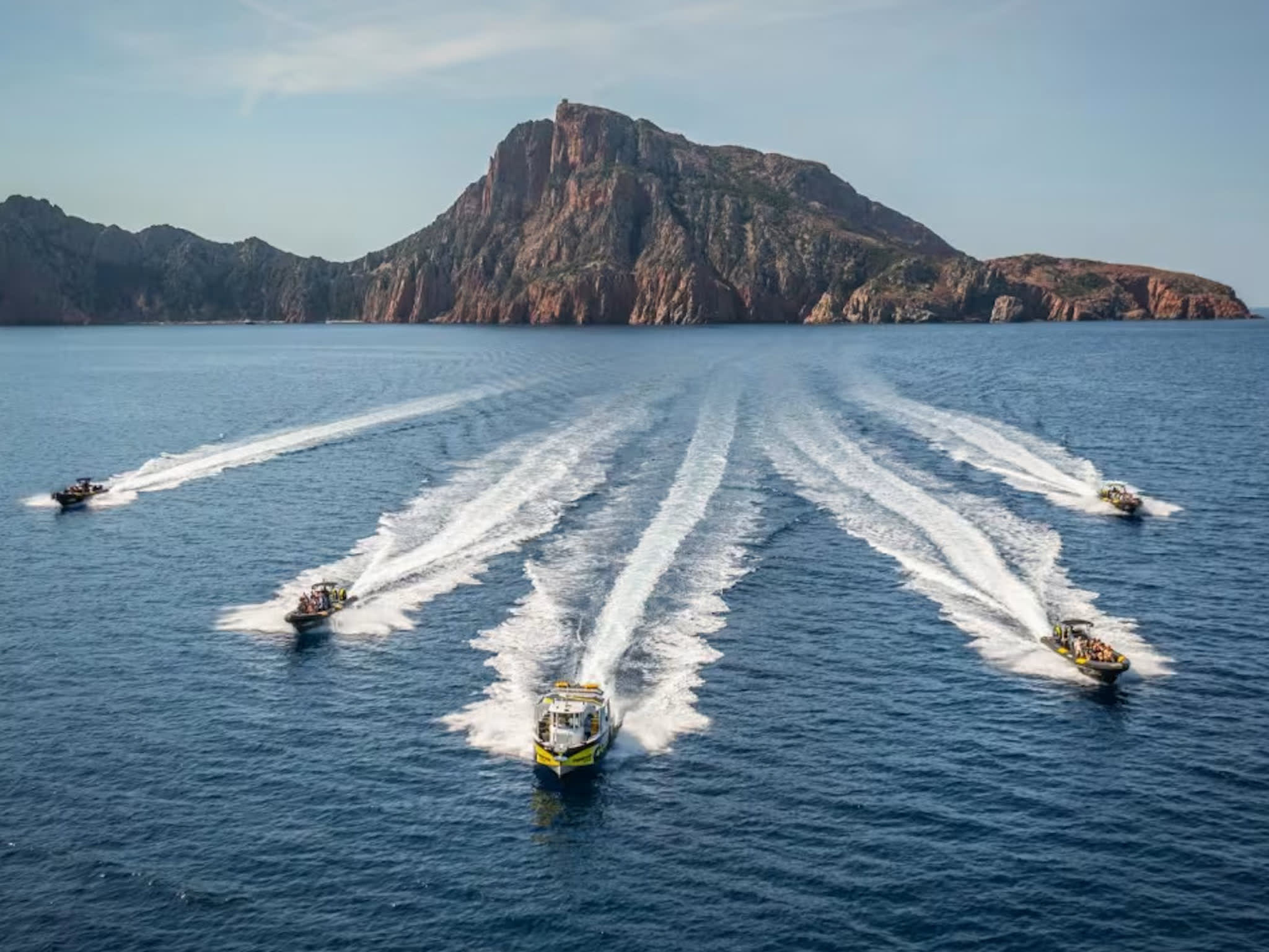
But the adventure doesn't stop at the shoreline! Looking for more adrenaline? Check out The 10 best canyoning spots in Corsica to discover hidden waterfalls and emerald natural pools. If you want to explore the island by boat or foot, read our guide to The Calanques de Piana and the Scandola Reserve to see the dramatic red cliffs and UNESCO-protected landscapes that make Corsica the "Isle of Beauty."