The Best Outdoor Activities in Interlaken, Switzerland
In the heart of Switzerland hides a region which seems to be from another time, nature blossoms in its raw state and creates a tangible paradise for outdoor sports enthusiasts.
Welcome to Manawa, the website for booking outdoor activities around the world. From diving to canyoning, we connect adventure enthusiasts with professional local instructors to guarantee unforgettable experiences.
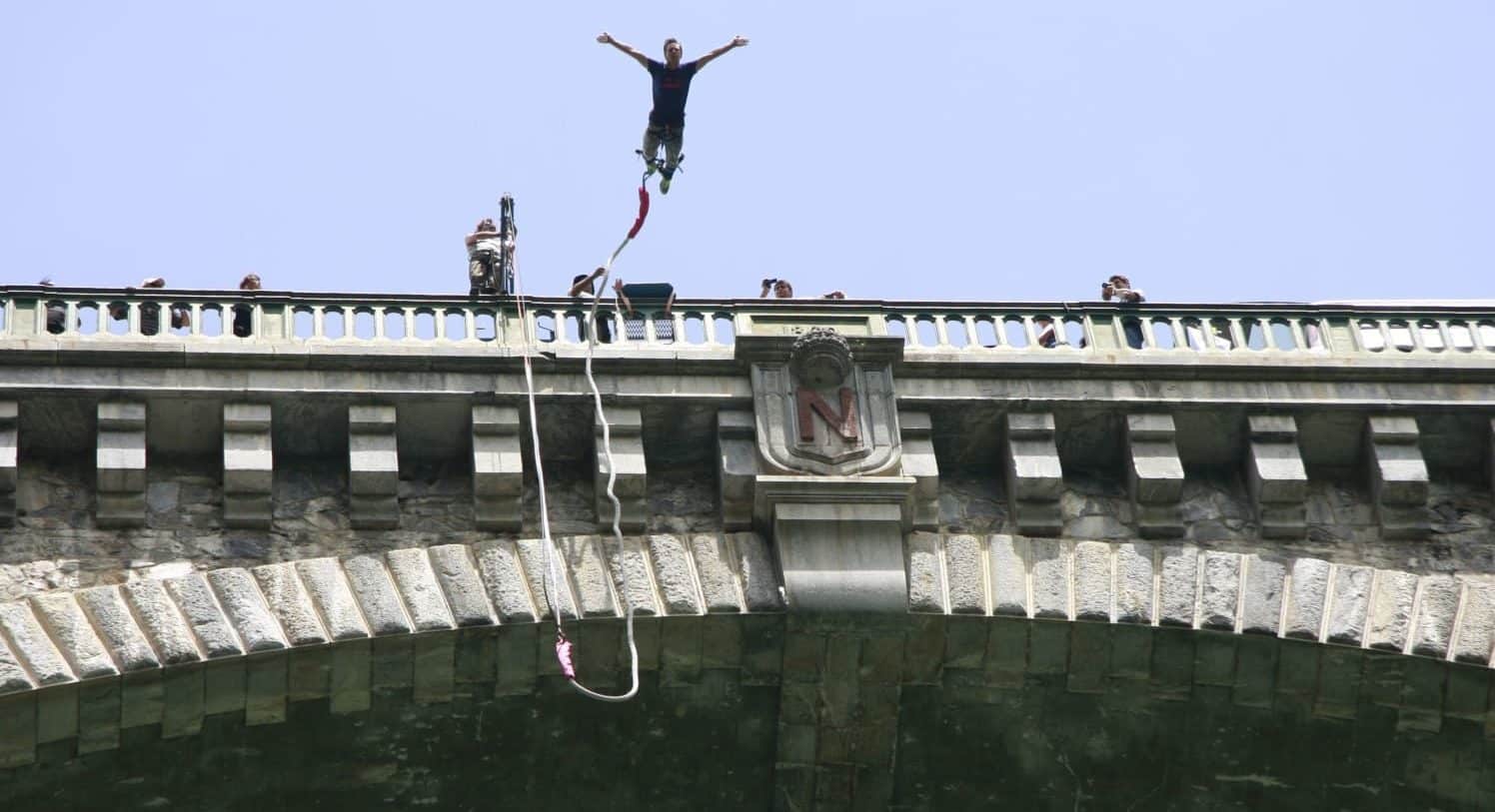
Also known as benji, bungie, bungy jumping or bungee jumping, bungee jumping is, as the name suggests, simply jumping into the void with a bungee cord attached to your ankles or torso. An unusual activity, more or less extreme, but not considered a sport because it does not require any particular physical training or technique. All you have to do is throw yourself over the edge... and make sure you're properly secured before you take the plunge. The rope is used to slow and then stop the fall, and fortunately so, otherwise you'd be crushed at the bottom...

The aim is to get the thrill of free-fall followed by successive ascents. Once you've jumped, you become a veritable human yo-yo, with some great sensations along the way. With the added effects of vertigo due to the height, this activity is a good first step if you want to try skydiving or any other aerial sport. Note that unlike skydiving, this jump into the void from a rope does not require a medical certificate issued by a doctor (except for those aged 55/60 and over, depending on the establishment). The advantage of this modern pastime is that it can be done by anyone, provided they are in good physical condition, have a bit of courage and a good heart. Because once you're at the top, it's best not to think about it, because it'll be too late. However, if you have a heart condition or suffer from back, neck or spinal problems, it's best not to take the risk. Bungy jumping is generally permitted from the age of 15, with parental authorisation for minors. The minimum weight is often 50 kg and the maximum 130 kg. In terms of safety, it's good to know that the equipment is systematically checked to ensure that jumps are carried out without the slightest danger. The safety margin for a jump in relation to the ground is 20 metres, which leaves little chance of you hitting the ground! It should also be noted that the elastic bands are destroyed after 150 jumps (or 6 months), even though it has been proven that they can withstand more than 1,500 jumps.
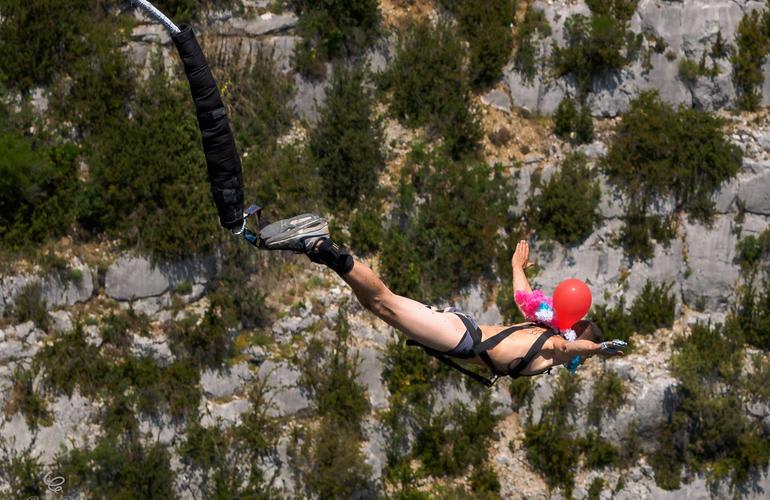
A word of advice: empty your pockets before taking the plunge, because if your mobile falls from up there, it's not attached to a rubber band, and no chewing gum either, because you'll swallow it with the speed of the plunge.
If you're going to take the plunge and take a risk in life, then start with this jump and maybe it'll help you for something else or for a crucial choice to be made. The unpleasant feeling of seeing death in the face is soon replaced by the exhilarating sensation of flying and will leave you with lasting memories that you'll want to share for the rest of your life.
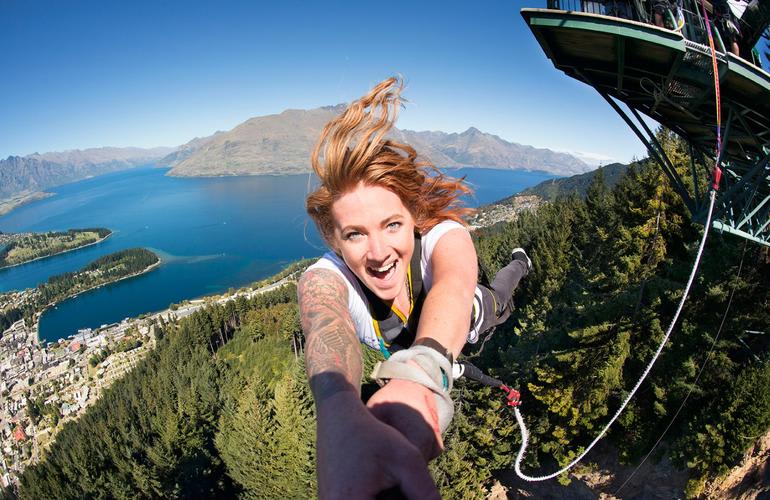
The most important thing is to choose the right spot. The longer the jump, the better, so we advise you to jump from a bridge, a cliff or a crane, but from a good height to fully appreciate the scenery and the sensations. If you're not keen on this activity, start with a fairly short jump, like the Viaduc de Saint Paul Le Jeune in the Ardèche, with a jump of just 37 metres. If you're having a stag or hen party, the Pont de la mariée spot near Nice (France) seems ideal.
And once you've tried it and understood that there's no risk involved, you'll soon be hooked, and you may even want to explore other places. It's also an opportunity to discover majestic landscapes like the Victoria Falls in Africa or Kathmandu in Nepal, for example. And if you've become a bungee jumping enthusiast, you can try the highest jump in the world on the Bloukrans Bridge in South Africa, at no less than 216 metres!
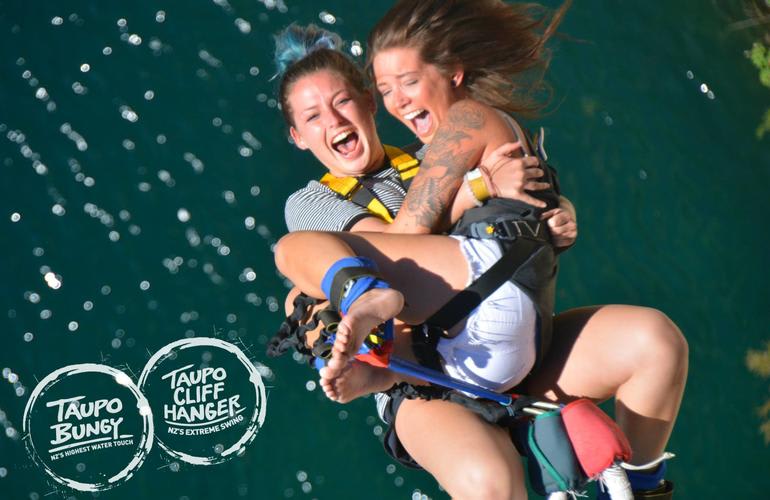
Popularised by New Zealander Alan John Hackett in the 80s (notably with his famous illegal jump from the Eiffel Tower in June 1987), this discipline has continued to evolve and become better known over the years. With a few variations, such as pendulum jumping (also known as rope swing or pendulum jump), which involves jumping off a bridge with two ropes in a staggered pattern to produce a jump in the shape of an oscillating pendulum, it differs from bungee jumping in that its trajectory is partly semi-circular, rather than purely vertical. There's also the swingline, which consists of jumping from a slackline, and many other activities, such as bungee jumping from a springboard using a sledge, skis, bike or running... In short, there are many ways to get into the air with this original activity if you're not afraid of the cold!
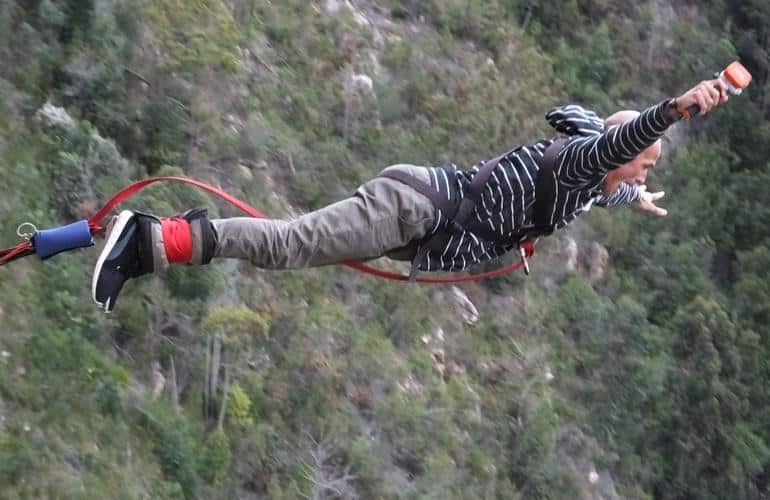
And as a bonus, a photo of Kelly Slater taking the plunge off the Bloukrans Bridge in South Africa.

Driven by a genuine passion for adventure, I love sharing my discoveries and passing on my tips with simplicity and enthusiasm. My goal: to inspire you, guide you, and spark your desire to experience your own unforgettable outdoor moments.
In the heart of Switzerland hides a region which seems to be from another time, nature blossoms in its raw state and creates a tangible paradise for outdoor sports enthusiasts.
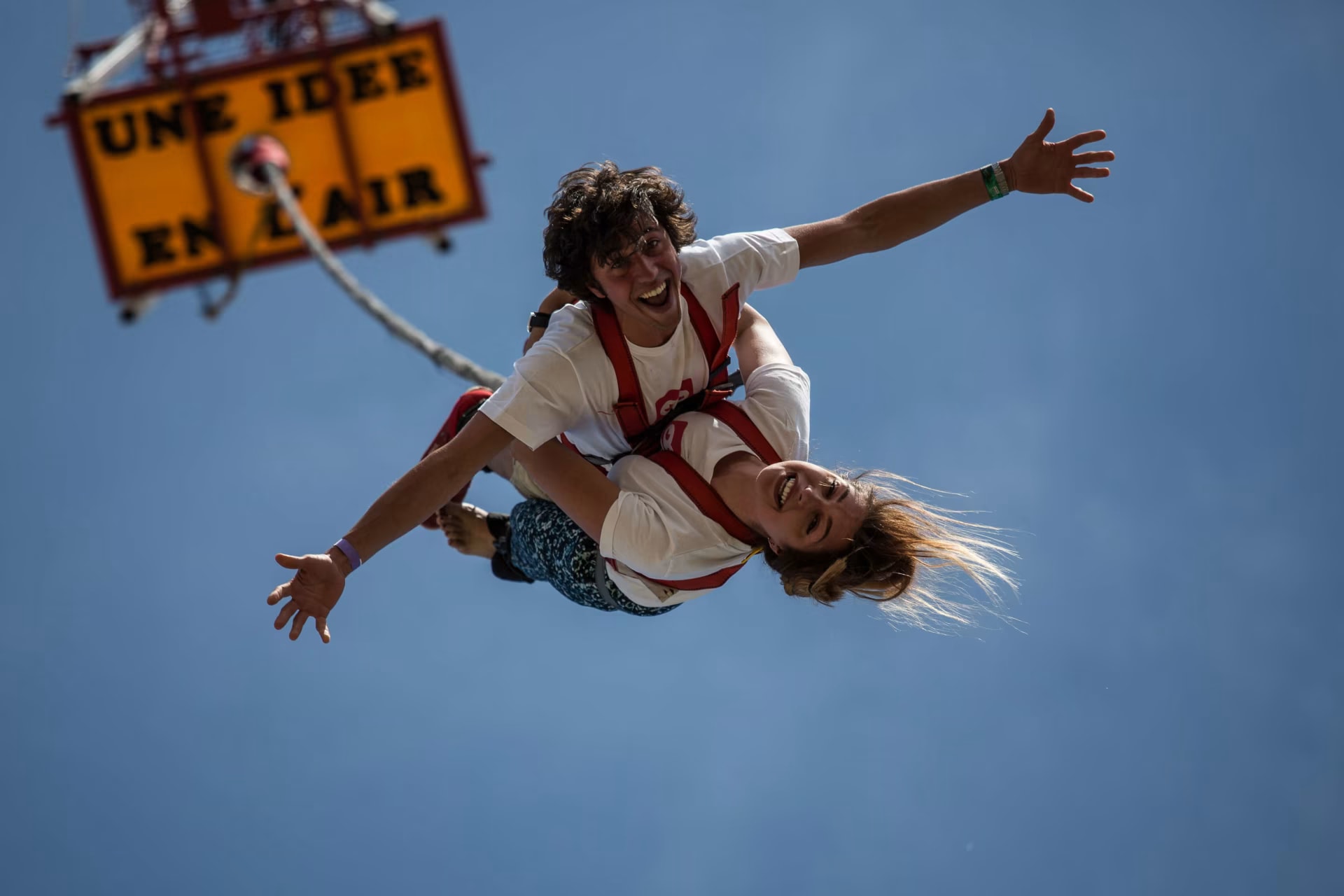
From skydiving to shark diving, discover adrenalin-pumping thrill activities to do for couples.
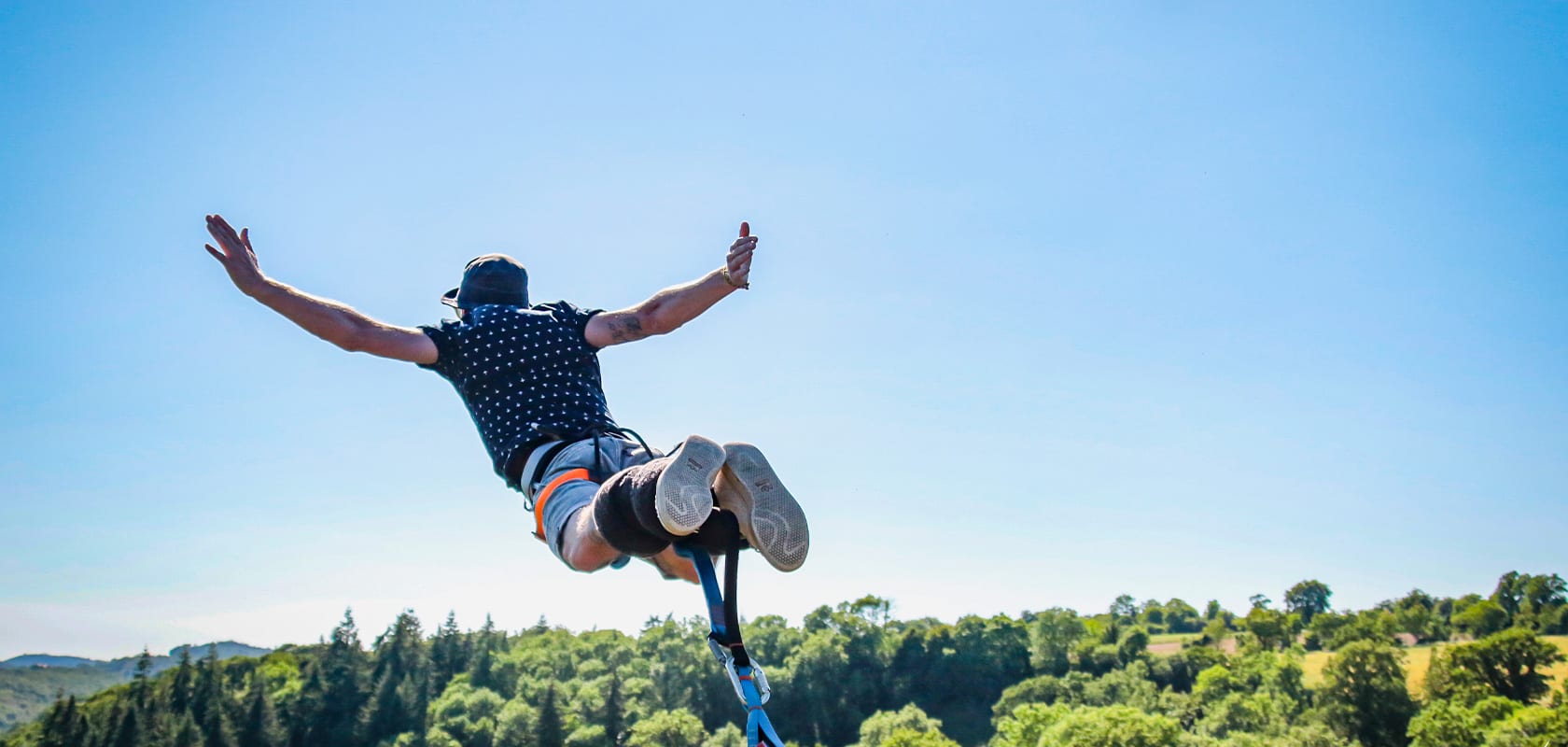
Discover France’s most breathtaking bungee jumps, from the towering 182 meter Pont de l’Artuby in the Verdon Gorge to historic viaducts in Normandy and the Pyrenees.
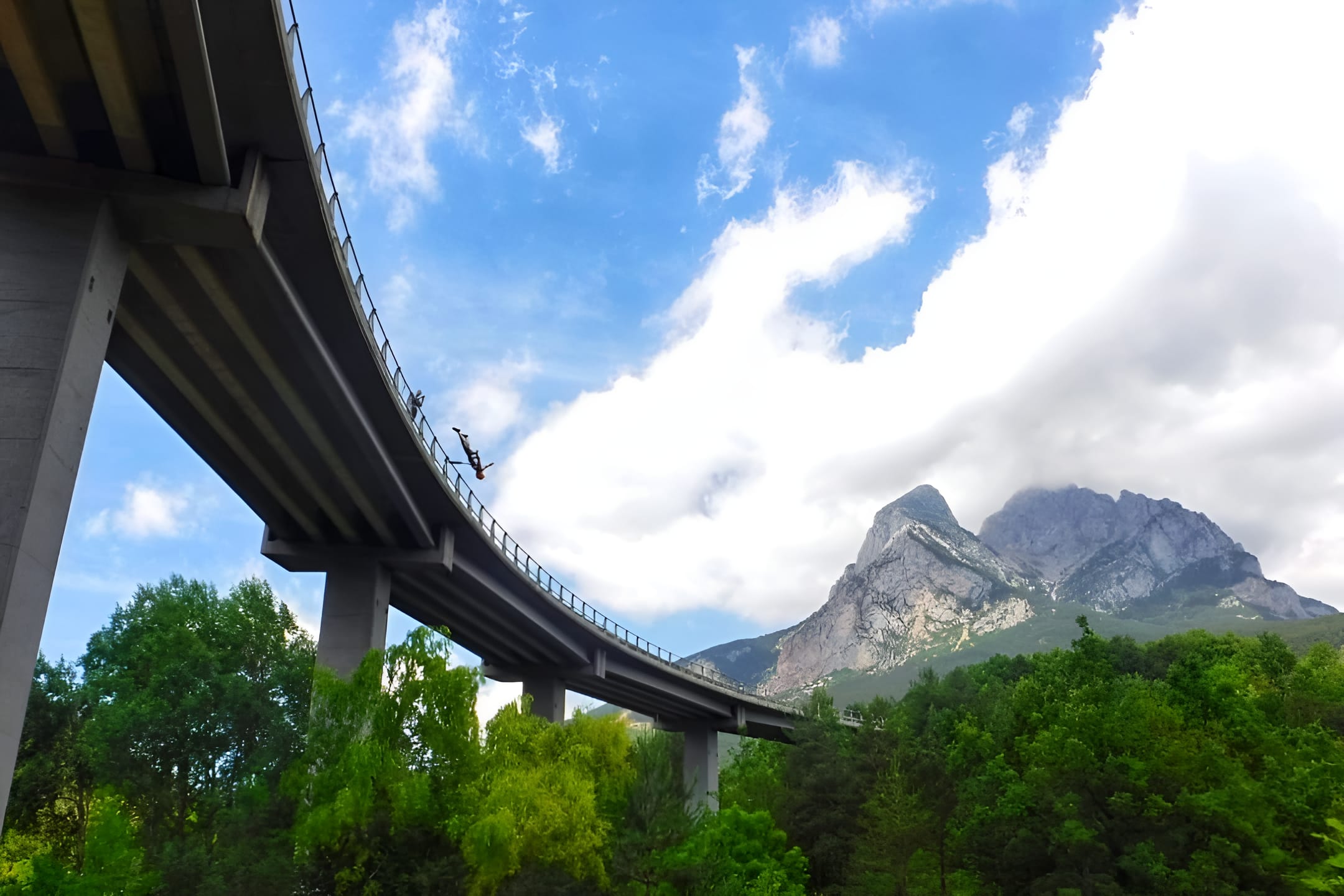
Discover the 10 best places for bungee jumping in Spain: unforgettable jumps over rivers, ravines and cliffs that will fill you with emotion and freedom.
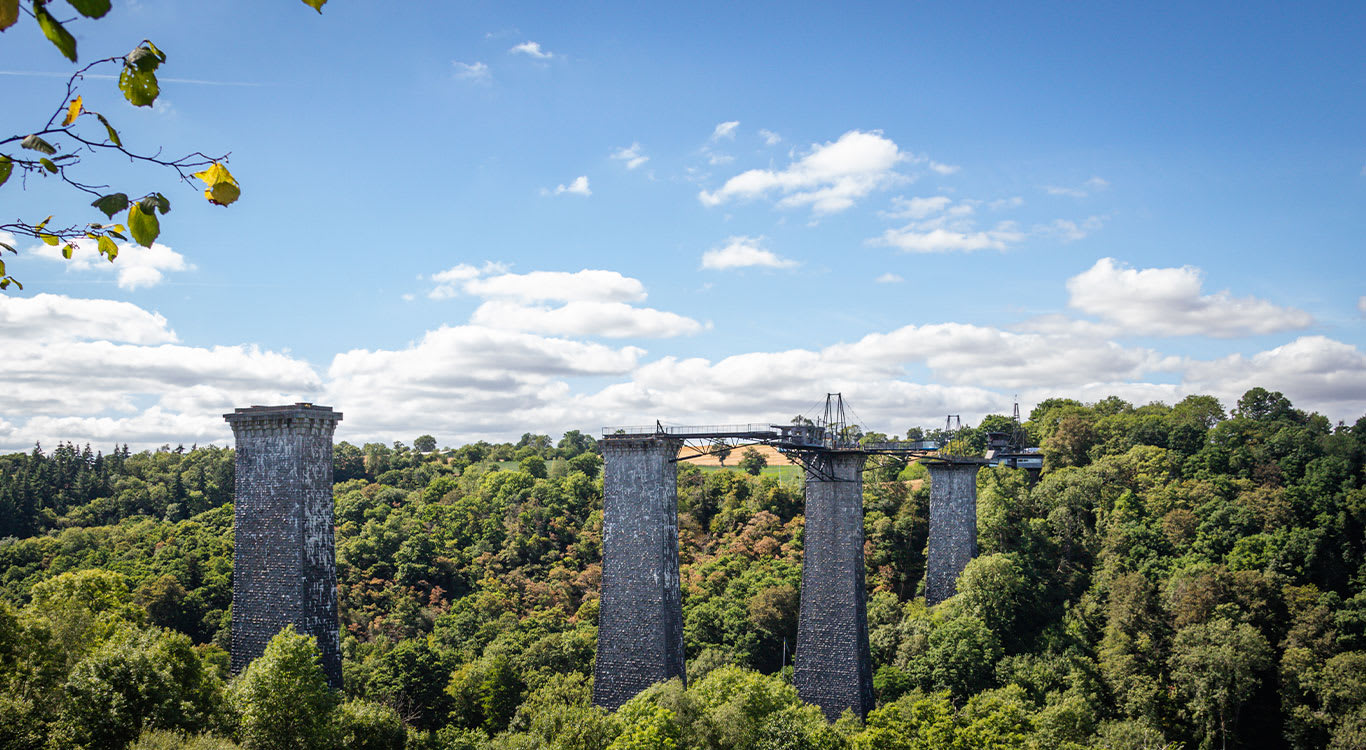
Ready to Take the Leap? In this Complete Guide to Bungee Jumping in Normandy, discover all you need to know before doing your first jump!
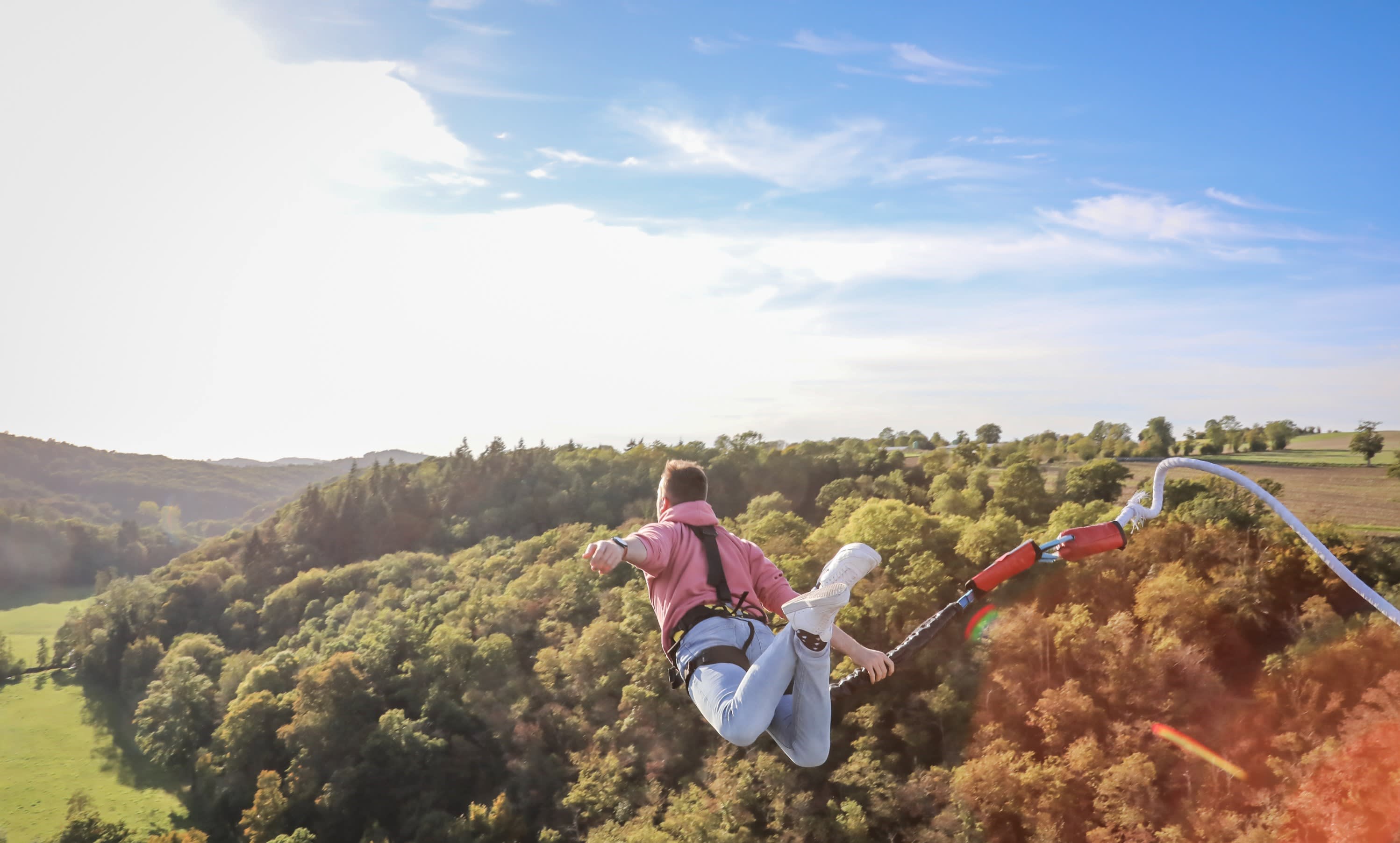
Discover the best bungee jumps in France to push your limits: from Normandy to the Ardèche...