Paragliding
Recommended
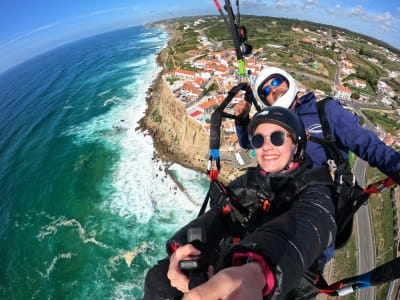
Tandem Paragliding over Lisbon
(31)
Organized by Espiral
Carcavelos, Portugal
40 min
From€70
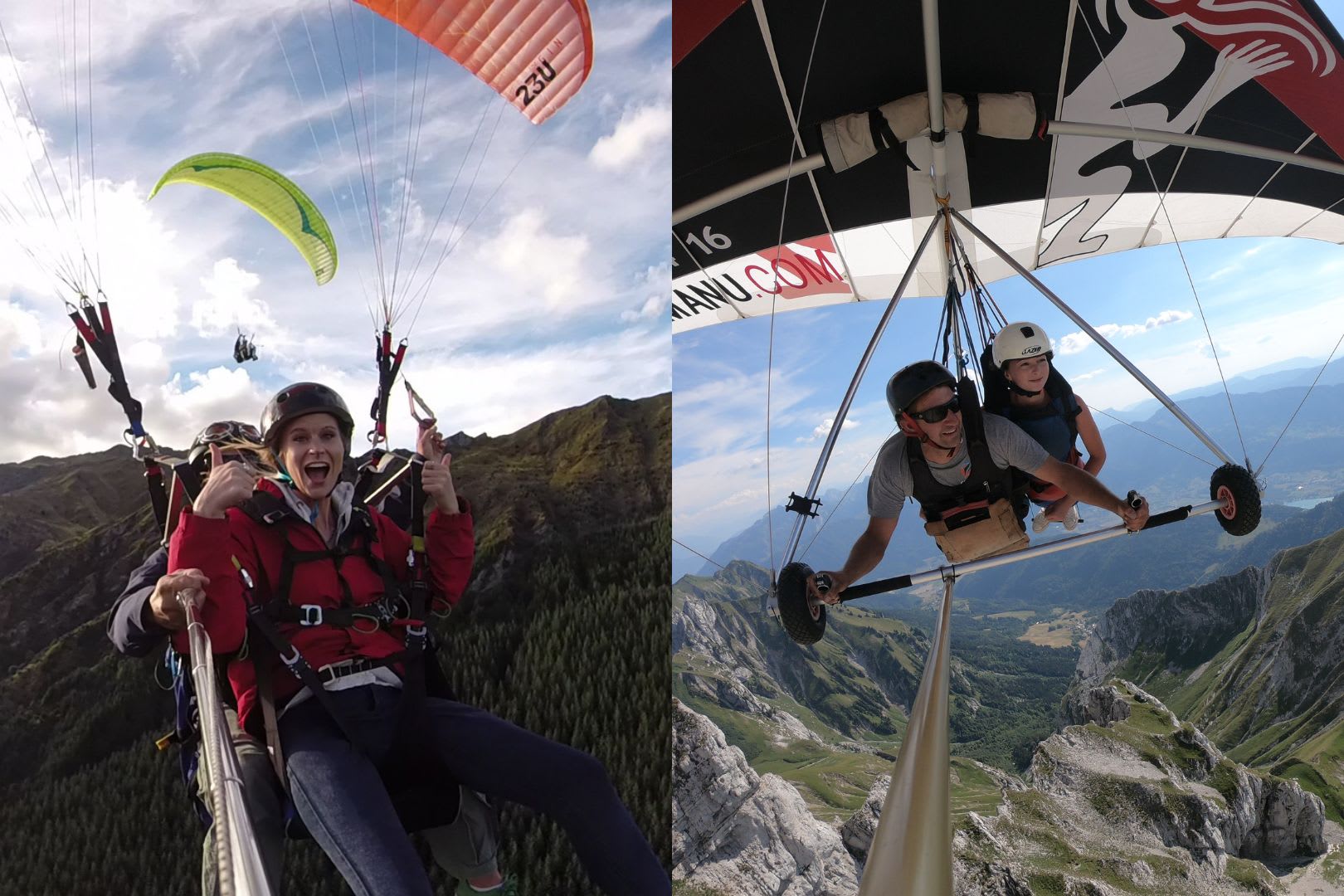
In the realm of aerial sports, where adventure meets the boundless sky, two distinct activities stand out: paragliding and hang gliding. Both offer exhilarating experiences that defy gravity and provide unmatched perspectives of the world below. As individuals seek adventure and thrill in the great outdoors, understanding the nuances between paragliding and hang gliding becomes essential.
Welcome to Manawa, the website for booking outdoor activities around the world. From diving to canyoning, we connect adventure enthusiasts with professional local instructors to guarantee unforgettable experiences.
Have you ever wondered what the difference between paragliding and hang gliding is? At first glance, they seem very similar. It’s true that these two sports have several things in common: they are both motor-free and require air and wind to be able to fly. There are, however, significant differences in equipment, techniques, and overall experience.
After reading this article, you will be able to decide whether paragliding is right for you or whether hang gliding is (and ideally, you could try both!).
Paragliding is a recreational air sport, emerged in the early 1980s, in which a pilot flies a lightweight, non-motorised fabric wing. The wing has no rigid structure and keeps its shape through air pressure and airflow. The pilot sits in a harness suspended below the wing and launches by running off a slope or elevated ground. Direction is controlled by pulling brake lines attached to the canopy. Pilots can stay airborne for long periods by using rising air currents.
Unlike many other aerial sports, paragliding requires no special runway for takeoff or landing, making it relatively accessible. It is essentially a form of small aircraft flight that relies entirely on gravity, wind, and thermals for lift and movement.
Hang gliding is a recreational air sport in which a pilot flies a non-motorised, fixed-wing aircraft built from an aluminium alloy or composite frame covered in fabric. The structure forms a rigid wing, and the pilot lies or hangs in a suspended harness beneath it. Control is achieved mainly by shifting body weight against a control bar, which changes the glider’s direction and speed. Hang gliders are usually launched from hills, cliffs, or other elevated sites and require proper airflow for safe takeoff. Once in the air, pilots can use thermals and ridge lift to gain altitude and stay aloft for long durations, sometimes covering very long cross-country distances or performing advanced manoeuvres depending on skill and conditions.
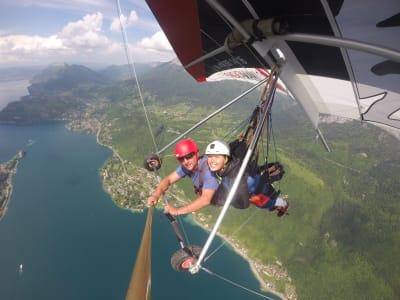
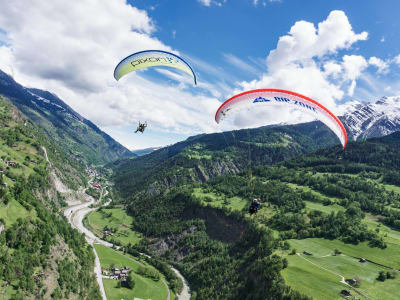
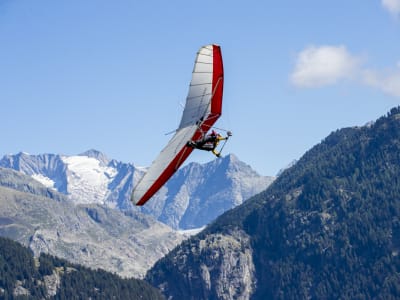
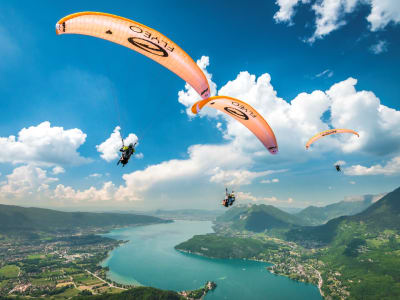
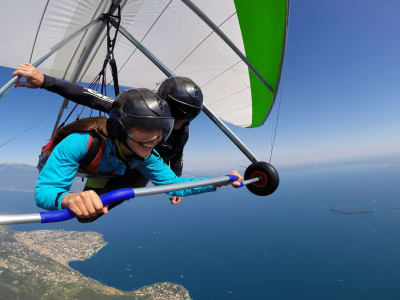

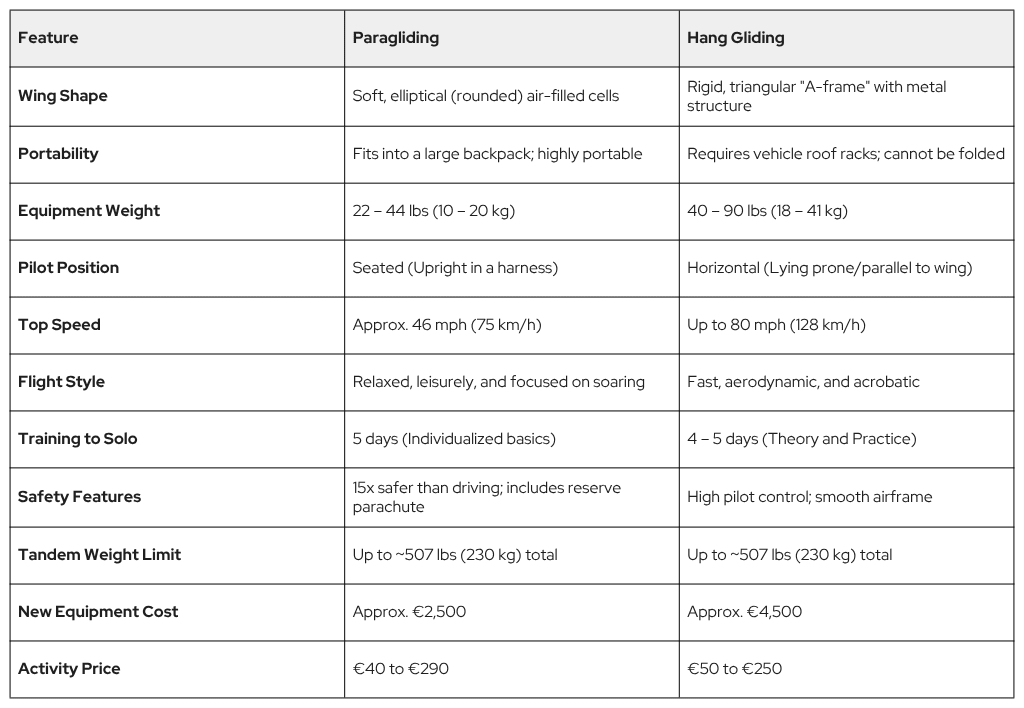
The most significant visual difference between hang gliding and paragliding is the shape and structure of the wing. While both allow you to soar, their designs serve very different aerodynamic purposes.
The hang glider is defined by its rigid, triangular shape. Unlike a soft wing, it uses a solid metal airframe—typically made of aluminium — to support a heavy synthetic sailcloth. This "A-frame" structure allows the wing to maintain a fixed, sharp profile, which provides superior aerodynamics and allows for much higher flight speeds.
In contrast, a paraglider features a rounded, elliptical wing that lacks any internal metal frame. Instead of a rigid structure, it consists of two layers of fabric (nylon or polyester) that form "cells." These cells inflate with air to create a curved shape. While it resembles a parachute, the paraglider wing is much more rigid and efficient, designed specifically for catching thermals and slow, controlled soaring.
When comparing these two aircraft, size and weight are the most significant practical factors for a pilot. These differences determine how you transport your gear and how much effort it takes to reach the launch site.
The most striking difference is how the equipment is packed. Paragliders are the ultimate choice for portability; the entire wing and harness can be folded down to fit into a standard large backpack. This makes them ideal for "hike-and-fly" enthusiasts. Hang gliders, however, are far less compact. Because of their rigid metallic airframe, they cannot be folded. To transport a hang glider, pilots must secure the long, narrow structure to specialized roof racks on their vehicles.
There is also a significant gap in the physical weight of the gear:
Despite differences in equipment, both hang gliding and paragliding have similar weight limits when flown in tandem. A tandem paraglider can typically support up to 507 lbs (230 kg) in total, including both the passenger and the instructor, meaning the passenger’s weight is usually limited to around 242 lbs (110 kg), depending on the instructor’s weight, weather conditions, and physical factors. Hang gliding follows a similar range, with limits also influenced by wind conditions, equipment setup, and instructor guidelines.
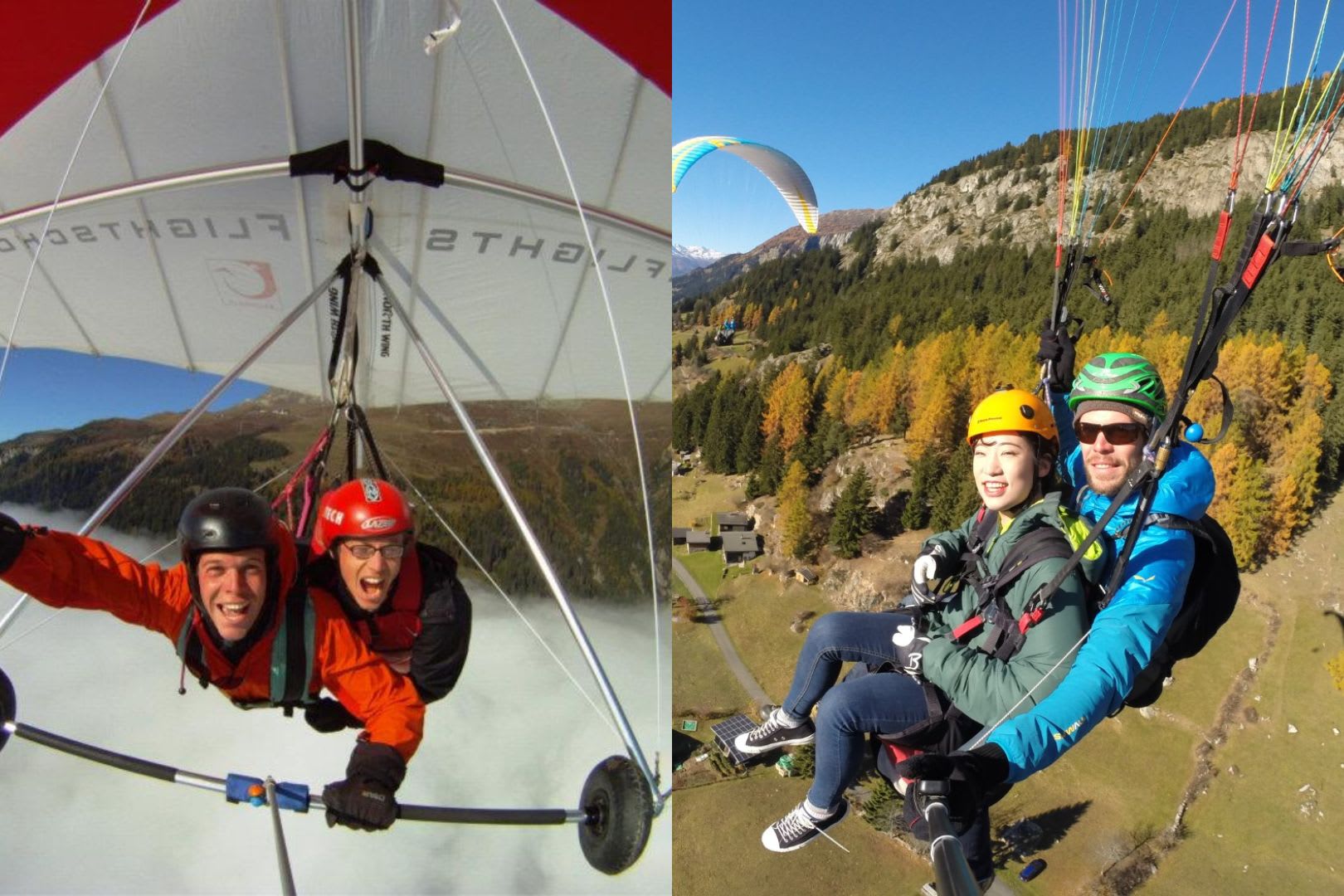
If you choose the hang gliding, you will fly in a horizontal position, the pilot is lying horizontally, parallel to the wing. This special position allows the pilot to control the direction using only their body. Due to the position you have on a hang glider, you will be able to have longer flight times, but it needs a wind of at least 40 km/h.
While paragliding, you will be sitting upright in a harness, as if you were on a chair. This can be more or less comfortable, depending on your paraglide (tandem paragliding being the most comfortable one). To control the paraglide, you will be using your hands to pull (gently) on the commands. Concerning the speed, you only need a wind of at least 20 km/h to take off.
When comparing flight performance, the design differences between these two crafts become very clear. The hang glider is designed for high-performance flight. Its rigid airframe and streamlined, horizontal pilot position allow it to reach speeds of up to 80 mph (128 km/h). This sturdy structure also makes it ideal for aerial acrobatics, as it can easily handle the G-forces required for loops and rolls.
Paragliding, on the other hand, offers a more leisurely experience. Because of the drag created by the seated pilot and soft wing, it reaches a lower top speed of roughly 46 mph (75 km/h). While perfect for peaceful soaring, the paraglider is less suited for intense stunts and is generally considered a more relaxed flight style.
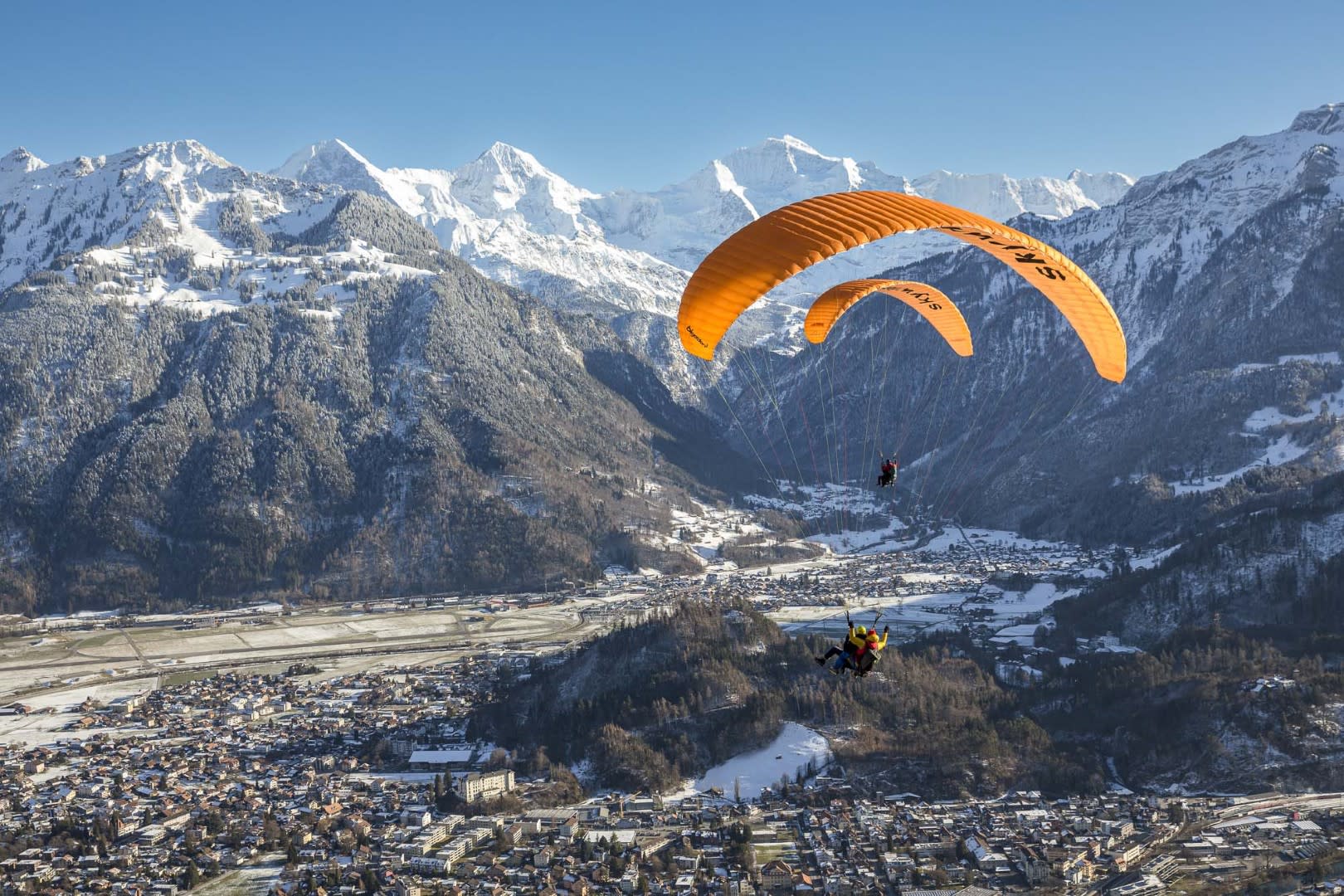
If you want to take to the skies and fly like a bird, both sports offer quick paths to solo flight. For paragliding, you can take an initiation training course, such as those in Annecy, which provides individualized teaching on the basics. After this five-day course, you will be ready for your first solo flights.
Hang gliding follows a similar timeline, allowing for a solo flight after only 4-5 days of training. For example, in England, the BHPA Elementary Pilot course covers both theory and practice over a 5-day period to get you started. Regardless of which sport you choose, the necessary equipment and clothing are fully provided.
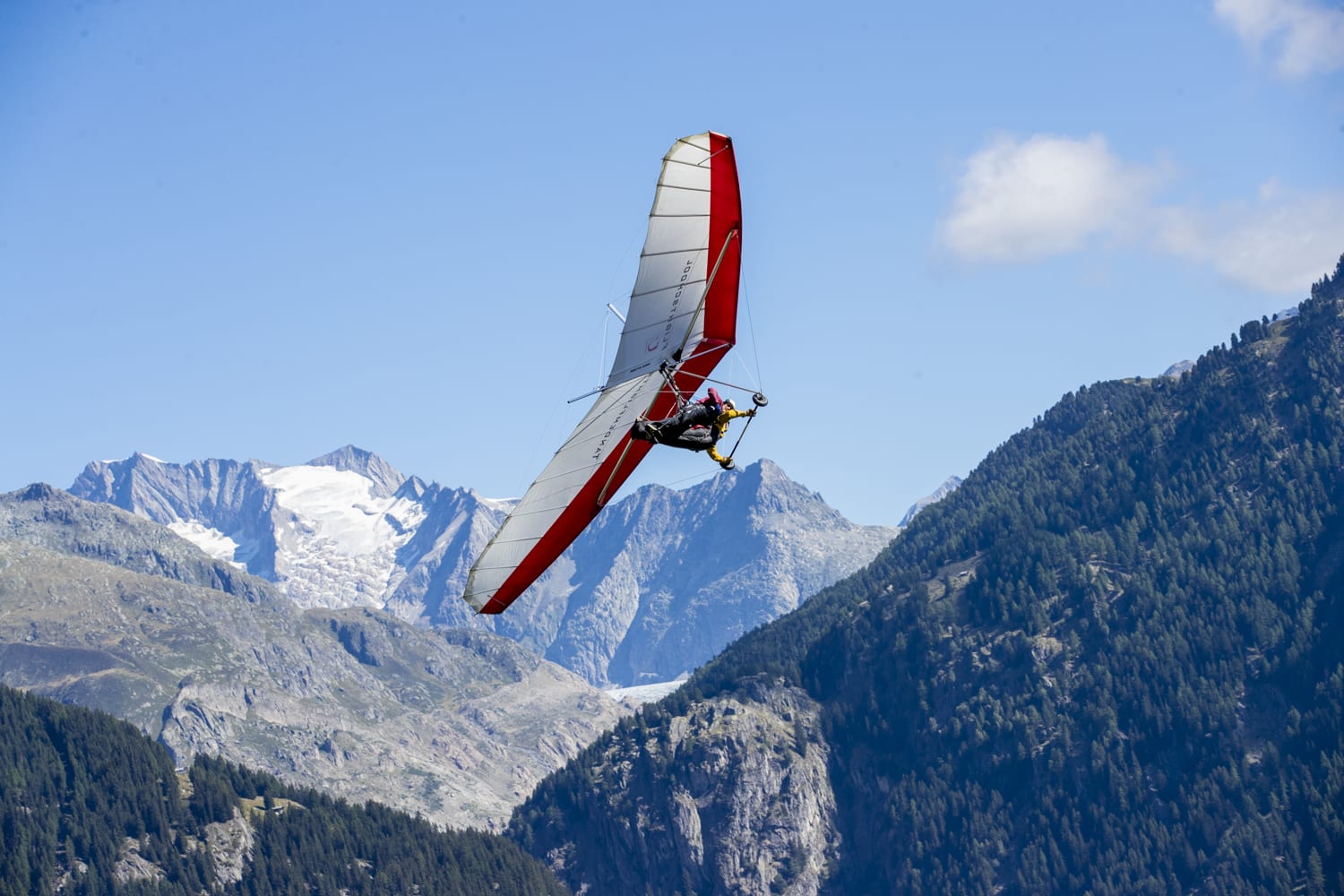
Once in the air, most people find the experience far more thrilling than terrifying, often feeling surprisingly comfortable and eager to fly again immediately after landing. Hang gliding offers an incredibly smooth ride with high pilot control, allowing for impressive maneuvers upon request, while paragliding is remarkably safe — statistically 15 times safer than driving and comparable to hiking or running. While the rare accidents in hang gliding are typically linked to high speeds, paragliding incidents are more often related to a lack of thermal winds. Besides, paragliding provides extra protection through a mandatory reserve parachute. In both sports, especially during tandem flights, highly skilled instructors utilize their extensive knowledge to minimize risks and ensure a secure, smooth experience for every passenger.
Individual equipment: There is an important difference between the prices of a paraglider and a hang glide when it comes to comparing their kite prices. Hang gliding kites are more expensive, their wings cost around €4500. And for paraglides, the wing costs an average of €2500.
Activity: But if you’re not looking to buy the gliders, you will find many flying schools that allow you to try these sports at a lower cost. A hang gliding kite activity will cost from €50 to €250 depending on the length of the flight and the location. But if you would rather paraglide, then it will cost you from €40 to about €290.
Looking for a spot where you can try hang gliding and paragliding? There are some great locations to experience both sports.
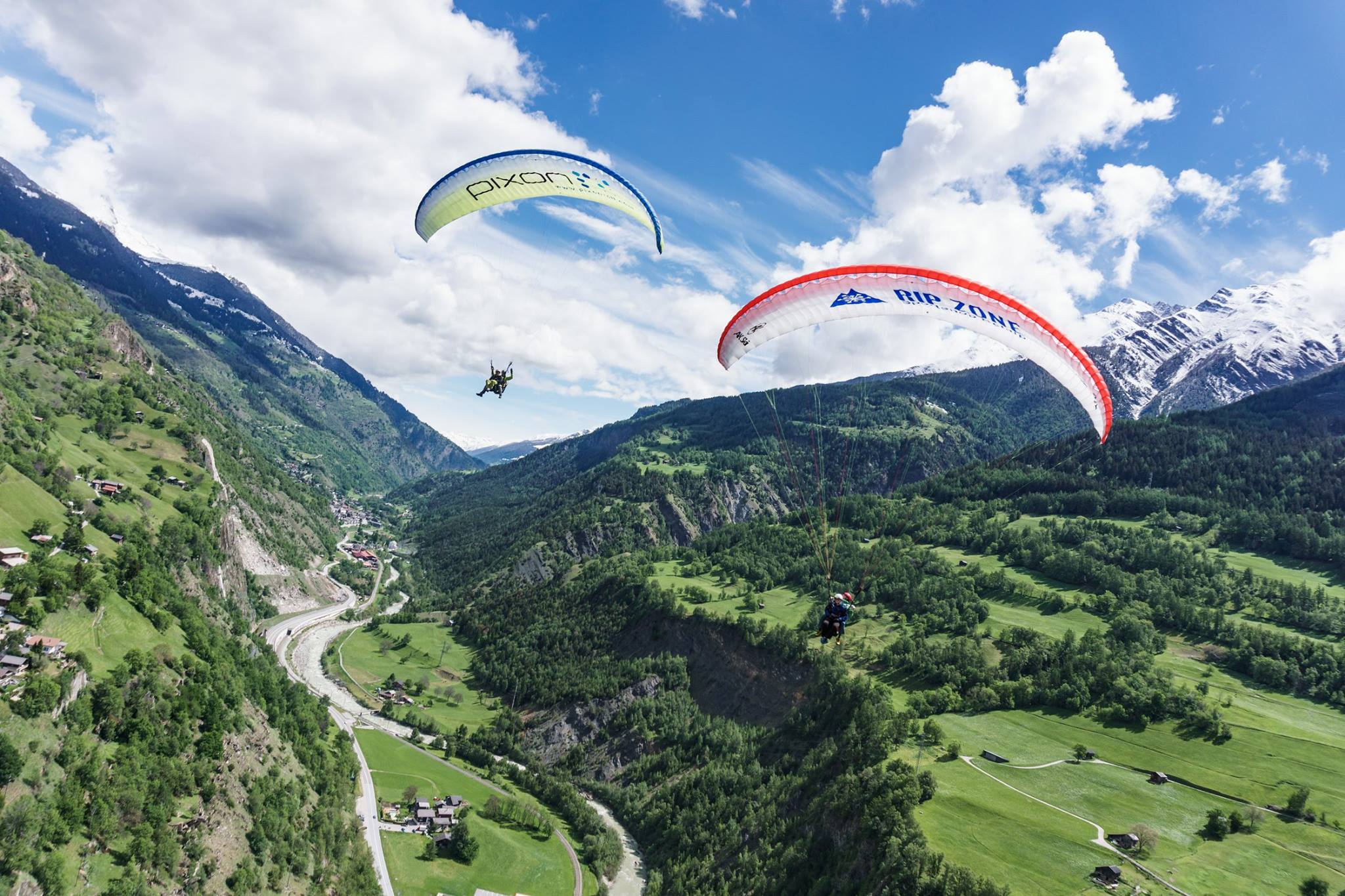
Because of the favorable winds and thermals in the Aletsch region, you will be able to soar higher into the sky for extended periods of time. A tandem flight from Belalp will give you an amazing view of the Matterhorn as well as the Aletsch glacier and the Simplon as you soar further down the valley! Finally landing at Bitsch, close to Brig, you will have flown over the Massa Gorge.
Whether you choose hang gliding in Brig or paragliding, you will have the opportunity to opt for different types of flights. Concerning the paragliding experience in Brig, you can choose from 15 minute discovery flight to deluxe flight. In both cases, plan on a 2-hour fun time adventure.
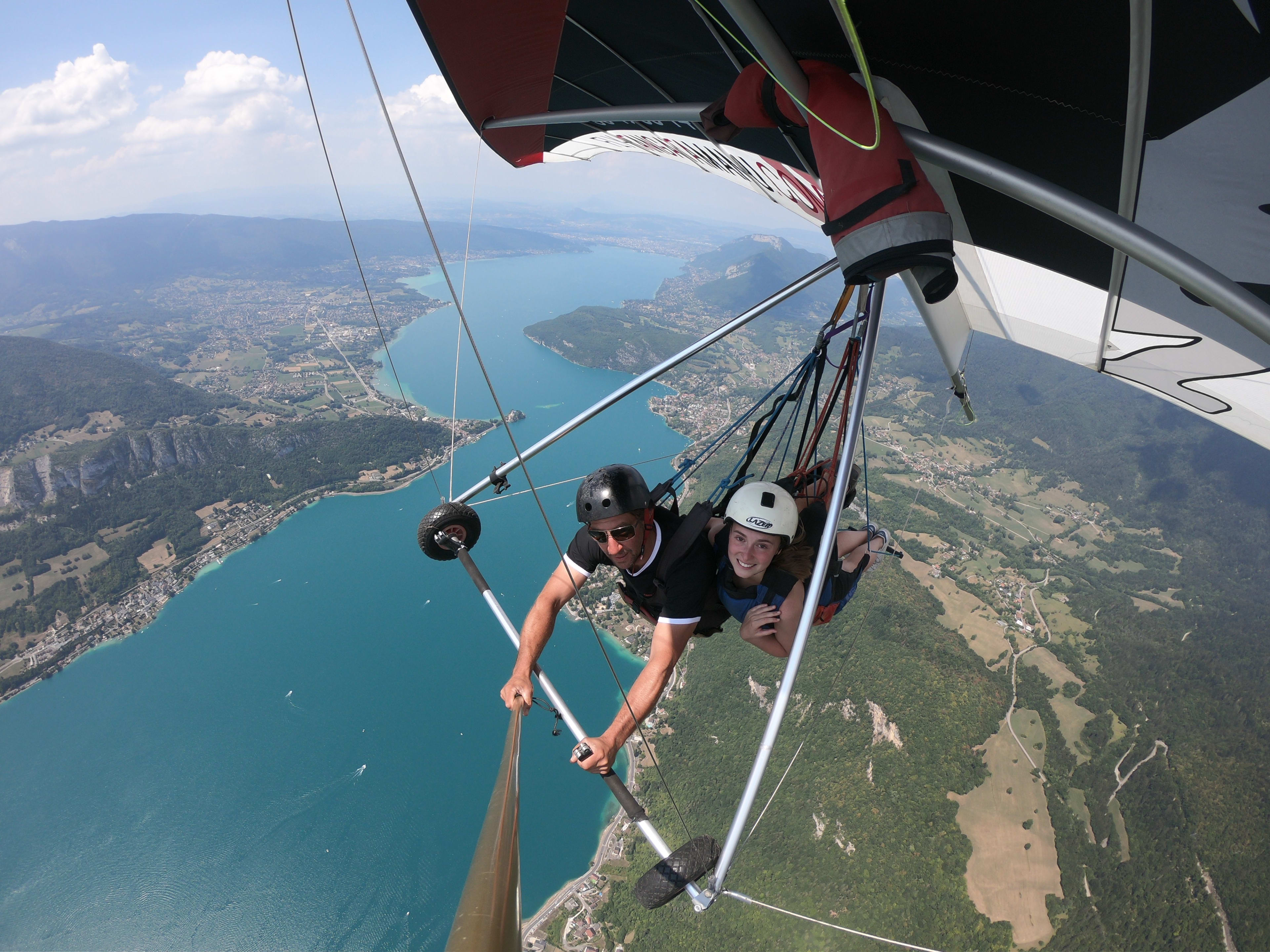
Discover the Annecy Lake from a different perspective and admire the surrounding mountains, such as Semnoz and La Tournette, from the air. From the hang glider, enjoy exceptional panoramic views during a silent flight that lets you blend in with the scenery of Haute-Savoie with just the right dose of adrenaline! You'll be lying down, which makes the experience much closer to that of flying a bird. Of course, the duration of the hang gliding flight in Annecy will also depend on the day's weather conditions, your weight and the flight package you choose. The flight can last from 10 to 40 minutes.
If you choose the paragliding in Annecy, you can select between the discovery flight (10 to 20 minutes),the up-draft flight (20 to 30 minutes) and the prestige flight (30 to 40 minutes).
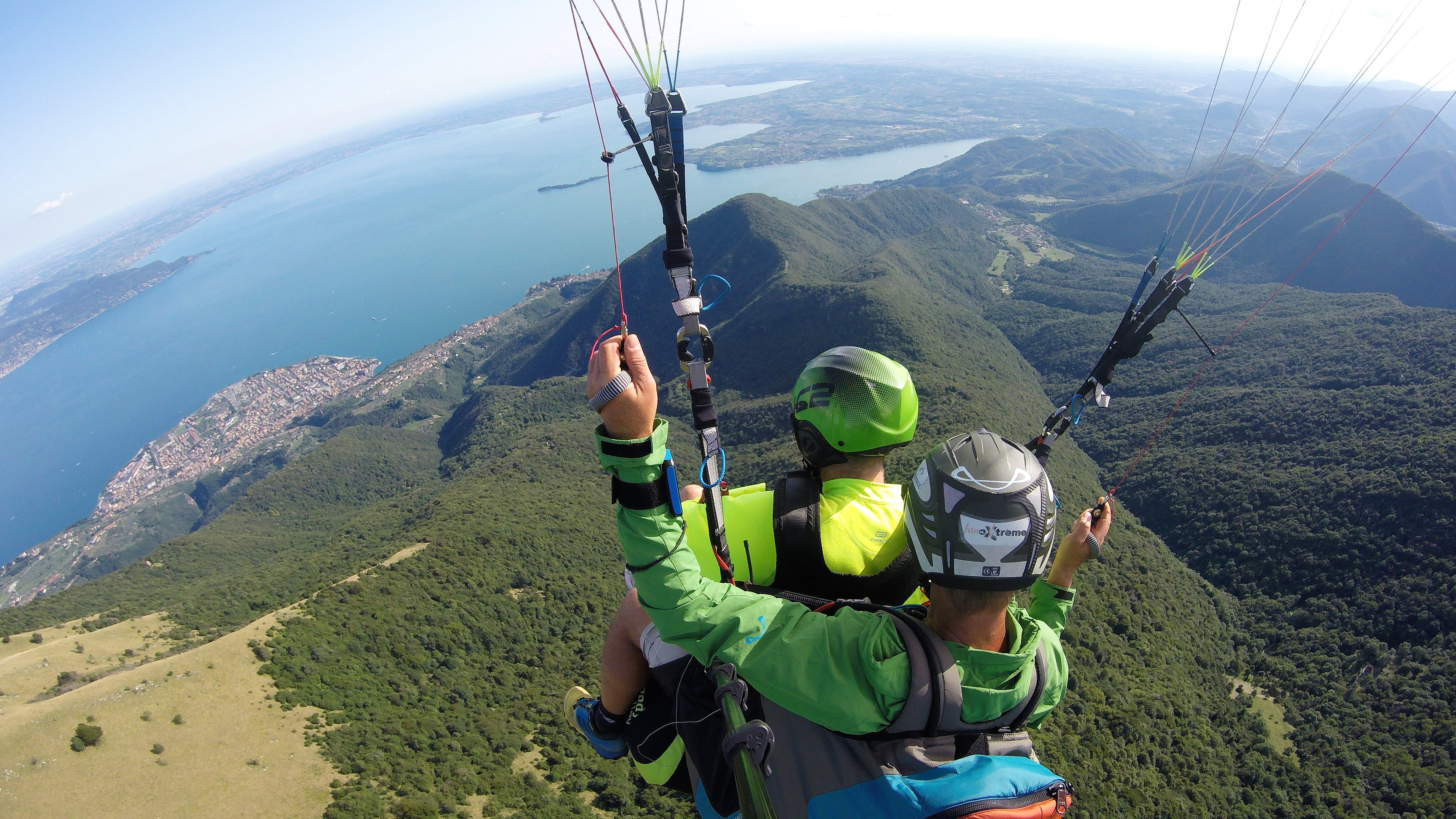
Take to the skies of Italy and soar like a bird. Lake Garda is one of the best locations in Europe to experience both air sports, offering spectacular views and reliable flying conditions. You can enjoy a tandem paragliding flight over Lake Garda, where gentle takeoffs and steady winds make for a smooth and scenic ride above the lake. For a more dynamic experience, a hang gliding flight over Lake Garda lets you soar along the mountain ridges and take in breathtaking panoramic views. With experienced instructors and ideal terrain, the area is perfect for trying both activities safely while enjoying unforgettable landscapes.
Ready to conquer the sky?
Now that you know all about the difference between hang gliding and paragliding, it’s time to take action! Check out paragliding activities around the world. But if you’re leaning more towards hang gliding, here are hang gliding activities spread all around the world. Whichever you choose (how about both?), you’ll have a blast up there in the air! Enjoy!
And if you want to keep your head in the clouds, why don't you try the skydiving activity or bungee jumps? You can jump from crazy spots! Check them out in the articles: Everything You Need to Know About Tandem Skydiving and The Complete Guide to Bungee Jumping.

Driven by a genuine passion for adventure, I love sharing my discoveries and passing on my tips with simplicity and enthusiasm. My goal: to inspire you, guide you, and spark your desire to experience your own unforgettable outdoor moments.
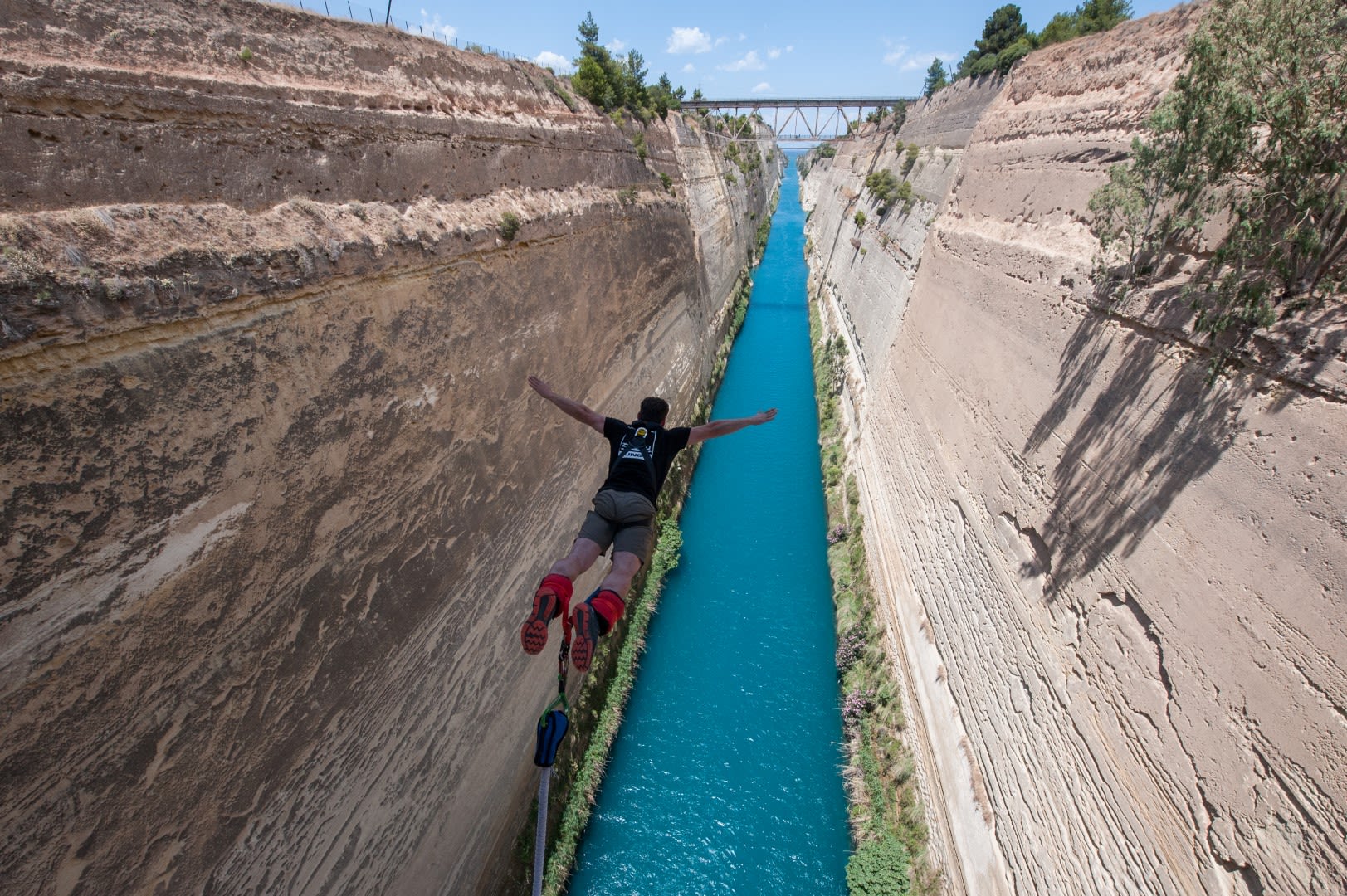
Learn everything you need to know about bungee jumping : from the history of this sport to the equipment to practice this activity...

Thinking of booking your first tandem skydive? Here's everything you need to know before your jump, and all answers to your questions about skydiving.
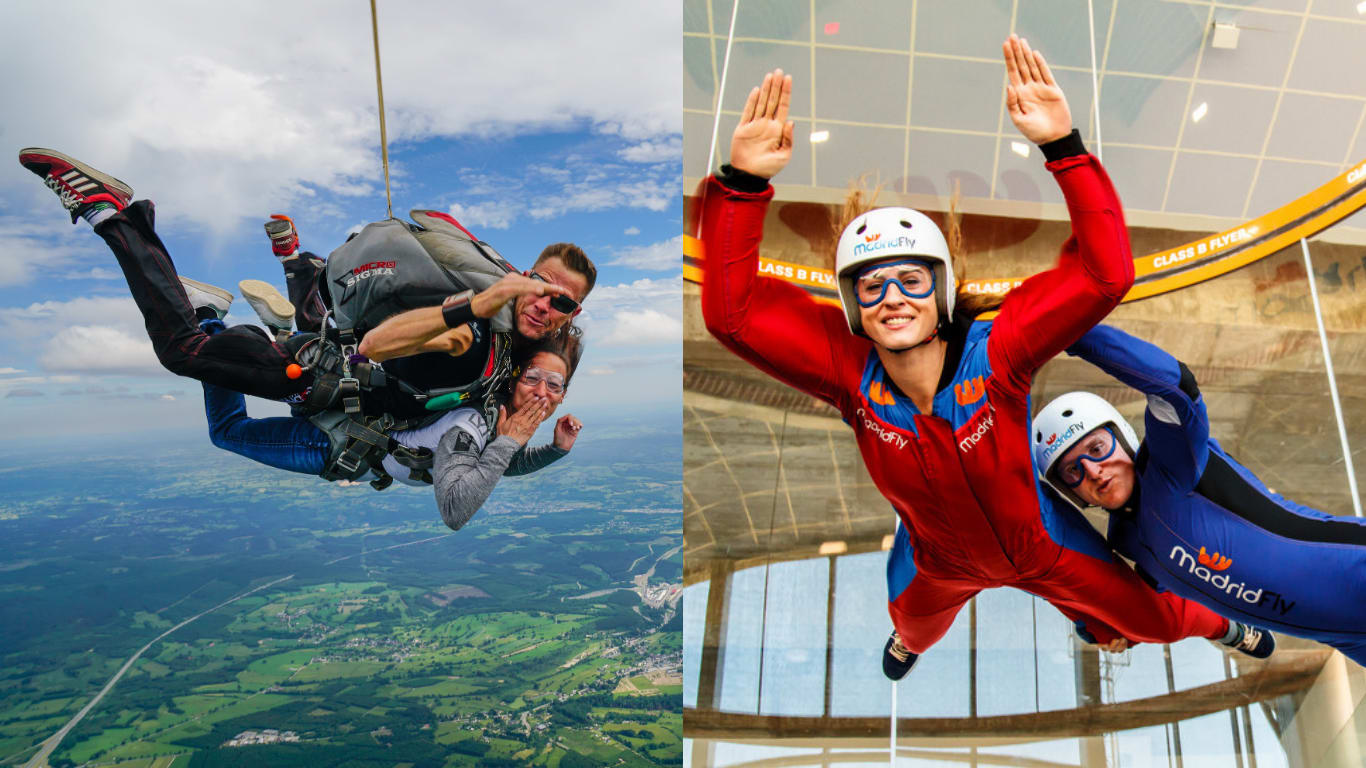
Compare indoor and outdoor skydiving to see which thrill fits you best. Learn about the differences in cost and safety, and discover the best spots try these activities.

Discover the 10 best paragliding spots in Europe and glide over sandy beaches and mountains from Greece to Switzerland.
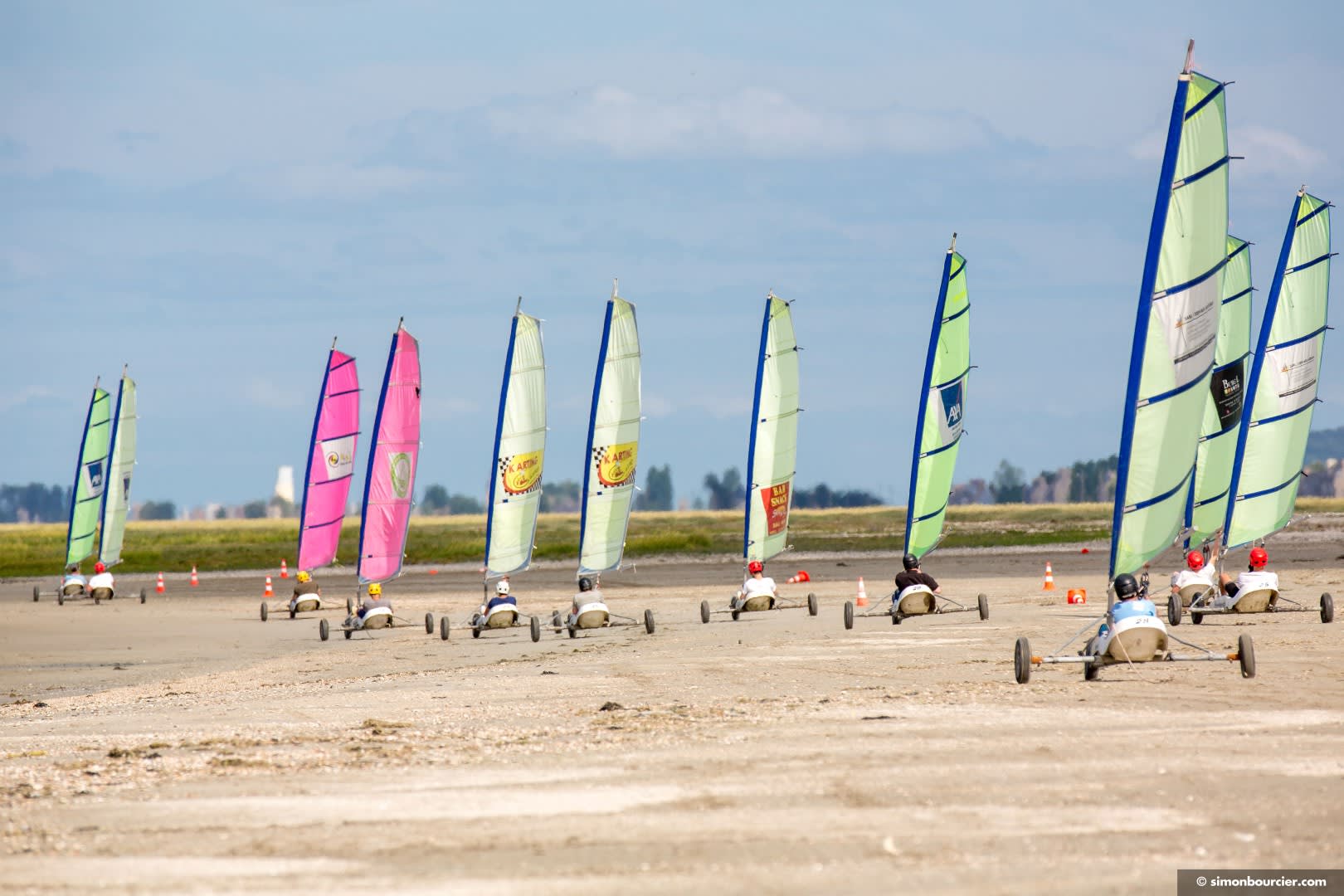
Discover our list of 11 unusual activities to do in Spring. From microlighting to Hydrospeed - unique activities are on the menu!
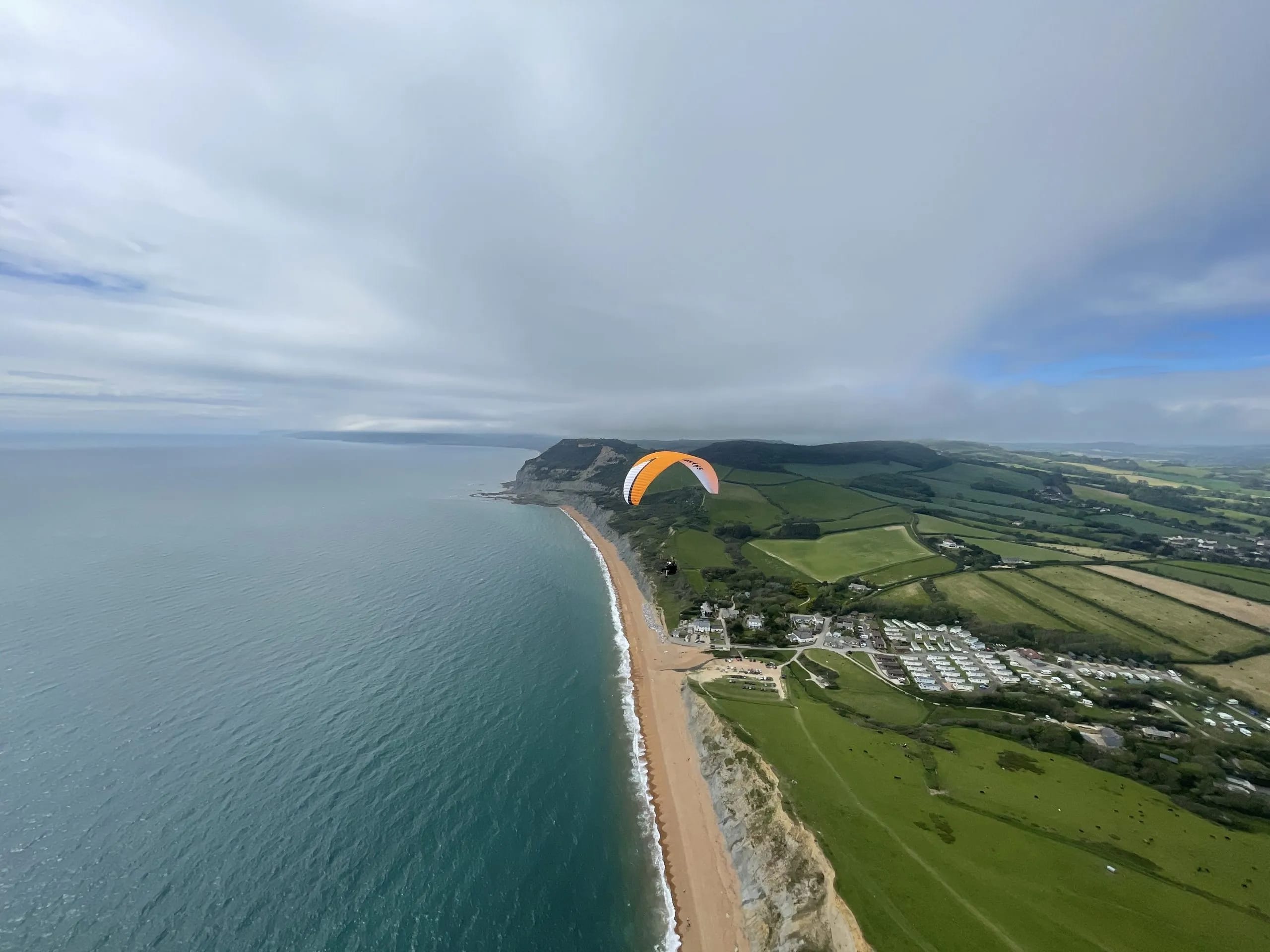
From the Scottish Highlands to the south coast of England, tandem paragliding in the UK is an exhilarating activity not to be missed.