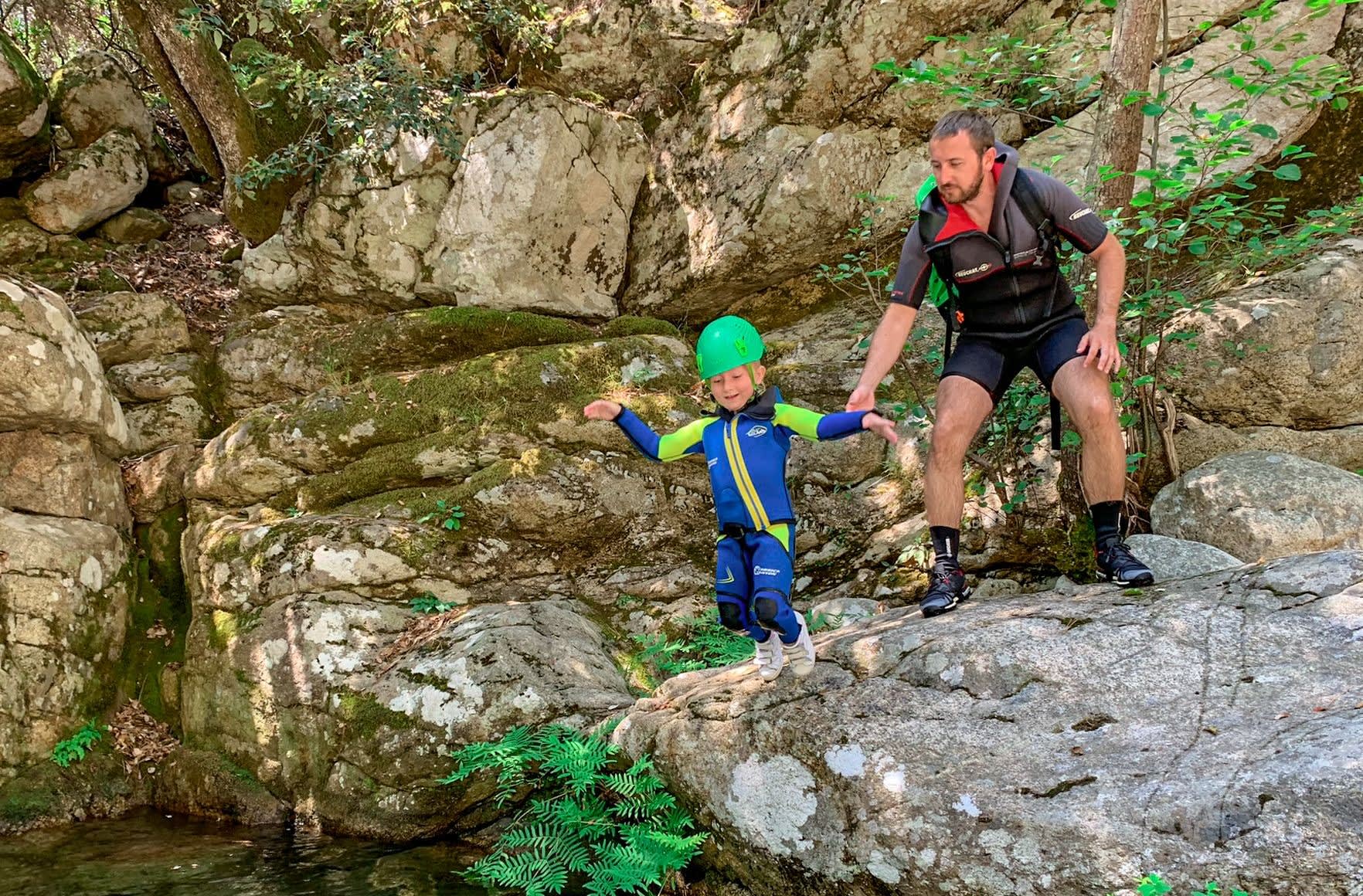
Activities to do with kids in Corsica
Preparing your family trip to Corsica? Explore the best fun outdoor activities to try with kids, from water to land experiences.
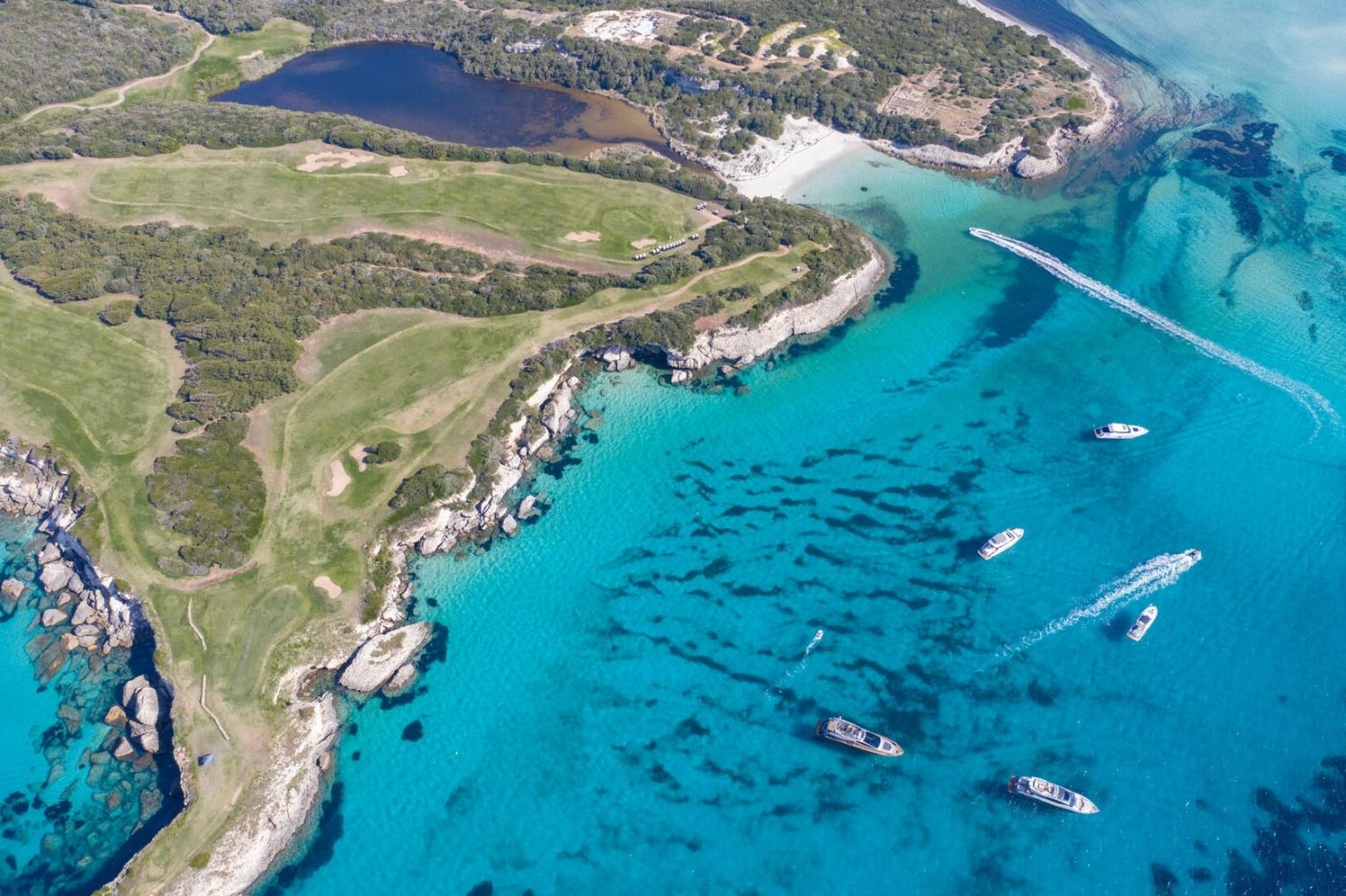
Corsica brings together Mediterranean beaches, rugged mountains and some of France’s best outdoor adventures on one compact island. This complete guide covers the best time to visit, how to get around, where to go, what to do outdoors and how to plan a 3, 5 or 7–10 day trip.
Welcome to Manawa, the website for booking outdoor activities around the world. From diving to canyoning, we connect adventure enthusiasts with professional local instructors to guarantee unforgettable experiences.
Corsica brings together Mediterranean beaches, rugged mountains, picturesque villages and a huge choice of outdoor activities on one island. Unlike a typical beach destination, you can spend the morning swimming in clear water, hike through the mountains in the afternoon or head out on a canyoning, kayaking or boat trip — all in the same holiday.
That variety makes Corsica a great fit for active travellers, couples, groups of friends and families who want to mix adventure, nature and time by the sea. Whether you’re planning a short getaway or a week-long road trip, you can make your Corsica holiday as adventurous or as relaxed as you like.
Corsica is easy to reach from mainland France and several European cities, either by plane or ferry. The best option depends on how long you’re staying, whether you’re bringing a car, and which part of the island you want to explore first.
Flying is the quickest way to reach Corsica, with four airports serving different parts of the island: Bastia, Ajaccio, Calvi and Figari. There are direct flights from major French cities as well as a growing number of European destinations, although routes and schedules vary depending on the season.
For a short trip, flying can save valuable time, especially if you’re planning to rent a car at the airport. For a longer road trip, however, it’s worth choosing your arrival airport based on your itinerary rather than simply looking for the cheapest flight.
Which airport should you choose?
There’s no single “best” airport in Corsica — choose the one that fits your route.
Taking the ferry is a good option if you want to bring your own car, motorcycle, bike or extra luggage. Ferries connect Corsica with several ports in mainland France, including Marseille, Toulon and Nice, as well as ports in Italy such as Genoa, Livorno and Savona. Routes arrive at ports including Bastia, Ajaccio, Porto-Vecchio, Propriano and Île-Rousse, with some connections operating year-round and others seasonally.
The journey takes longer than flying, but it can make sense for a road trip: you arrive with your own vehicle and can start exploring the island straight away. Night crossings are also available on some routes, which can help you save a night of accommodation and make better use of your holiday time.
Corsica is best explored by region rather than as a checklist of individual sights. The island’s landscapes change quickly, from coastal towns and sandy beaches to dramatic mountain valleys, so where you stay will shape the kind of holiday you have.
The north and northwest are a great starting point for a mix of beaches, villages and coastal scenery. Bastia is a convenient gateway to the island and Cap Corse makes a beautiful coastal road trip, while further west, Calvi, Balagne and Île-Rousse combine beaches with hilltop villages and a slower pace. Around Saint-Florent and the Agriates, you’ll find some of Corsica’s more remote-feeling coastline.
For turquoise water, dramatic cliffs and some of the island’s most famous beaches, head south. Bonifacio is the standout, perched above the Mediterranean on a spectacular limestone peninsula, while Porto-Vecchio is a convenient base for beaches such as Palombaggia and Santa Giulia. The Bavella massif adds a completely different landscape inland, with granite peaks, forests, hiking trails and some of Corsica’s best canyoning.
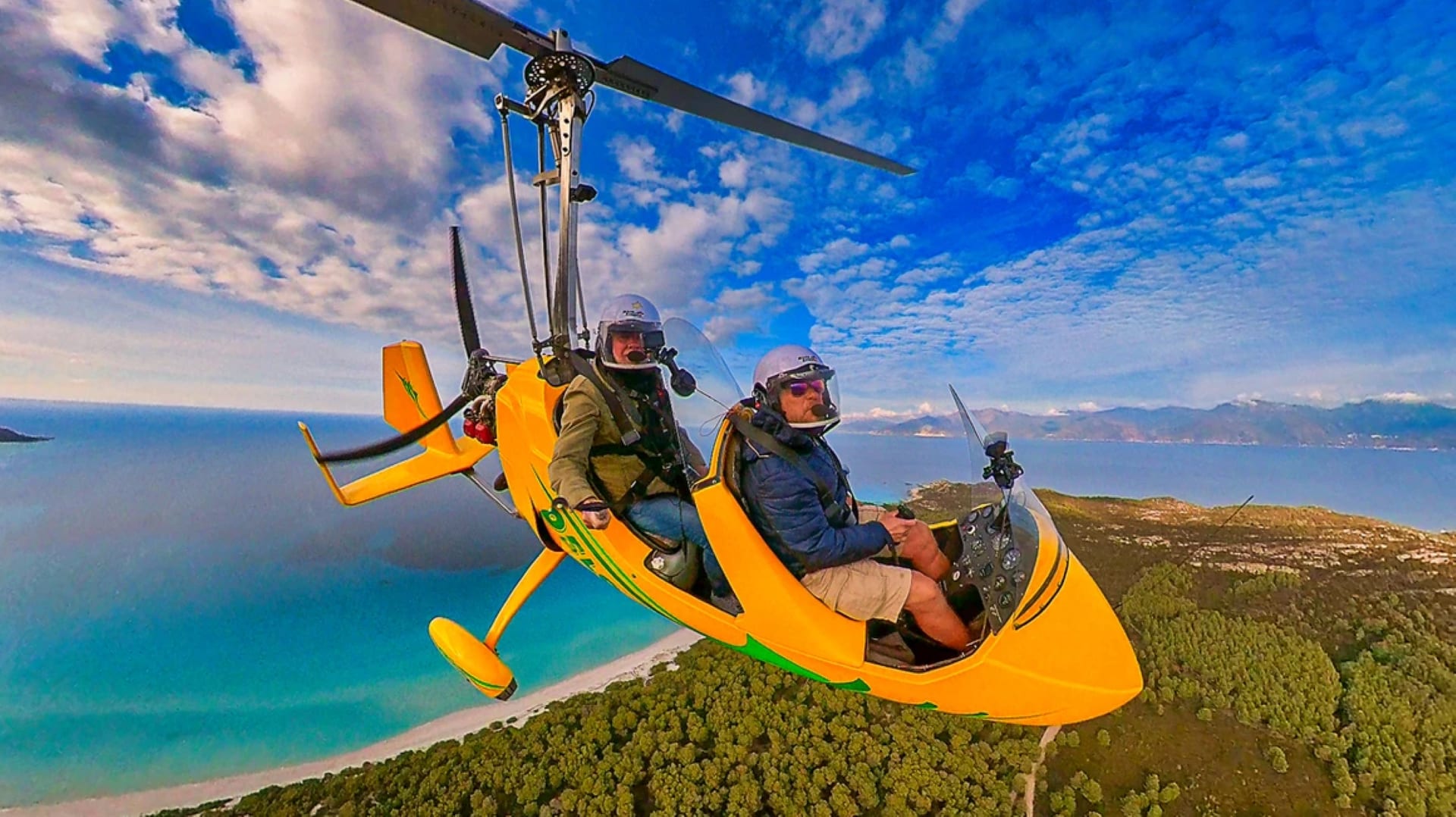
For a more mountainous side of the island, make time for Corte. Set in the heart of Corsica, the historic town is a natural base for exploring the Restonica Valley, mountain trails and the island’s rugged interior. It’s also one of the best areas for an active trip: canyoning, hiking, horseback riding, climbing, microlight flights and other outdoor experiences.
The west coast around Ajaccio and Piana is another essential stop, especially if you’re interested in dramatic coastal landscapes. The Calanques de Piana and Scandola area are best explored from the water or on foot, while Ajaccio makes a practical base for discovering the surrounding coast.
Corsica is a fantastic destination for outdoor adventures, with activities ranging from canyoning in the mountains to exploring the Mediterranean by boat or kayak. Here are five of the best activities to add to your Corsica itinerary.
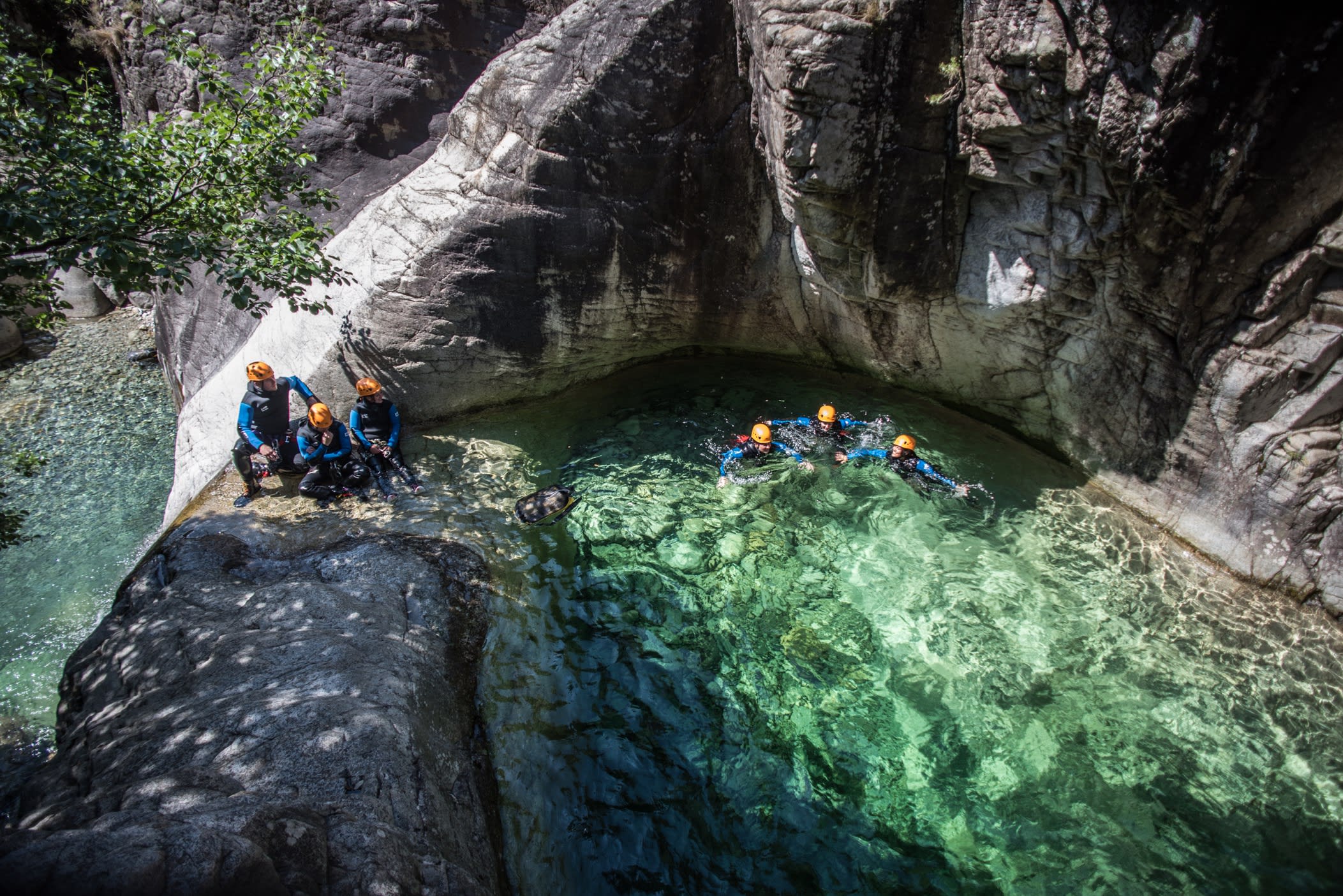
Canyoning is one of the best ways to experience Corsica’s mountains, combining natural pools, waterfalls, rock slides, jumps and abseiling. The Pulischellu Canyon in Bavella is a great choice for beginners and families, while the Purcaraccia Canyon, also in Bavella, offers a more sporty experience. You can also find canyoning around Bocognano and Verghellu Canyon near Corte, making it easy to add to a mountain-focused itinerary. To learn more about this outdoor activity and the best destinations for canyoning on the island, check our complete guide to canyoning in Corsica.
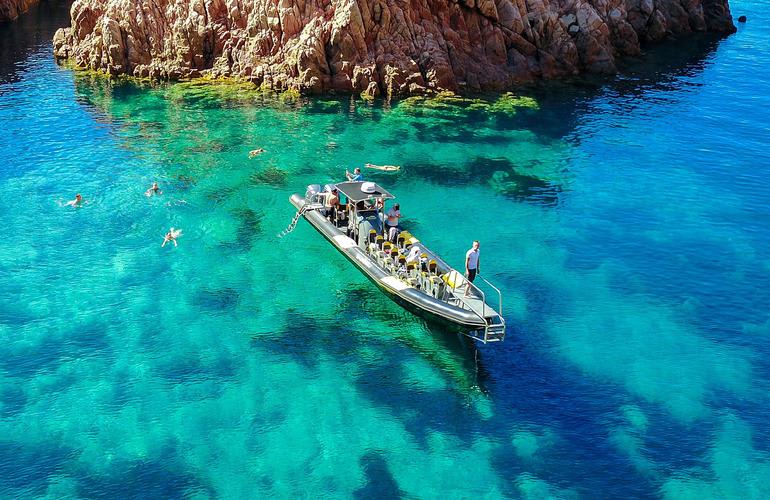
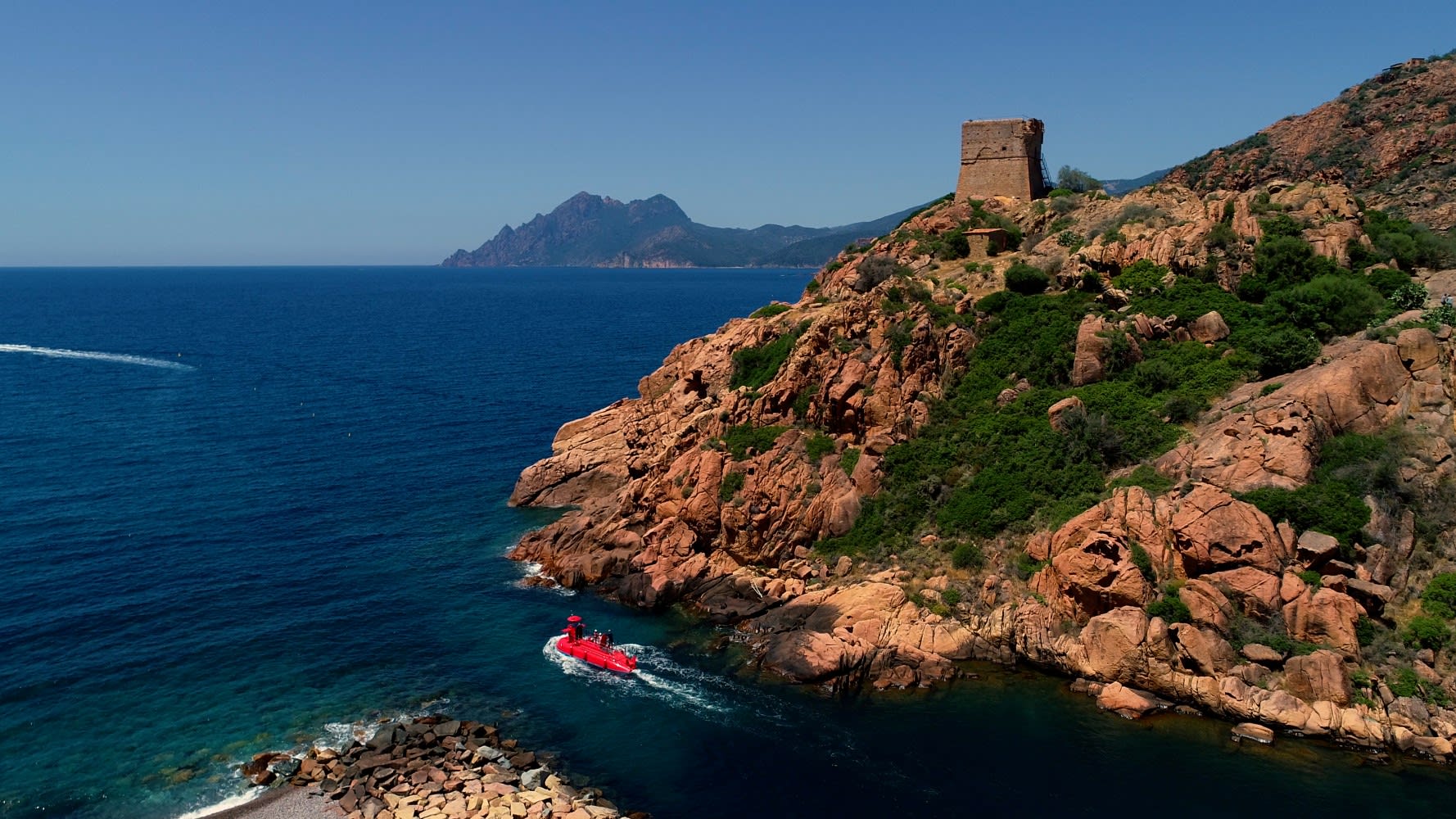
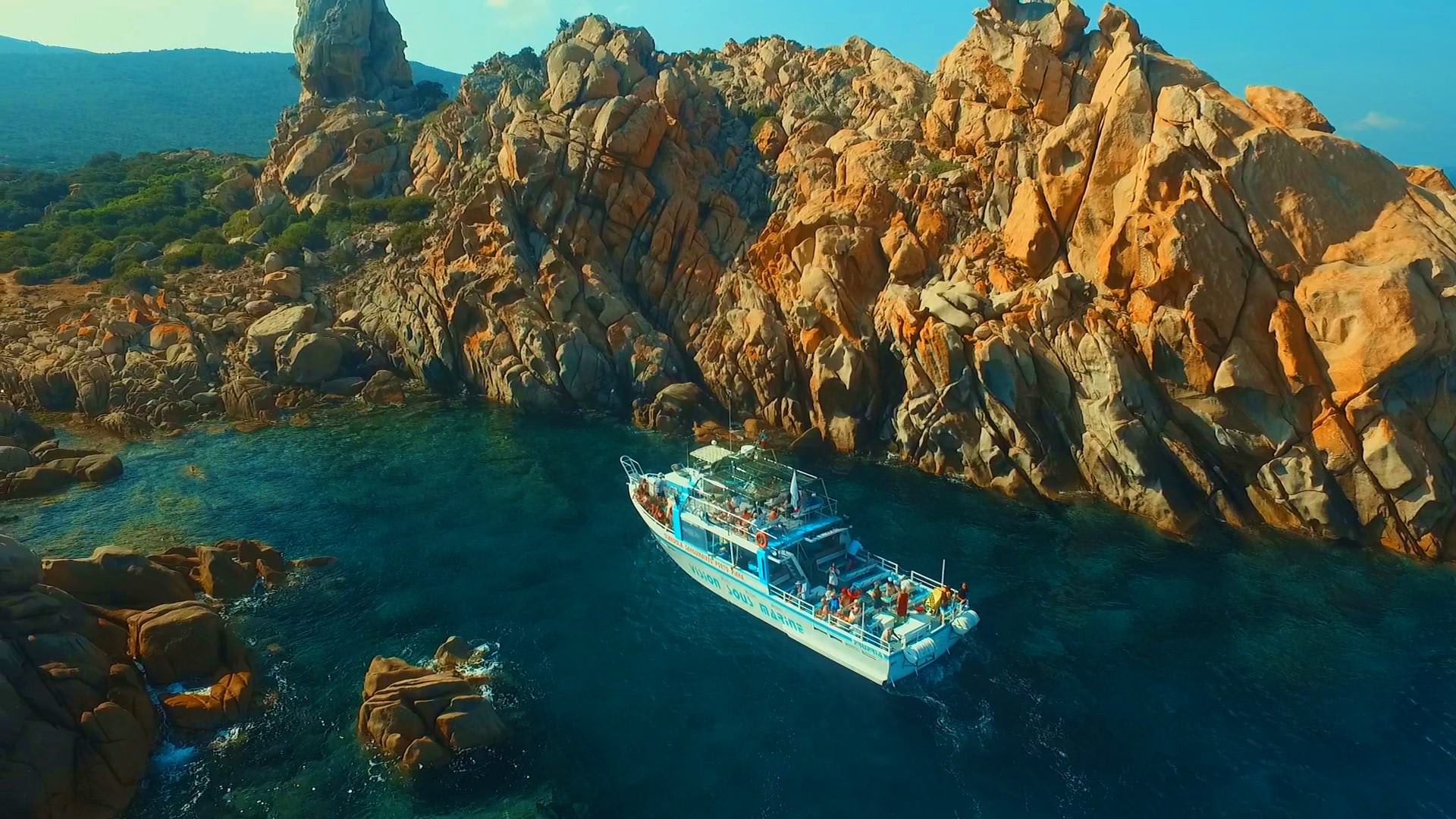
A boat trip is one of the easiest ways to discover Corsica’s dramatic coastline and reach places that are difficult to access by land. Boat tours from Piana take you to the Scandola Nature Reserve, Girolata and the Calanques de Piana, while in the south, boat trips from Bonifacio or boat tours from Porto-Vecchio explore the cliffs, hidden coves and Lavezzi Islands.
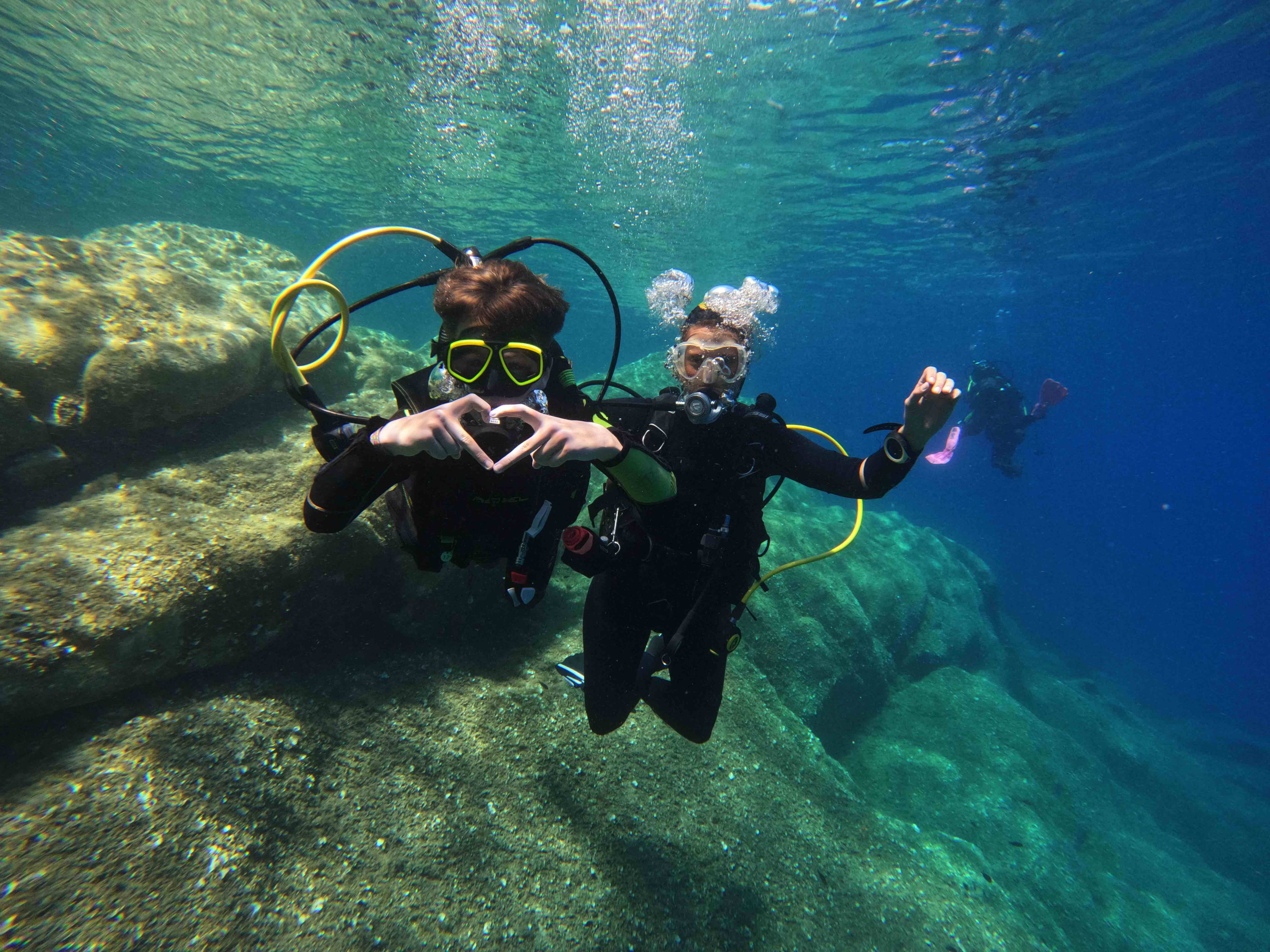
With clear Mediterranean waters and a rich underwater environment, Corsica is an excellent place to try scuba diving or explore further if you are already certified. Manawa offers first dives around Calvi and first dives at L'Île-Rousse in Balagne, as well as Ajaccio, Propriano and Porto-Vecchio, so you can easily combine a diving trip with a coastal road trip.
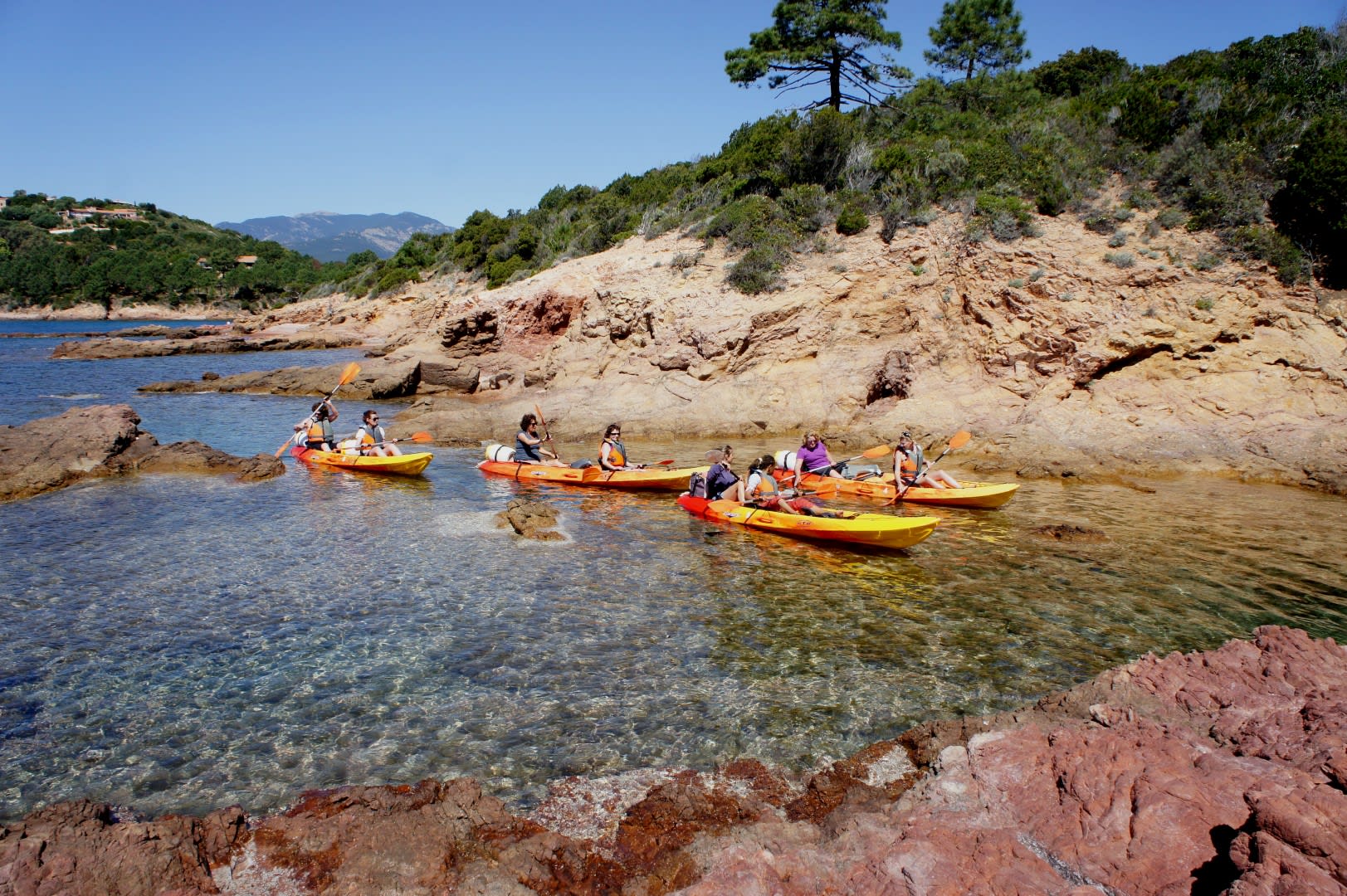
Sea kayaking is a great option if you want to explore Corsica’s coastline at your own pace while getting closer to beaches, caves and small coves. Some of the best options include sea kayaking in Campomoro Bay near Propriano, sea kayaking excursion in Pinarello near Porto-Vecchio, and the Bonifacio cliffs and Capo Pertusato. For a shorter excursion, sea kayaking in the Isolella Peninsula near Ajaccio is another beautiful option.
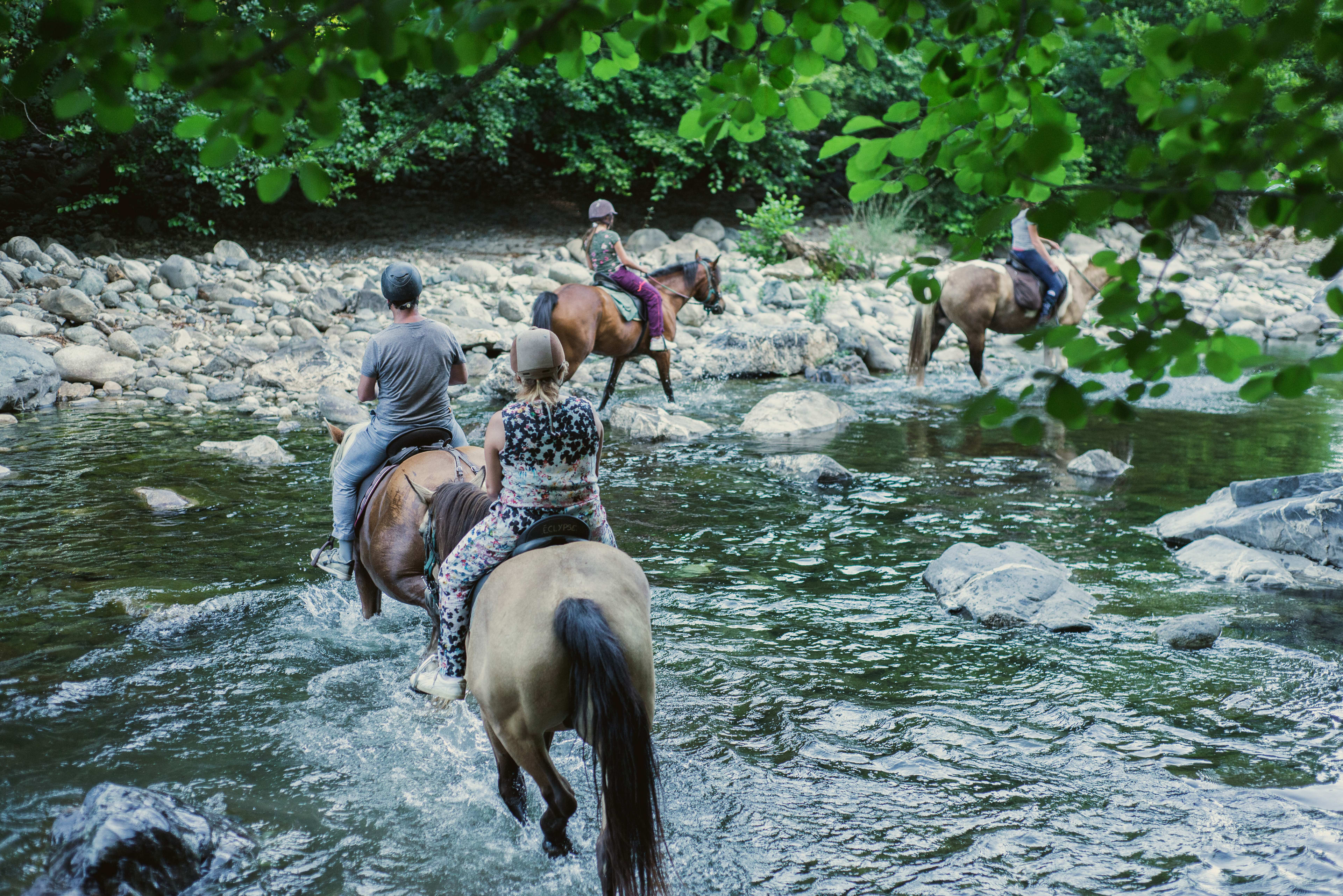
For a different way to explore the island, try horseback riding through Corsica’s mountains, valleys and countryside. Horseback riding in Corte is one of the best for mountain rides, with routes through the Tavignano valley and options that include a swimming stop in a river.
So, which Corsica activity is right for you?
If you’re travelling with children, there are actually plenty of family-friendly adventures to choose from. For more ideas, check out our guide to Activities to do with kids in Corsica.
Whether you have three days or ten, Corsica can be adapted to different travel styles. The key is not to underestimate driving times: the island may look small on the map, but winding coastal and mountain roads make some journeys much longer than expected.
→ Ajaccio → Piana & Porto → Corte → Ajaccio
With only three days, focus on western and central Corsica rather than trying to see the whole island. Start in Ajaccio, drive north to the spectacular Calanques de Piana and Porto, then head inland to Corte for a taste of Corsica’s mountains. It’s a short but varied trip, combining coast, dramatic landscapes and the island’s rugged interior.
→ Bastia → Cap Corse → Saint-Florent → Calvi → Corte → Bastia
Five days are enough for a focused trip around northern Corsica. Explore Cap Corse and the beaches around Saint-Florent, continue towards Calvi and Balagne, then finish inland in Corte and the Restonica Valley. This route gives you a good mix of coastline, villages and mountains without spending your whole holiday in the car.
→ Bastia → Cap Corse → Calvi → Piana & Porto → Ajaccio → Bonifacio → Porto-Vecchio → Bavella → Corte → Bastia
With 7–10 days, you can take on a full Corsica road trip and see many of the island’s highlights. Follow the coast from north to west, continue south to Bonifacio and Porto-Vecchio, then head inland through Bavella and Corte before returning to Bastia. Seven days will make for a faster-paced trip, while ten days gives you more time for beaches, hikes and outdoor activities along the way.
A car is the easiest way to explore Corsica, especially if you want to visit several regions or combine beaches with mountain activities. Roads can be narrow and winding, so driving times are often longer than the distance on the map suggests. If you’re planning a road trip, book your rental car in advance, particularly for the summer months.
Where you stay depends on your itinerary. Ajaccio, Bastia, Calvi and Porto-Vecchio are convenient bases for exploring different parts of the island, while smaller towns and villages can be a better choice if you want a quieter or more authentic experience. For a road trip, staying in several locations is often more practical than choosing one base for the whole trip. Corsica has a wide range of accommodation, from hotels and holiday rentals to campsites, guesthouses and mountain refuges.
Corsica can be more expensive in July and August, when accommodation and transport are in highest demand. To keep costs down, consider travelling in May, June or September, book accommodation and activities ahead of time, and stay slightly away from the most popular coastal resorts. You can also save by mixing restaurants with local markets, picnics and self-catering meals.
Corsica has a Mediterranean climate, with hot, sunny summers and milder spring and autumn months. July and August are ideal for beach holidays but are also the busiest and hottest period. May, June and September are often better suited to hiking, sightseeing and outdoor activities, while the mountains can be considerably cooler than the coast. Always check the forecast before hiking or booking a weather-dependent activity.
Pack for both the beach and the mountains, especially if you’re planning outdoor activities. Bring comfortable walking shoes, swimwear, sunscreen, a hat, a reusable water bottle and a light layer for cooler evenings or higher altitudes. For activities such as canyoning, kayaking or diving, check what equipment is provided by the operator before you travel.
You can enjoy Corsica in as little as three days, but 7–10 days is ideal for a more complete road trip. With less time, focus on one part of the island rather than trying to see everything. For longer stays, you can combine the coast, mountains and several of Corsica’s top outdoor activities.
Yes. Corsica offers plenty of activities suitable for families, from boat trips and horseback riding to kayaking, swimming and easier hikes. For more ideas, check out our guide to Activities to do with kids in Corsica.
Weather and local conditions can change quickly, particularly in the mountains and at sea. Check the forecast before heading out and follow the advice of local professionals when an activity requires a guide or specific equipment.
Now you have everything you need to plan your Corsica adventure. Explore all the activities available on Manawa. And if you’re looking for more inspiration, discover our other Corsica guides on the Manawa blog.
I’ve always loved traveling on my own and chasing new experiences, especially outdoors. I tend to plan my trips carefully, and I enjoy sharing what I discover — tips, places, and little lessons — in the hope that it can inspire others or help them make the most of their own adventures.
Preparing your family trip to Corsica? Explore the best fun outdoor activities to try with kids, from water to land experiences.
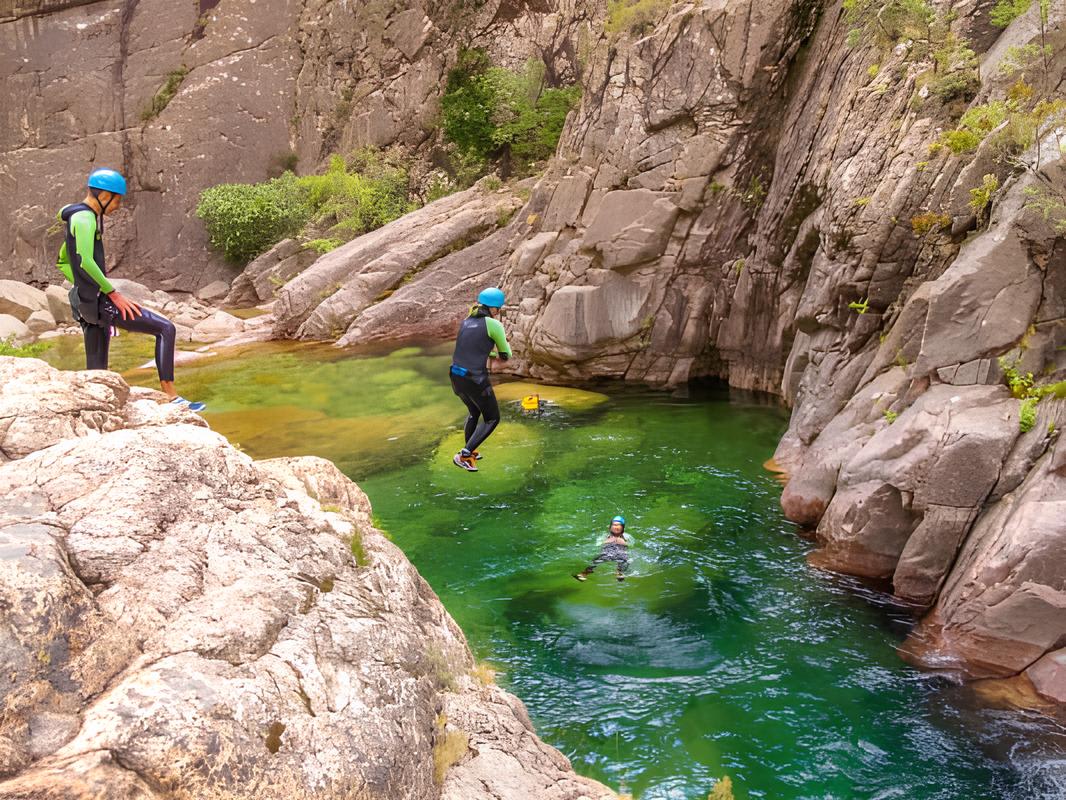
Many of France's most beautiful canyons can be found in Corsica. To help you discover them, here's our complete guide to canyoning in Corsica!
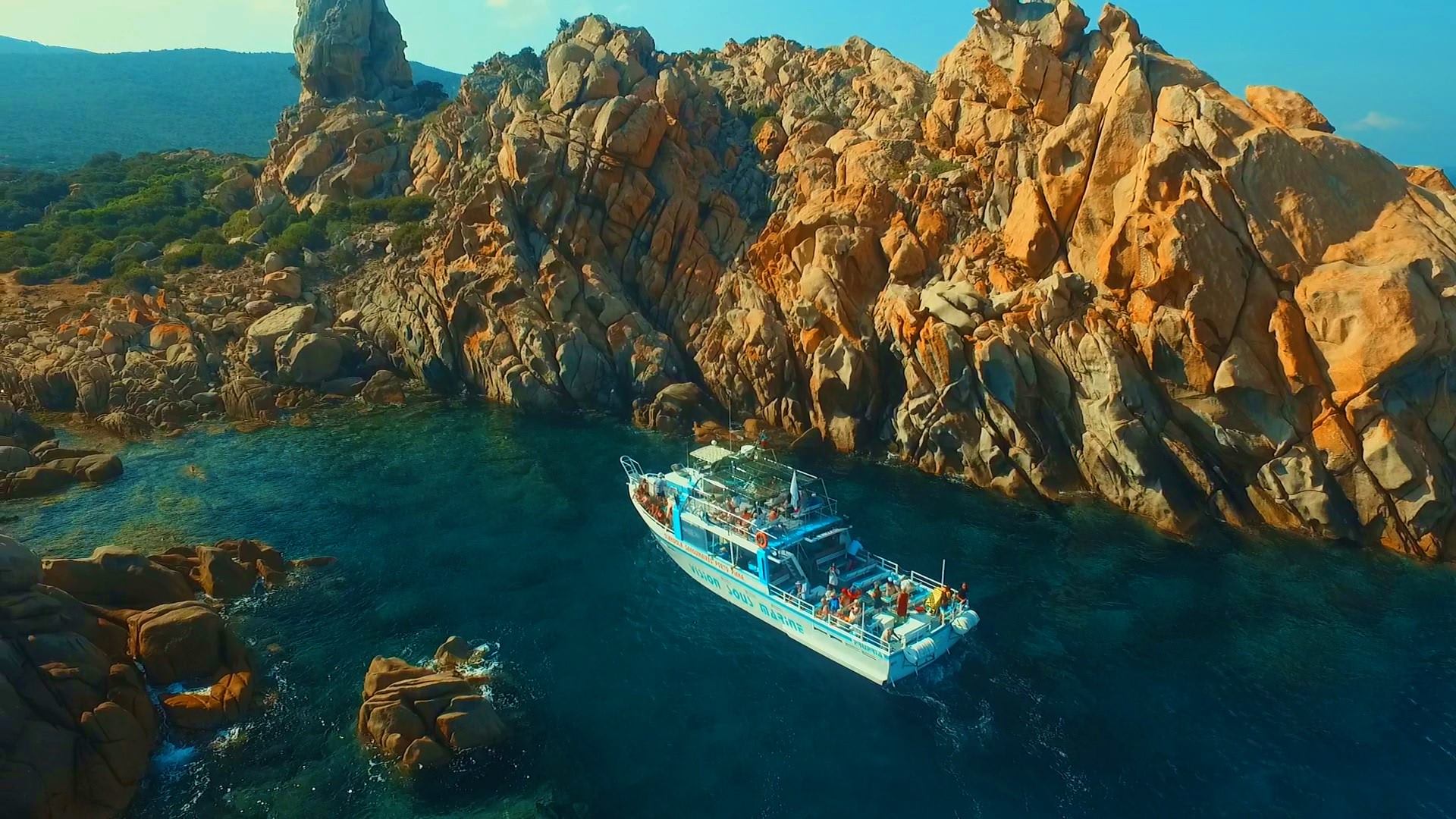
Discover the best things to do in Propriano, Corsica, from canyoning and kayaking to scuba diving, beaches and boat trips. Get practical tips and find the best outdoor adventures fo

Discover the city of Bonifacio, which dominates the southernmost tip of the Isle of Beauty. From the deck of a boat or by kayak, admire this fortress town as if balanced on the lime
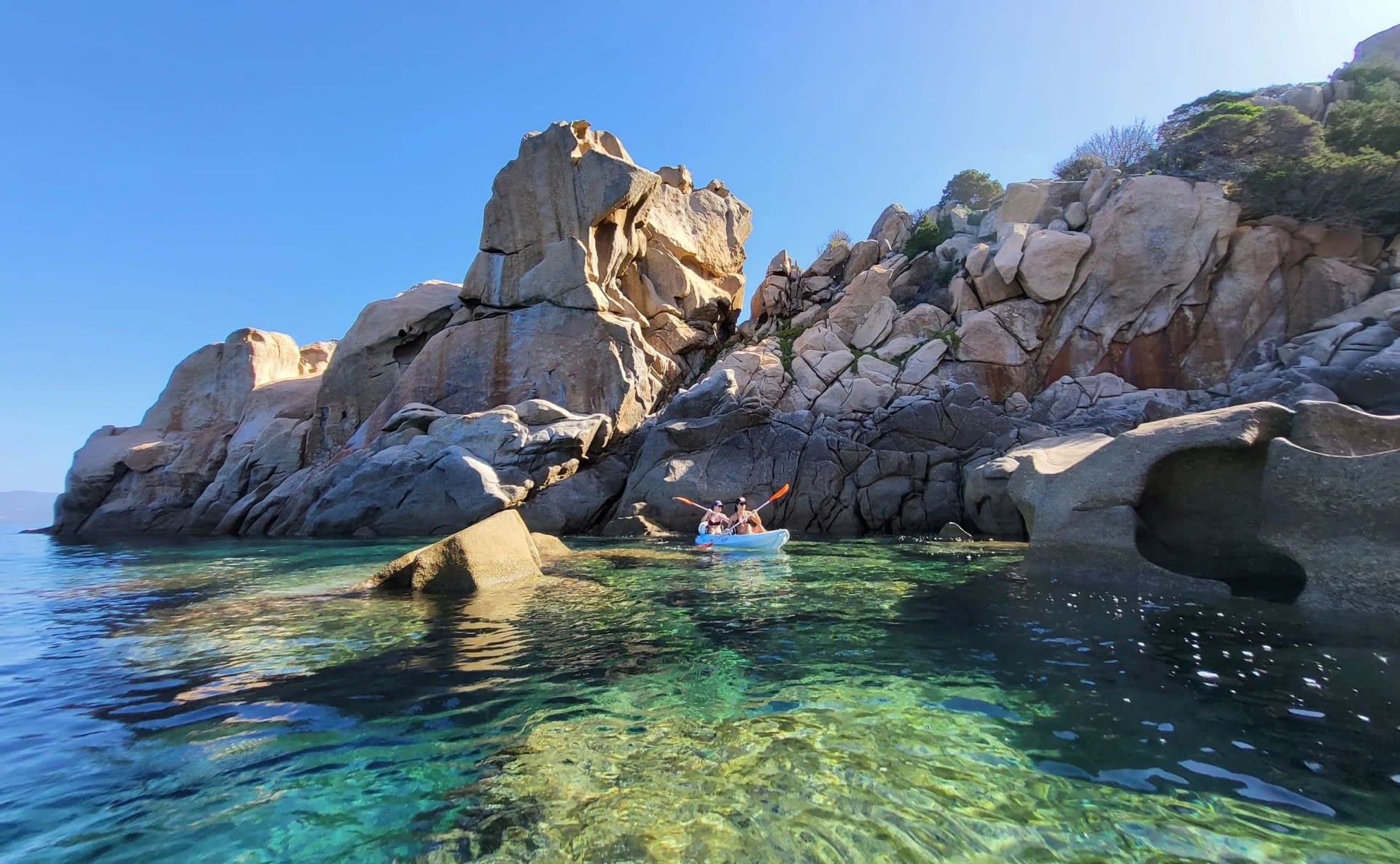
Discover the best things to do in Corsica. Between the sea and the mountains, this island is a real paradise for outdoor adventures.
Discover a new way to explore Europe: checkyeti and Manawa are joining forces to offer even more outdoor adventures across the continent.