Skydiving
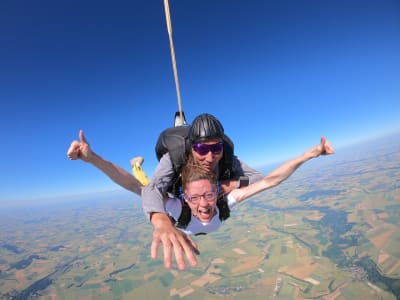
Tandem skydiving from 4000m in Peronne, close to Paris
(6)
Organized by ChuteLibre.Net
Paris, France
1 half day
From€260
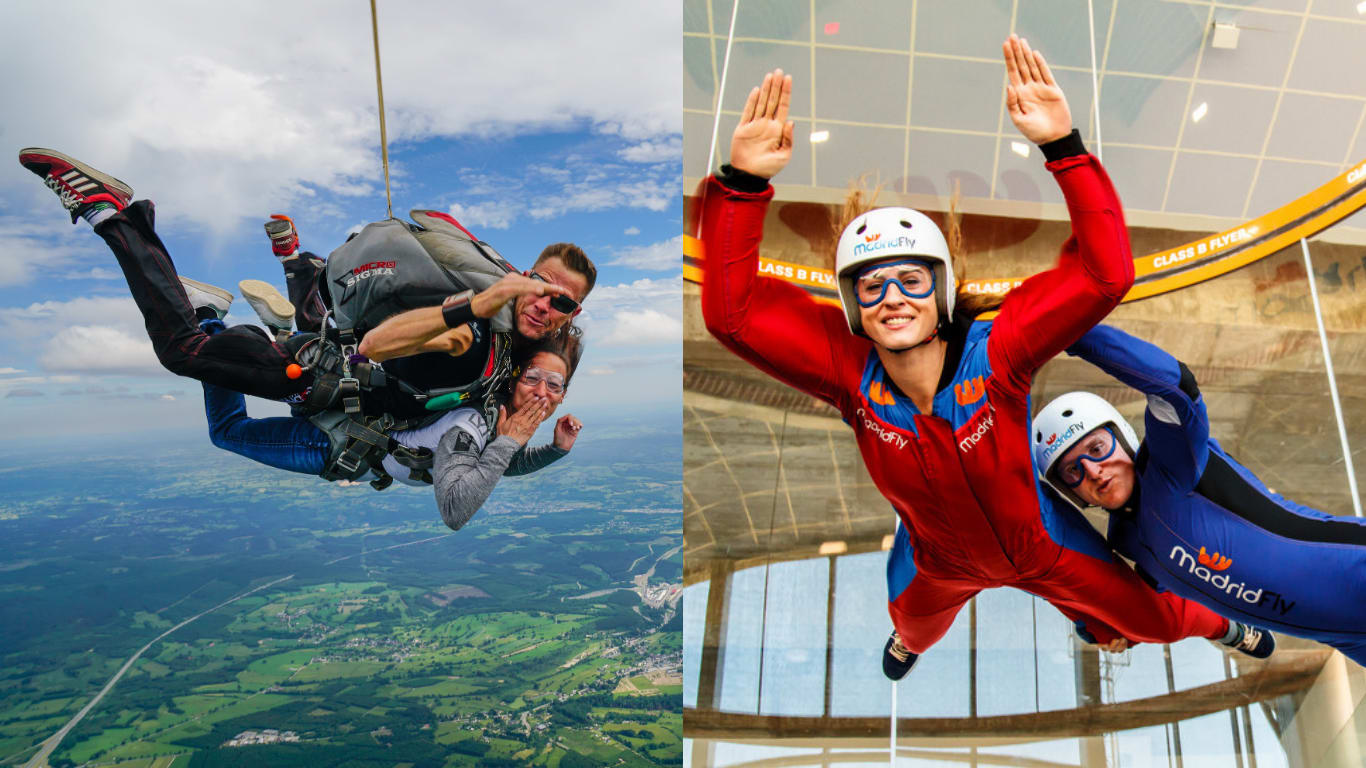
Thinking about skydiving, but not sure whether to jump from a plane or try a wind tunnel? While both are amazing, they are very different when it comes to cost, safety, and the thrill you'll feel. Here is a simple guide to help you choose the right adventure for you.
Welcome to Manawa, the website for booking outdoor activities around the world. From diving to canyoning, we connect adventure enthusiasts with professional local instructors to guarantee unforgettable experiences.
Ever wondered how "real" outdoor skydiving actually compares to the indoor version? At first glance, they look almost identical: you are suspended in the air, defying gravity. While both sports give you that amazing feeling of flying, they are actually very different when it comes to the equipment, the height, and the overall thrill.
This comparison will help you decide which of these two experiences belongs at the top of your bucket list.
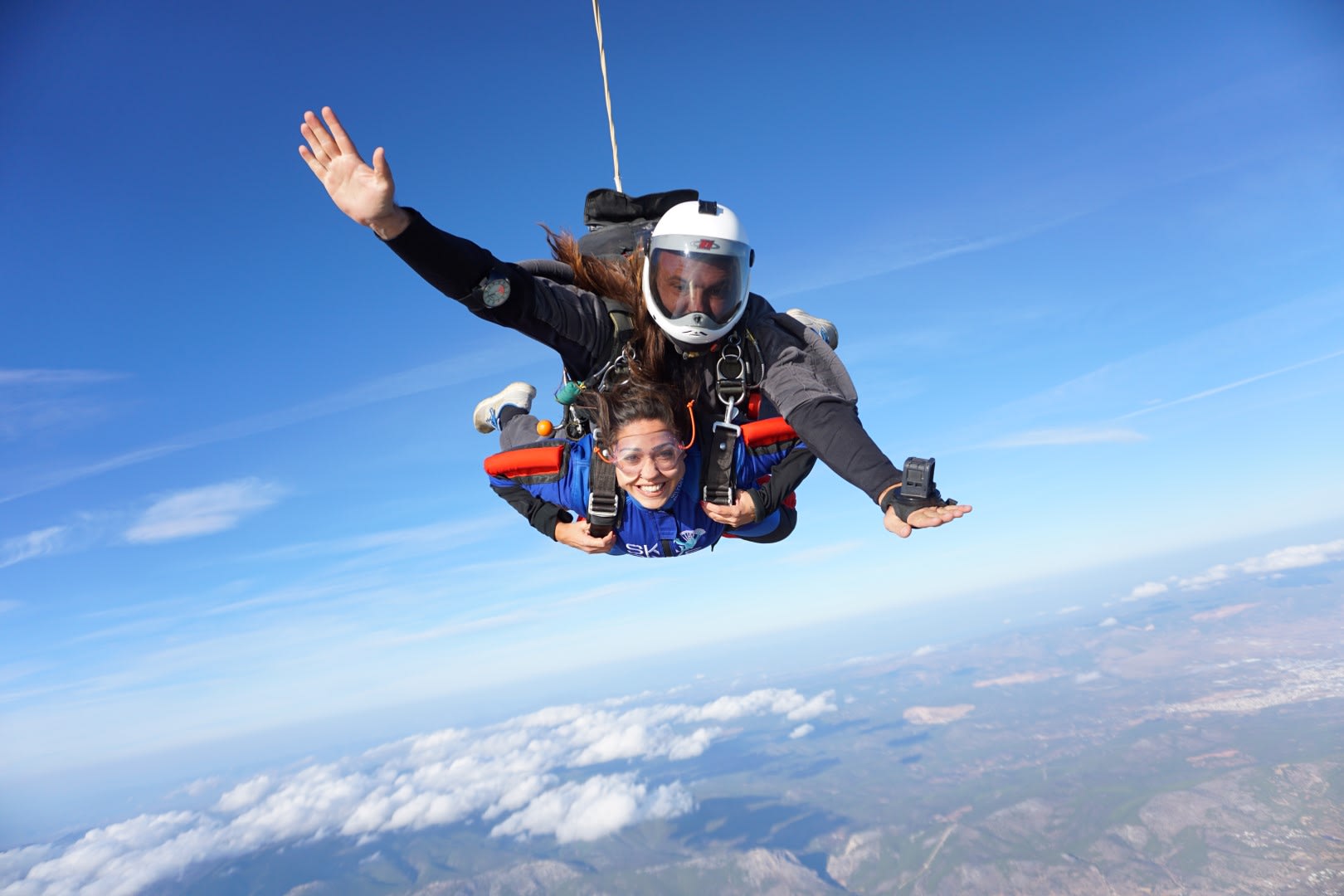
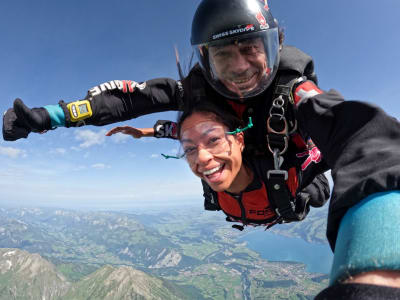
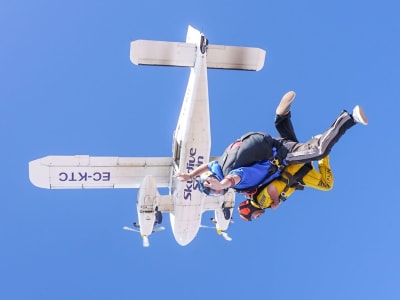
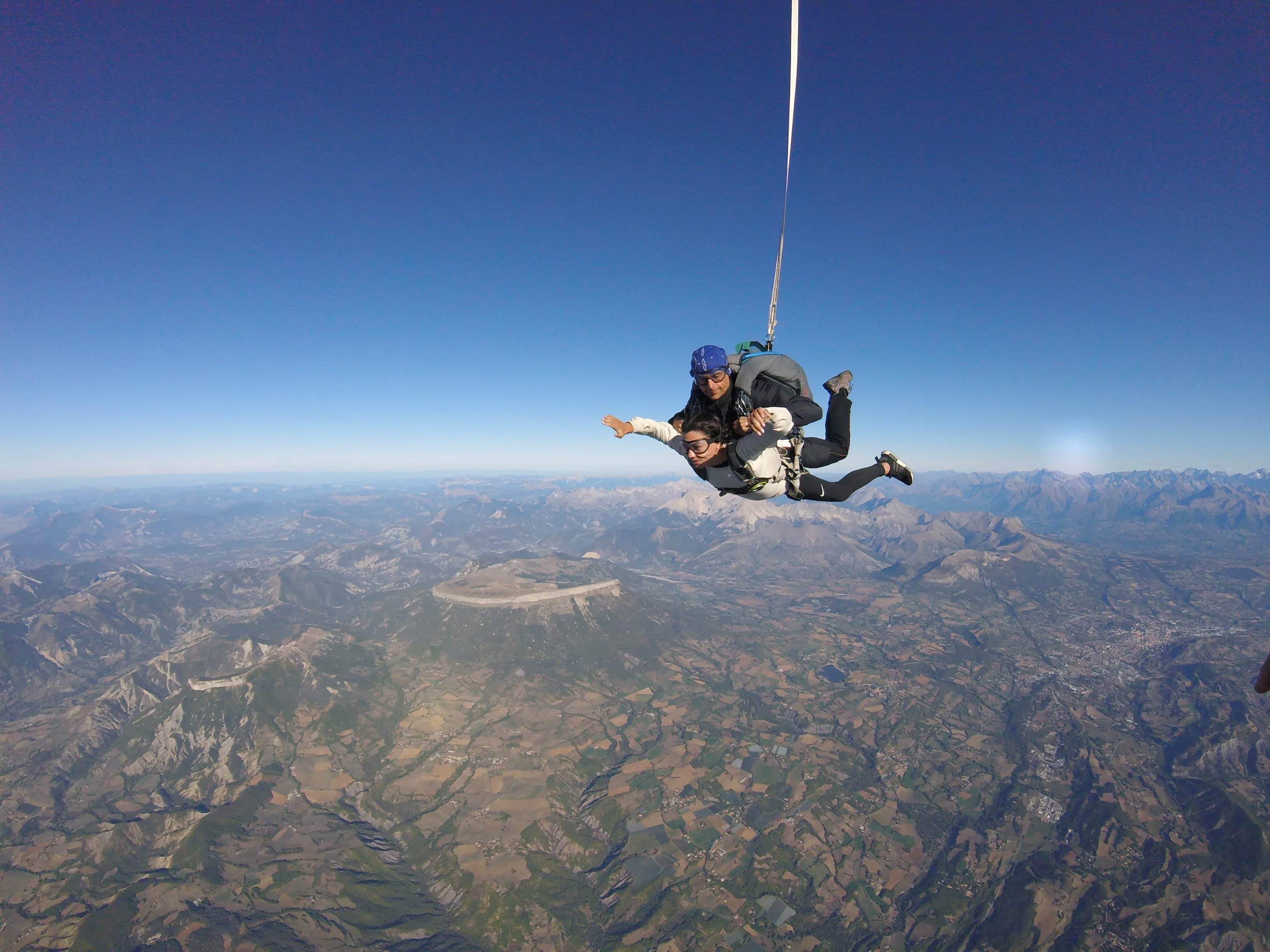
Outdoor skydiving is the classic extreme sport that begins with a jump from an airplane high above the clouds. You’ll experience a heart-pounding freefall at speeds of nearly 120 mph before opening a parachute for a peaceful, scenic glide back to the landing zone. This "real" skydiving adventure requires specialized gear and professional guidance, offering a unique mix of high-speed adrenaline and breathtaking, open-air views that you can only get from thousands of feet in the air.
Beyond the jump itself, outdoor skydiving is famous for its vibrant "dropzone" culture. It is a world filled with high energy and a close-knit community of thrill-seekers who share a passion for flight. From the nervous excitement during the plane ride to the shared celebrations after landing, it is a full-sensory experience. With the sun on your face and the endless horizon around you, it provides a sense of freedom that simply cannot be replicated. If you want to learn more about this aerial activity, check out the article on Everything You Need to Know About Tandem Skydiving.
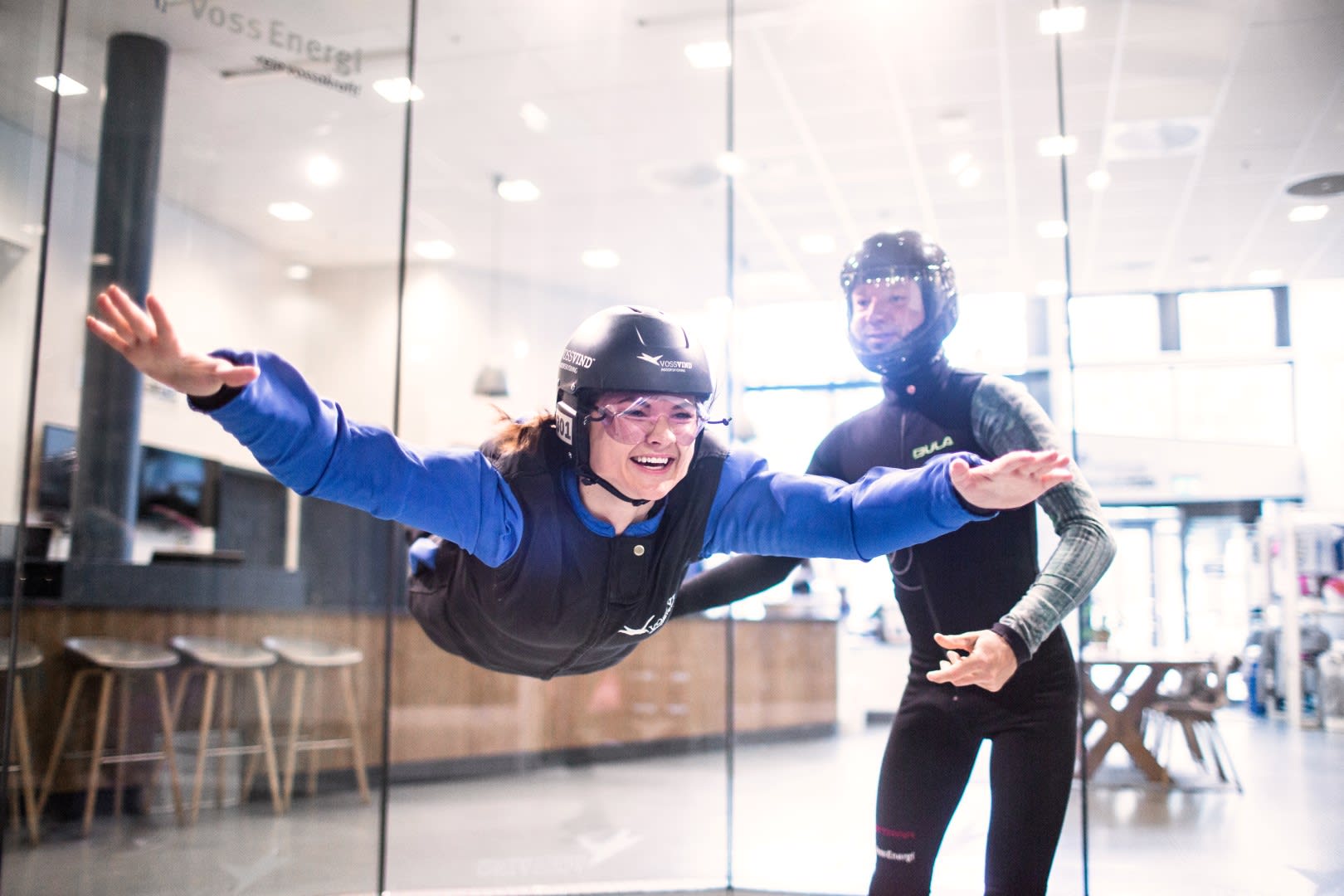
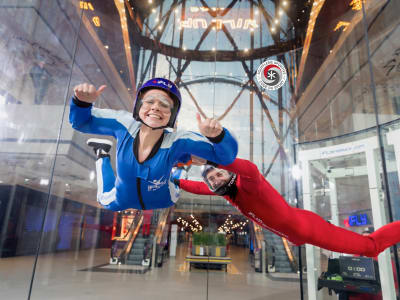
Indoor skydiving is a fun way to experience the feeling of flying without ever having to step onto a plane. It takes place inside a vertical wind tunnel, where massive fans create a powerful upward breeze that lifts you off your feet and lets you float in mid-air. After putting on a flight suit and helmet, you’ll work with a professional instructor who helps you balance and move your body in the wind. Because it happens in a safe, controlled room, it is a great way for beginners of almost any age to enjoy the thrill of freefall in a much easier and more relaxed setting.
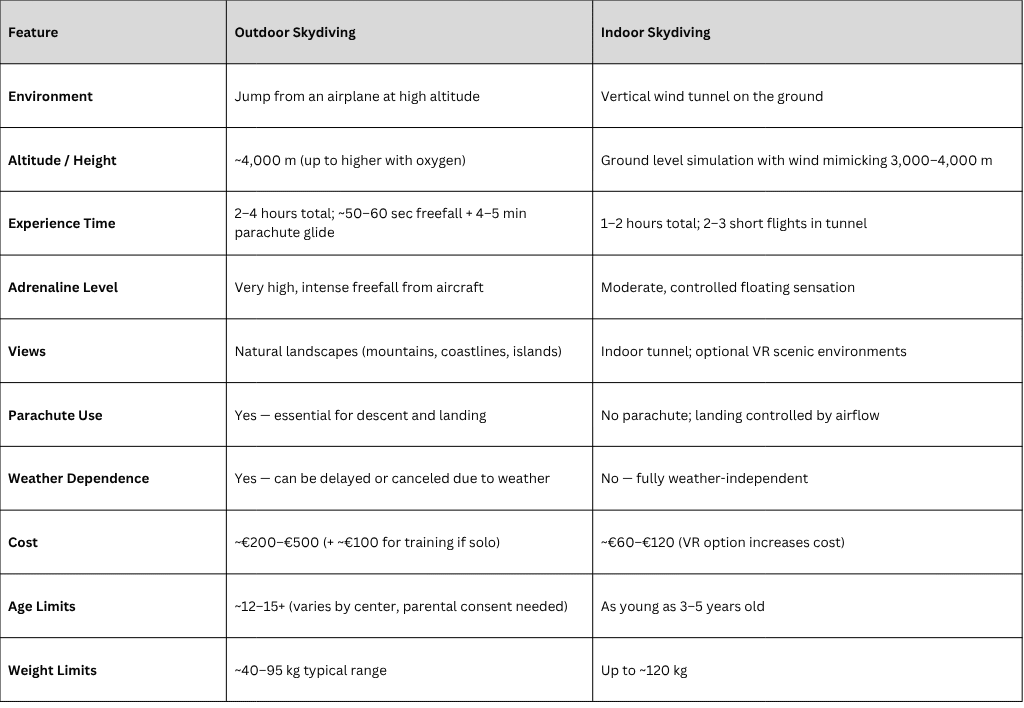
The most obvious difference between the two experiences is how high you actually go. In outdoor skydiving, a typical tandem jump reaches a maximum height of about 4,000 meters. While it is possible to jump from even higher, it requires supplemental oxygen to breathe in the thin air, so it is rarely recommended for your very first jump.
Indoor skydiving, on the other hand, is a ground-level simulation. Even though you are only a few meters off the safety net, the wind speeds are specifically tuned to mimic the air pressure and resistance of a real jump from 3,000 to 4,000 meters. This gives you the authentic feeling of high-altitude flight without ever leaving the building.
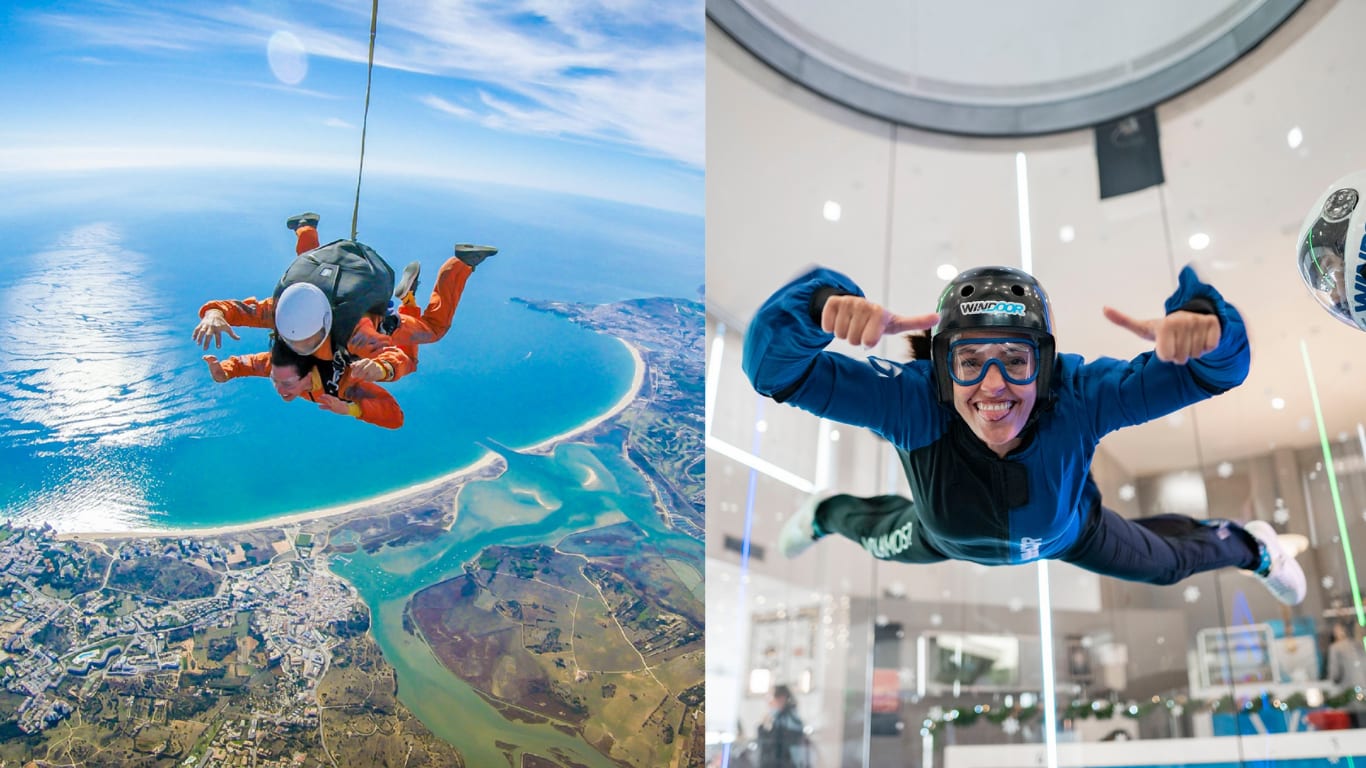
When it comes to the scenery, the two experiences offer completely different worlds. Outdoor skydiving provides authentic, panoramic views that are impossible to beat. Depending on where you jump, you might see sprawling mountain ranges, sparkling coastlines, or turquoise water landscapes — like skydiving above Moorea in French Polynesia.
Indoor skydiving typically takes place inside a facility, meaning your view is usually limited to the glass walls of the tunnel. However, technology is changing the game. Some modern tunnels, such as those virtual reality flights in Paris, now offer VR (Virtual Reality) experiences. By wearing specialized goggles, you can enjoy a digital, 360° view of iconic locations like Dubai, Hawaii, or California, blending the physical sensation of flight with a breathtaking simulated landscape.
Outdoor skydiving is usually a half-day event, taking about 2 to 4 hours including your safety briefing. The highlight is the freefall, which lasts between 50 and 60 seconds as you hit speeds of 200 km/h. Once your instructor opens the parachute at around 1,500 meters, the pace changes entirely; you get another 4 to 5 minutes of peaceful gliding to enjoy the scenery before touching down.
Indoor skydiving is much quicker, usually fitting into a 1 to 2-hour window. This includes a short training session followed by your time in the tunnel. Instead of one long descent, you typically enjoy 2 or 3 separate flights. While each "session" in the wind is shorter than a plane jump, the total time spent in freefall conditions often equals or exceeds what you would experience during a single outdoor tandem jump.
The price point is often a deciding factor when choosing between these two adventures. Outdoor skydiving is a larger investment, with prices typically ranging from €200 to €500. This fee covers your seat on the aircraft, professional instructor fees, and all necessary gear like the parachute and harness. If you want to jump solo right away to earn your skydiving license (AFF/PAC), expect to pay about €100 extra for the specialized introductory training.
Indoor skydiving is much more budget-friendly, making it a great way to try the sport without a huge commitment. Prices generally start around €60, though they can go up to €120 if you choose to add a VR headset for a simulated scenic flight.
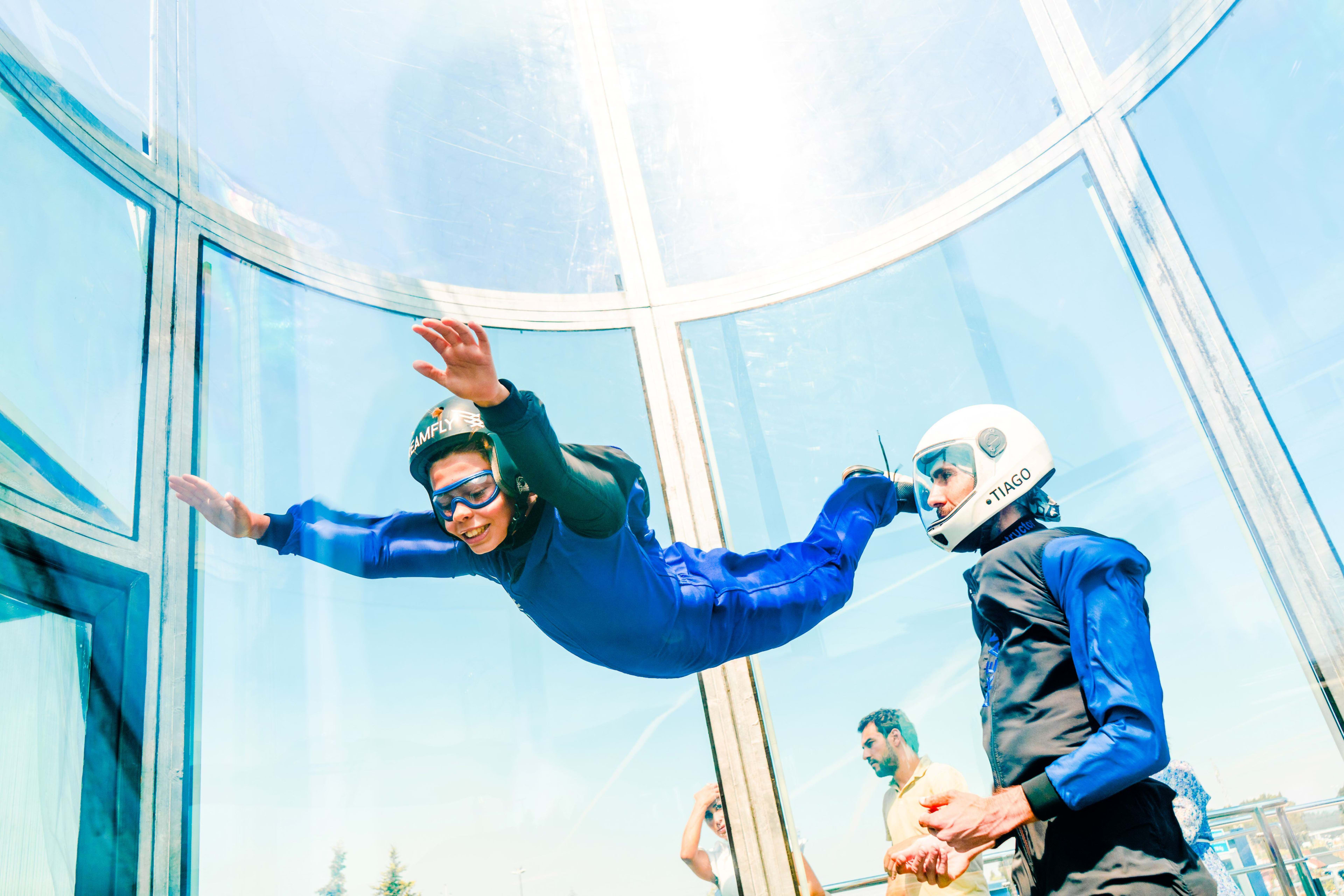
Accessibility is one area where these two activities differ the most. For outdoor skydiving, the rules are stricter due to the physical demands of jumping from a plane. Generally, the minimum age is 15 years old with parental consent, though some centers allow children as young as 12. Weight is also a key factor; most centers require you to weigh at least 40 kg, with a maximum limit usually between 90 and 95 kg.
Indoor skydiving is much more inclusive, making it a fantastic choice for families. Children as young as 3 to 5 years old can join in the fun, as the controlled environment is much gentler. The weight limits are also more flexible; in a wind tunnel, participants can typically weigh up to 120 kg. This makes the indoor experience accessible to a much wider range of ages and body types.
Outdoor skydiving is a full-adrenaline experience; the act of jumping from a moving plane into the open sky creates a massive emotional and physical peak that is hard to beat. In contrast, indoor skydiving provides a more moderate, controlled thrill. While you still get the exciting sensation of floating on air, the stable environment makes it feel much more approachable and less overwhelming than a freefall from thousands of feet.
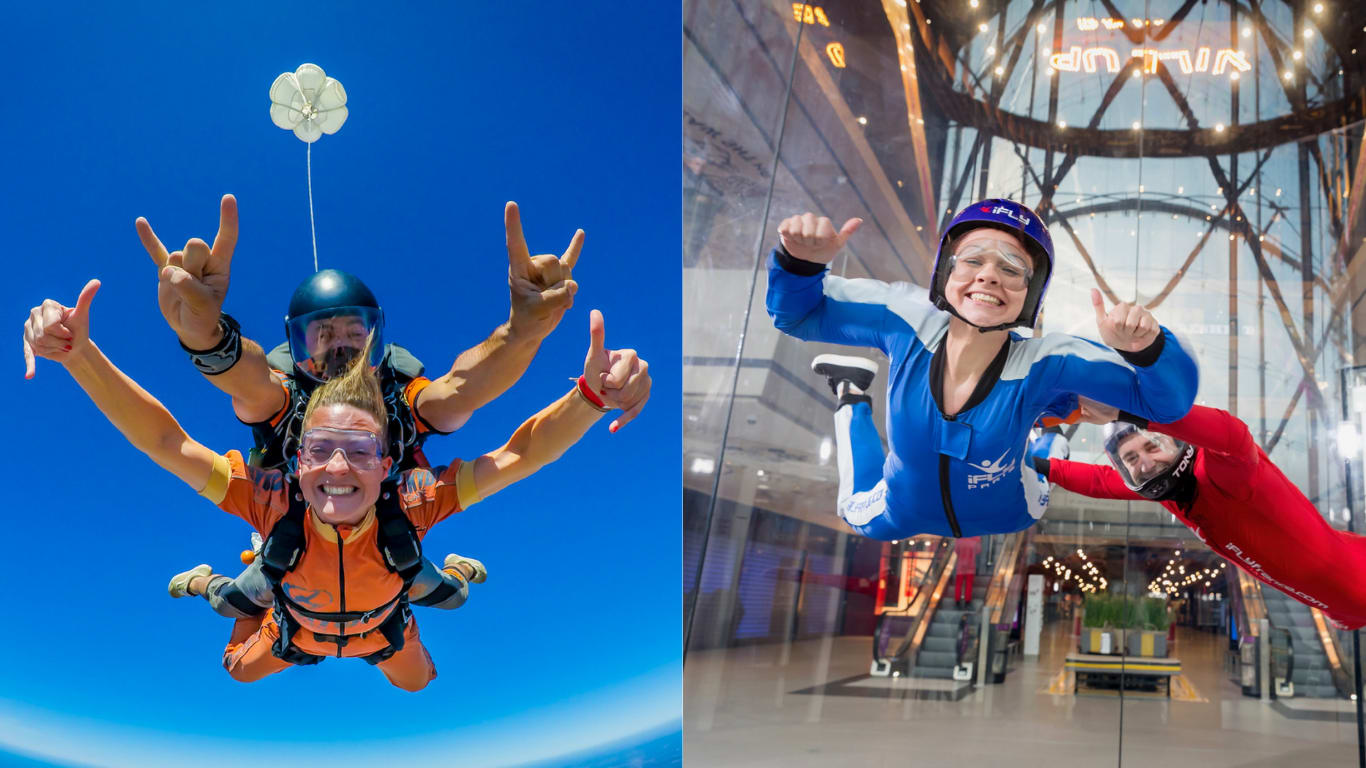
In outdoor skydiving, the parachute is a core part of the journey. Once your instructor deploys the canopy at around 1,500 meters, the experience shifts from a high-speed fall to a peaceful, five-minute glide. Safety is highly managed; even if you jump alone and forget to pull the cord, modern parachutes are equipped with automatic safety openers that trigger at a certain altitude. There is also always a reserve parachute on hand, ensuring you have a safe trip back to the ground.
In indoor skydiving, there is no parachute at all. Because you are flying in a confined, vertical tunnel just a few meters above a safety net, you simply slow down your body position or wait for the instructor to decrease the wind speed to land softly on your feet.
Weather plays a huge role in your ability to jump when you are heading outdoors. While skydiving happens year-round in some places, it is strictly dependent on clear skies and safe winds. If it is raining or too cloudy, the plane stays on the ground, and your jump will be rescheduled to ensure you get the best views and the safest conditions. Because of this, many centers in colder regions close completely between November and March.
Indoor skydiving, however, is completely unaffected by the weather. Since the wind tunnel is in a climate-controlled building, you can fly day or night, rain or shine. You never have to worry about a canceled trip due to a storm, making it a much more reliable option if you are planning a specific date for your adventure.
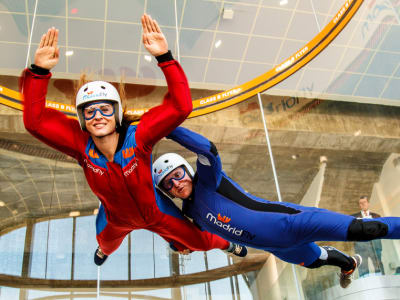

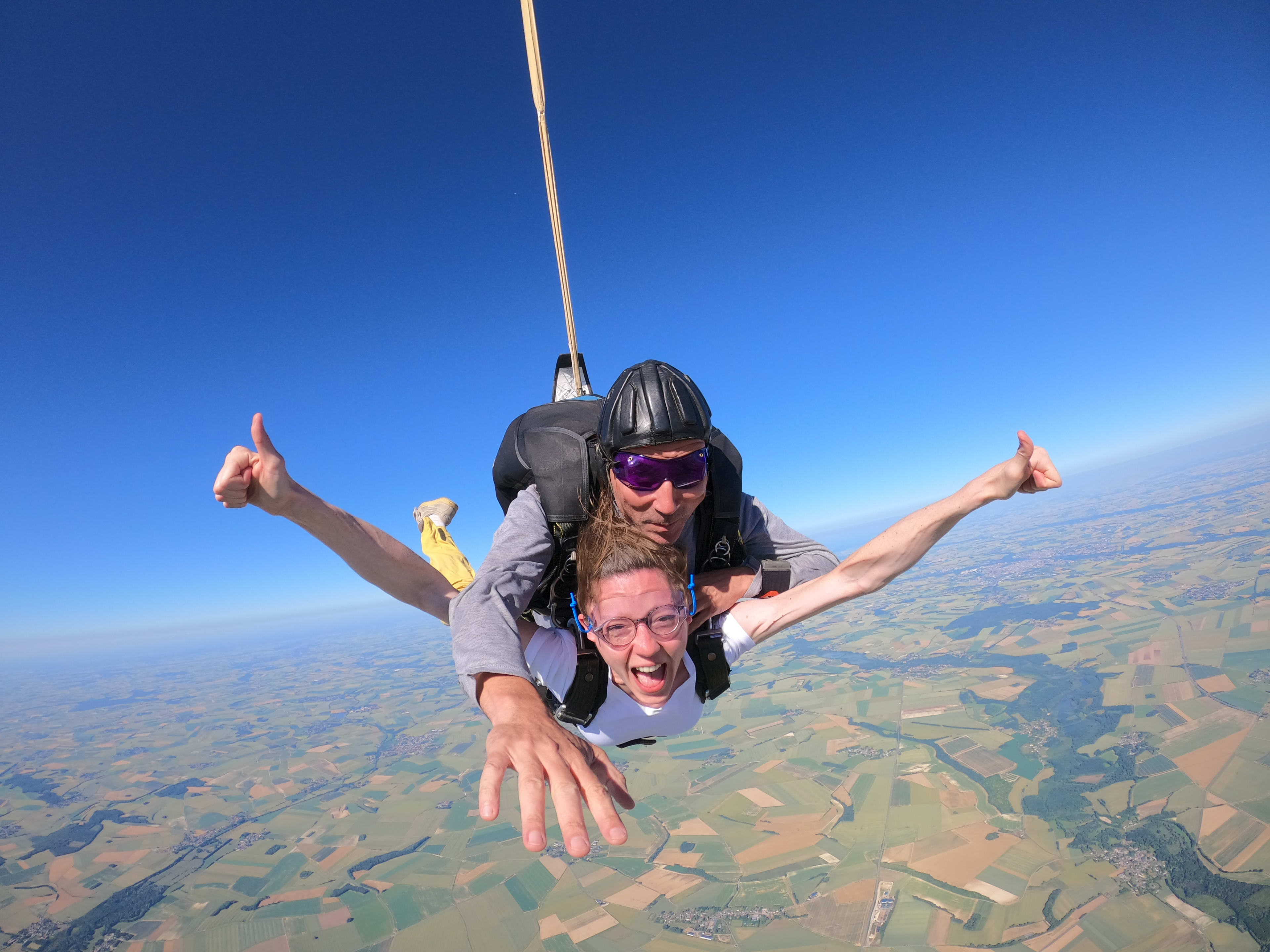
Paris is one of the places where you can easily mix city sightseeing with high-altitude thrills. For outdoor skydiving in Paris, you’ll need to head just outside the city to professional dropzones like those in Péronne or Saint-Florentin. These spots are famous for their welcoming atmosphere and offer incredible views of the French countryside as you freefall from 4,000 meters. It’s the perfect way to see a different, more natural side of France.
If you’d rather stay within the city limits, indoor skydiving in Paris is a world-class experience. You’ll find one of the most advanced wind tunnels in the world. What makes the Paris location special is the VR (Virtual Reality) option. While you float in the air, you can wear a headset that transports you to 360° digital landscapes like Hawaii or Dubai, giving you a "best of both worlds" experience without ever leaving the French capital.
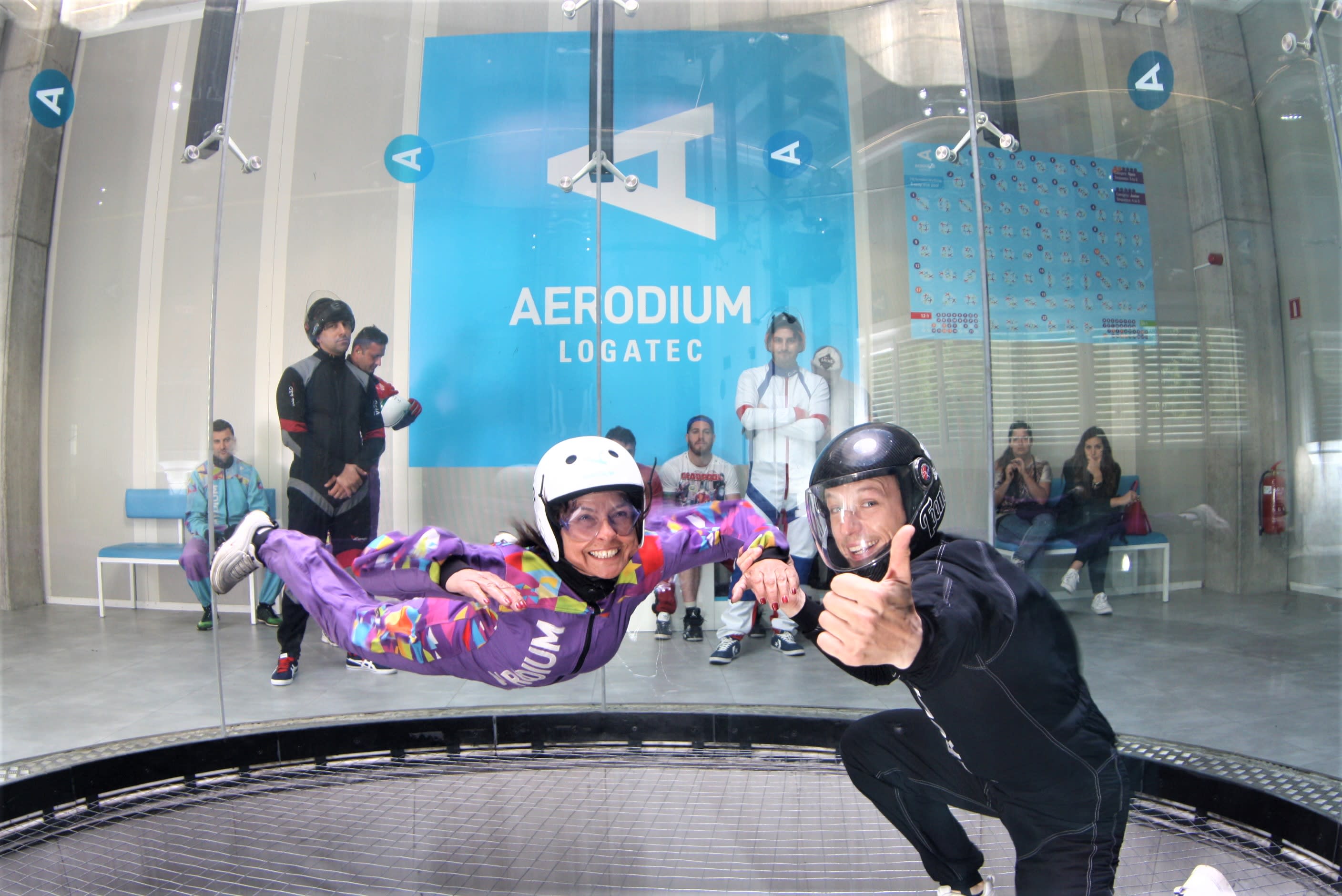
Slovenia is a hidden gem for air sports, offering some of the most beautiful green scenery in Europe. For outdoor skydiving in Ljubljana, you can take a tandem leap from 4,000 meters. As you fall, you’ll get a bird’s-eye view of the city’s stunning landscapes, including the winding Sava River and the vast, colorful countryside fields that stretch toward the Alps.
If you prefer to stay closer to the ground, you can head to Logatec, located just a short drive from the capital, for indoor skydiving in Ljubljana. This facility allows you to skip the long plane rides and expensive airport fees while still discovering the amazing sensation of freefall. It is a fully supervised, safe environment where you can experience the power of flight without any of the "knee-trembling" heights.
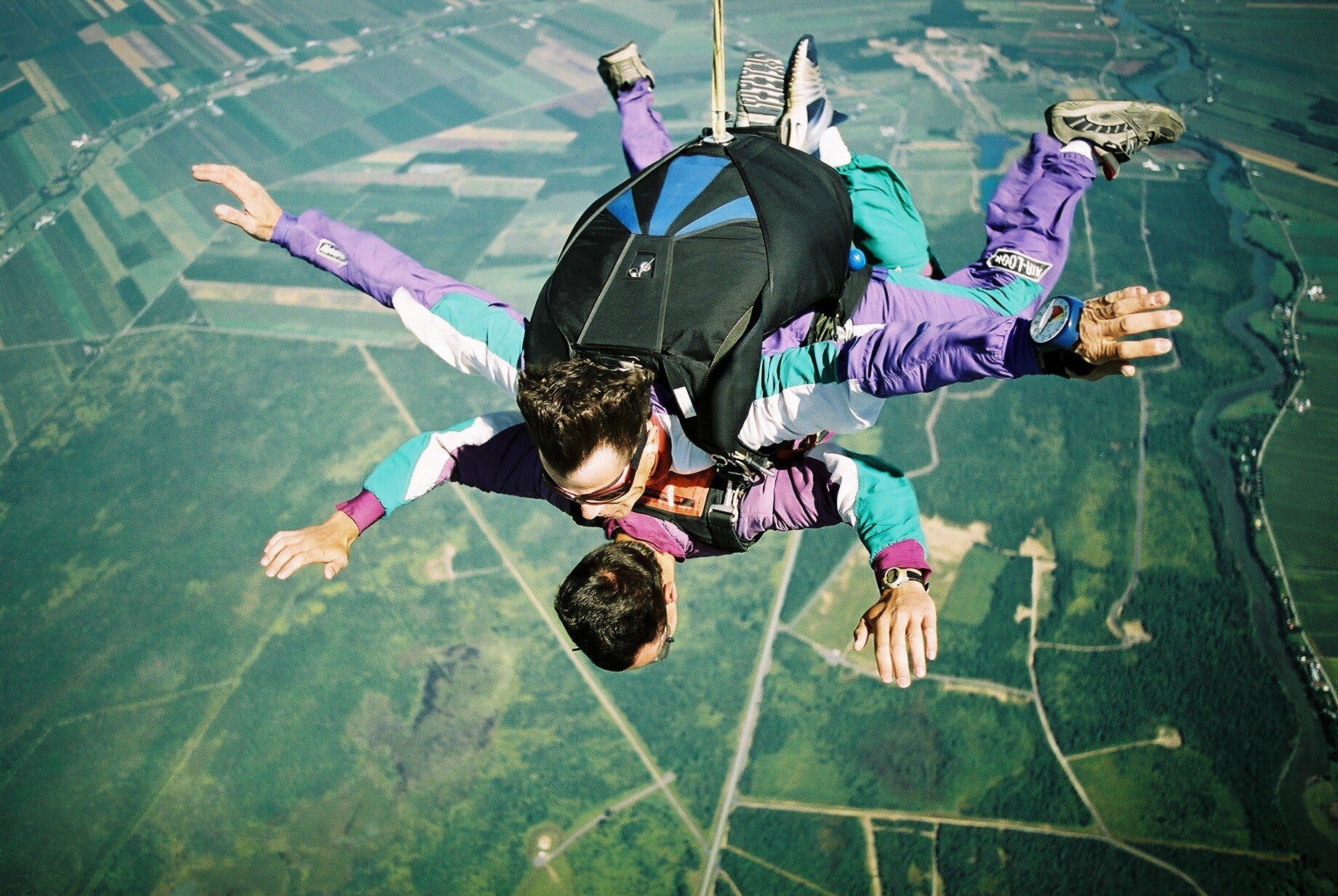
Barcelona offers a spectacular backdrop for flight, whether you’re over the coast or in the tunnel. For outdoor skydiving in Barcelona, jumping near Manresa provides breathtaking views of the Mediterranean Sea, the Montserrat mountains, and the Catalan capital from thousands of feet up. If you prefer to stay indoors, Barcelona’s indoor skydiving offers a high-tech alternative where you can enjoy two consecutive flights — the equivalent of two airplane jumps from 4,000 meters. The wind speeds can reach a powerful 280 km/h but are perfectly adjusted to your weight and height, giving you a customized and safe "freefall" experience.
Now that you know the differences between "real" skydiving and the wind tunnel, it’s time to choose your adventure! Whether you're craving the ultimate adrenaline of outdoor skydiving or the accessible thrill of indoor flights, an unforgettable experience awaits. Why not try both and see which one you prefer?
If you want to keep your head in the clouds, check out other guides for more gravity-defying ideas: Paragliding vs. Hang Gliding and The Complete Guide to Bungee Jumping.
Whichever you choose, enjoy the rush!
I’ve always loved traveling on my own and chasing new experiences, especially outdoors. I tend to plan my trips carefully, and I enjoy sharing what I discover — tips, places, and little lessons — in the hope that it can inspire others or help them make the most of their own adventures.
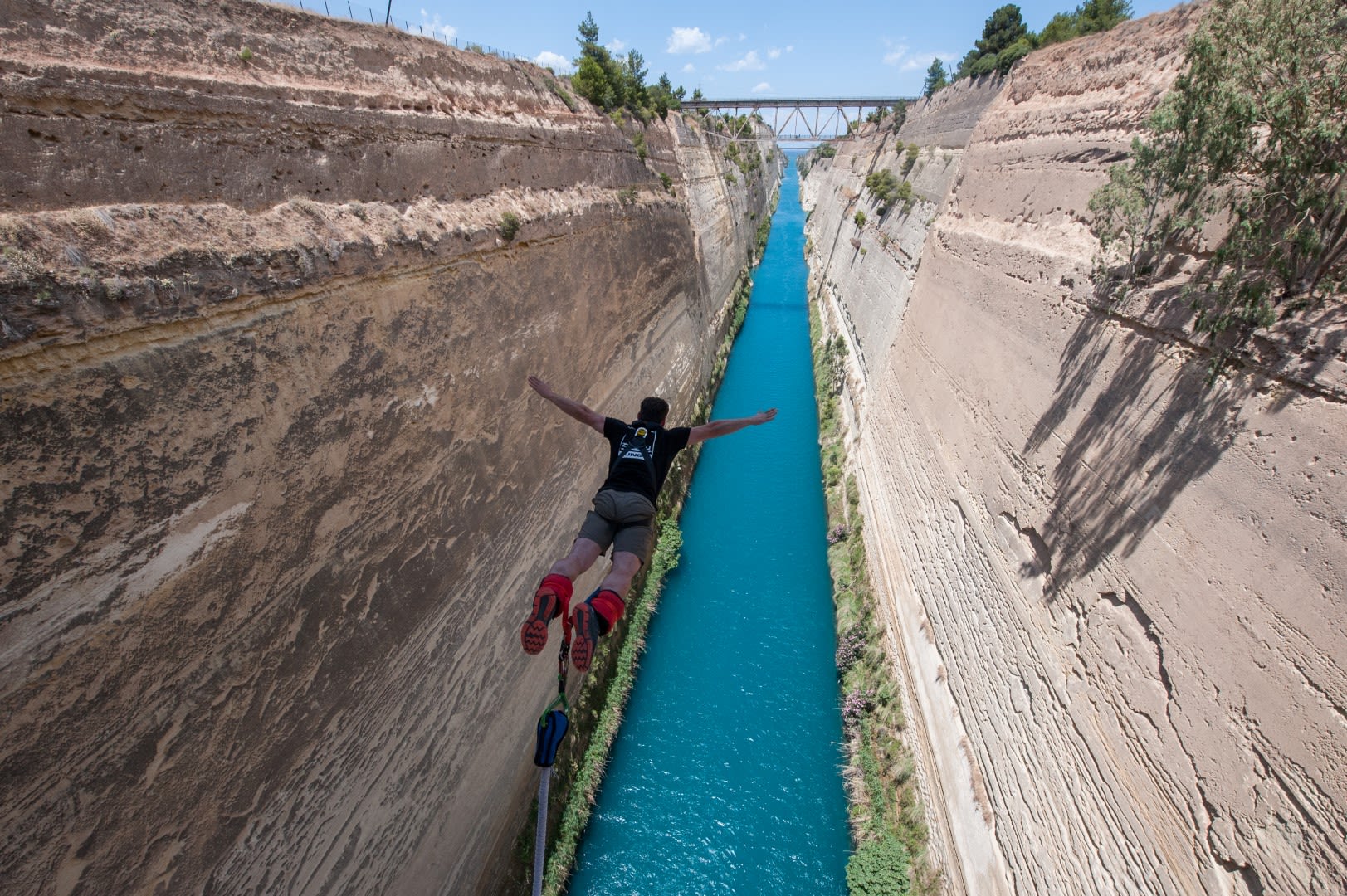
Learn everything you need to know about bungee jumping : from the history of this sport to the equipment to practice this activity...
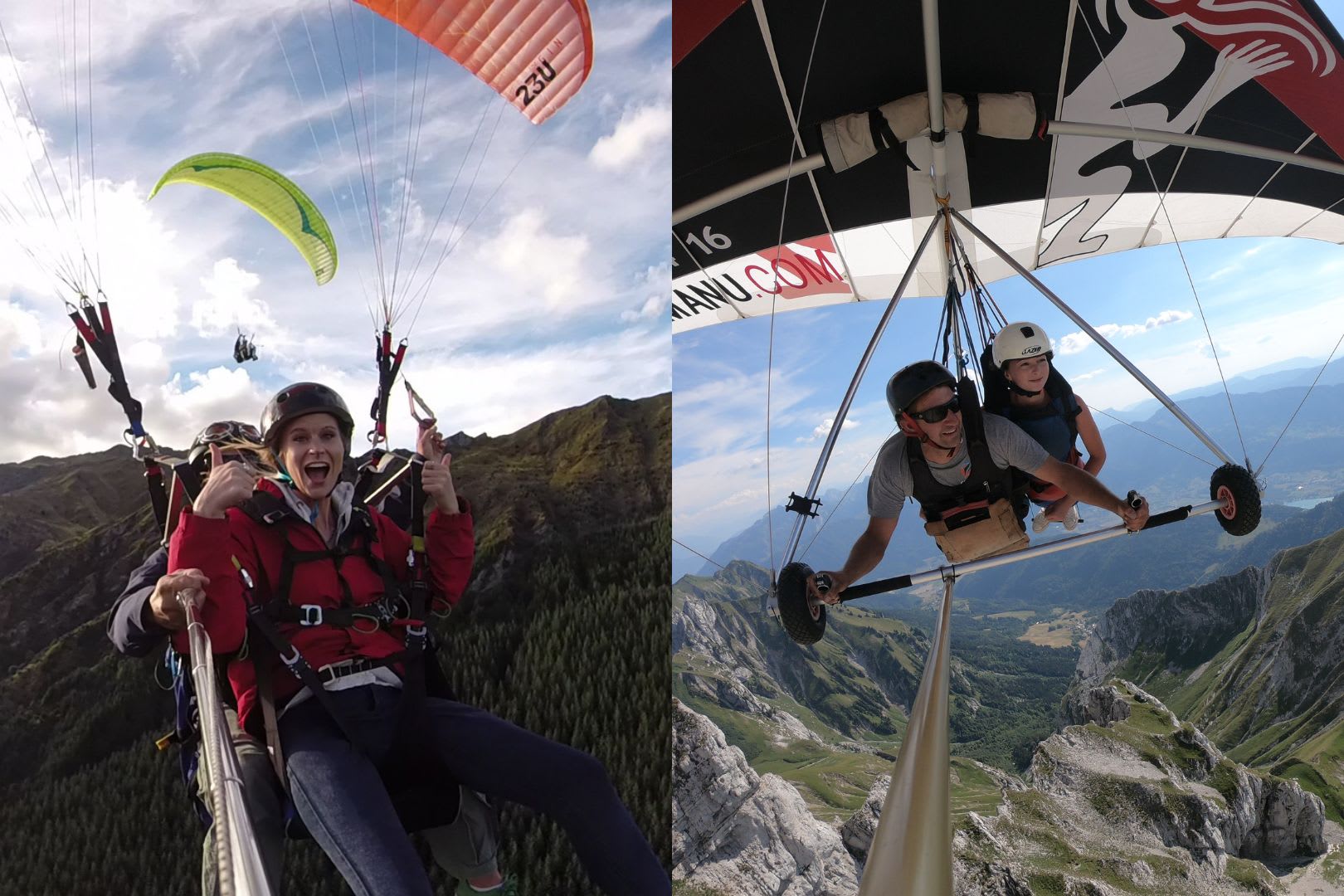
Paragliding vs hang gliding: which is right for you? Learn the key differences, benefits, and safety tips, and get ready for an unforgettable flying experience!

Thinking of booking your first tandem skydive? Here's everything you need to know before your jump, and all answers to your questions about skydiving.
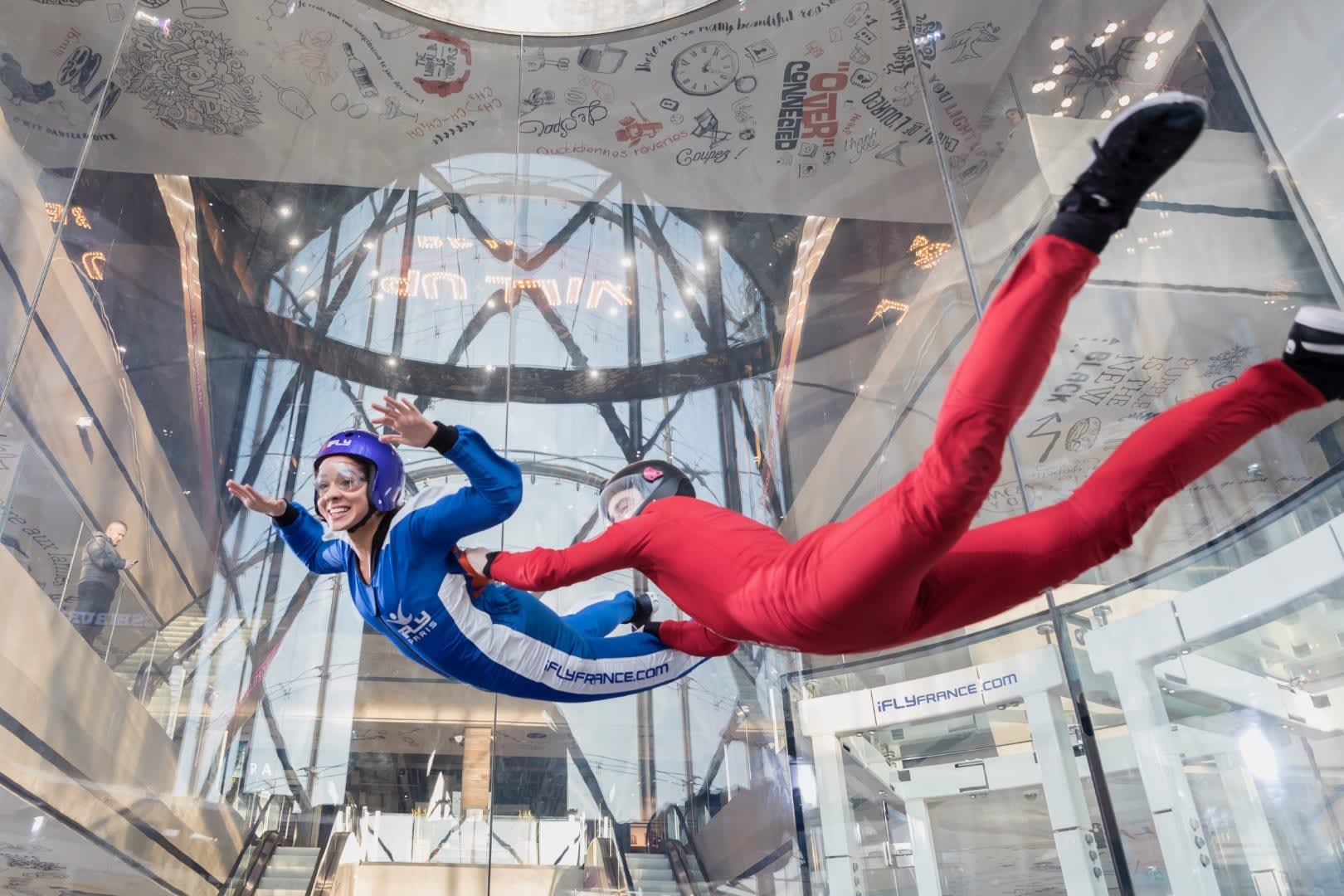
All you need to know about indoor skydiving and wind tunnels. Find all the information before embarking on this experience like no other.
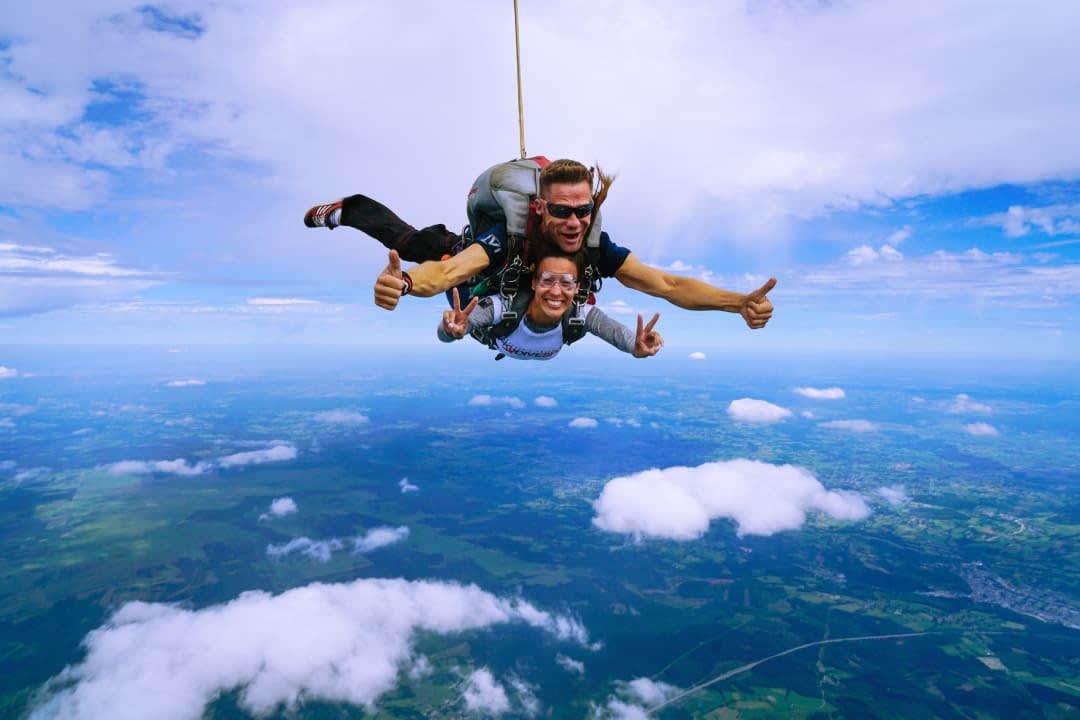
Explore Belgium’s top skydiving spots and experience breathtaking freefalls over forests, fields, and towns.
Discover the best skydiving spots in France: over the beaches of Corsica, facing the Mont Blanc, admiring Mont-Saint-Michel and next to Paris!