Canyoning
Recommended
Canyoning at Guadalmina Gorge in Benahavís near Marbella
(66)
Organized by Turiactivo
Marbella, Spain
3 hrs
From€50
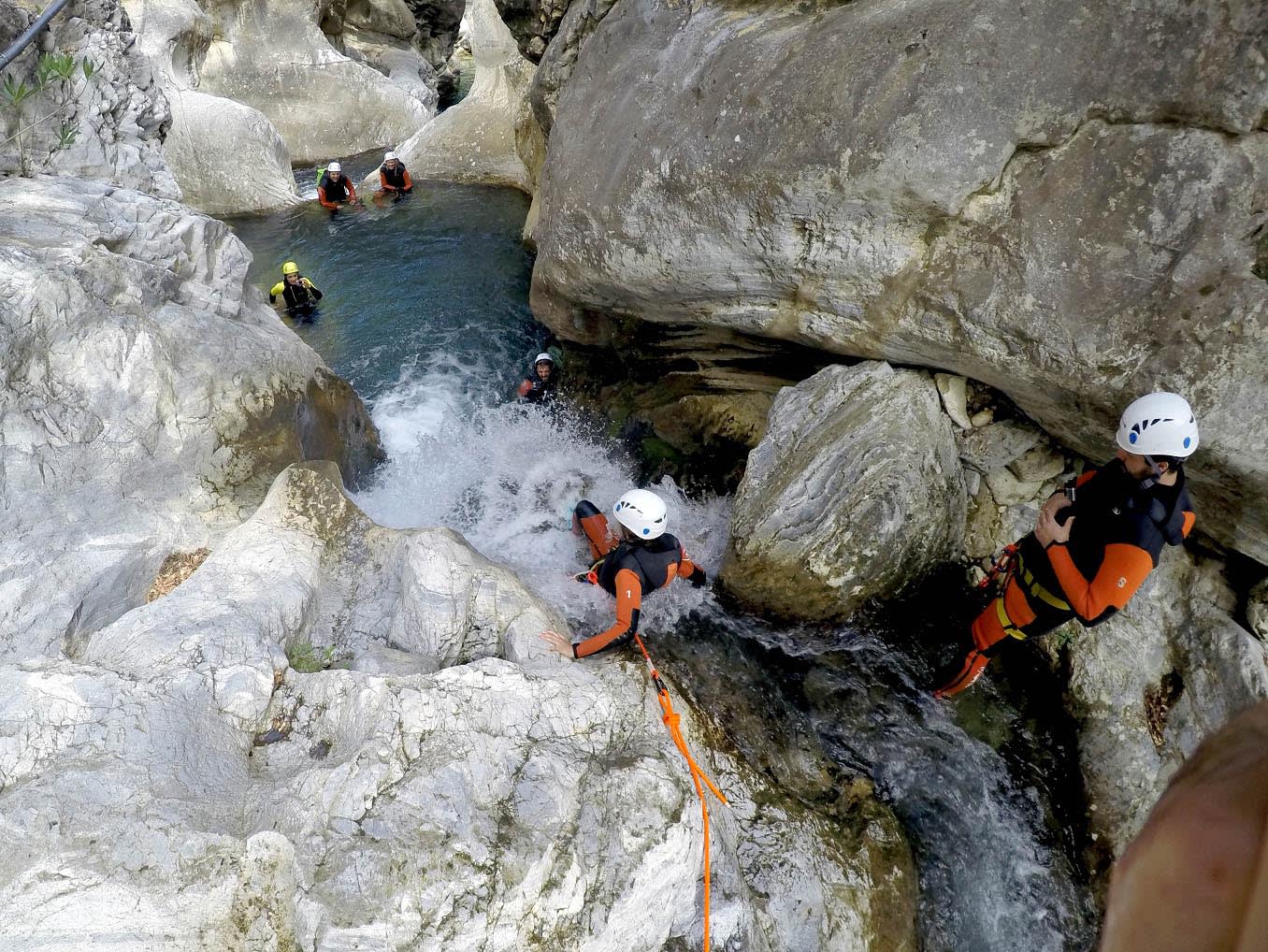
Loved by adventurers worldwide, canyoning combines technical challenges with thrilling routes through gorges, waterfalls, and natural water slides. Read on to discover what to bring and where to experience this unforgettable adventure.
Welcome to Manawa, the website for booking outdoor activities around the world. From diving to canyoning, we connect adventure enthusiasts with professional local instructors to guarantee unforgettable experiences.
There is nothing quite like the thrill of stepping into a hidden world carved by nature over millions of years. If you love the outdoors and are looking for an adventure that gets your heart pumping while fully immersing you in wild landscapes, canyoning is exactly what you are looking for. It is the ultimate nature playground, turning mountains, rivers, and gorges into a giant obstacle course. From gentle, family-friendly river walks to adrenaline-fueled vertical descents, this guide will take you through everything you need to know to gear up, stay safe, and take the plunge.
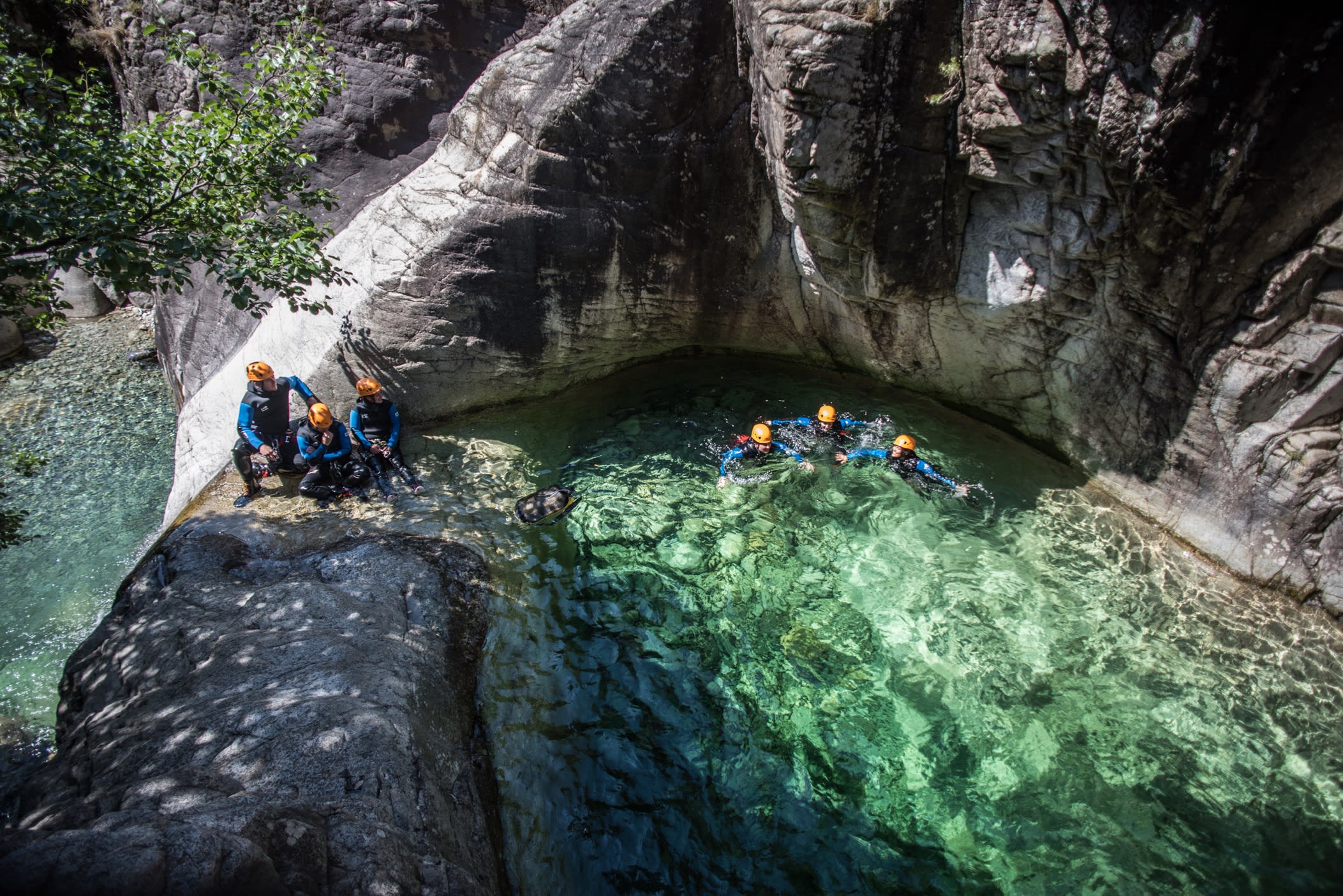
Canyoning is also known as canyoneering in the US. This sport combines hiking, swimming, jumping, abseiling, and sliding through narrow canyon spaces. Most canyoning activities begin high up in the mountains, with some hiking required to get to the start. Canyoning courses take you down the mountain following the flow of water. The course can involve waterslides, waterfalls, whitewater sections, and dry sections.
Another term sometimes used interchangeably with canyoning is Aqua Hiking. Aqua hiking differs, however, in that it takes place in flatter canyon spaces. Because Aqua hiking is more of a walk or swim than a descent, you usually don’t use any rope. There is also very little climbing. This activity is far gentler than canyoning. It’s a good choice for less athletic people and families with young children. If you are unsure which vibe suits you best, you can read our breakdown on Canyoning or water trekking? to find your perfect match.
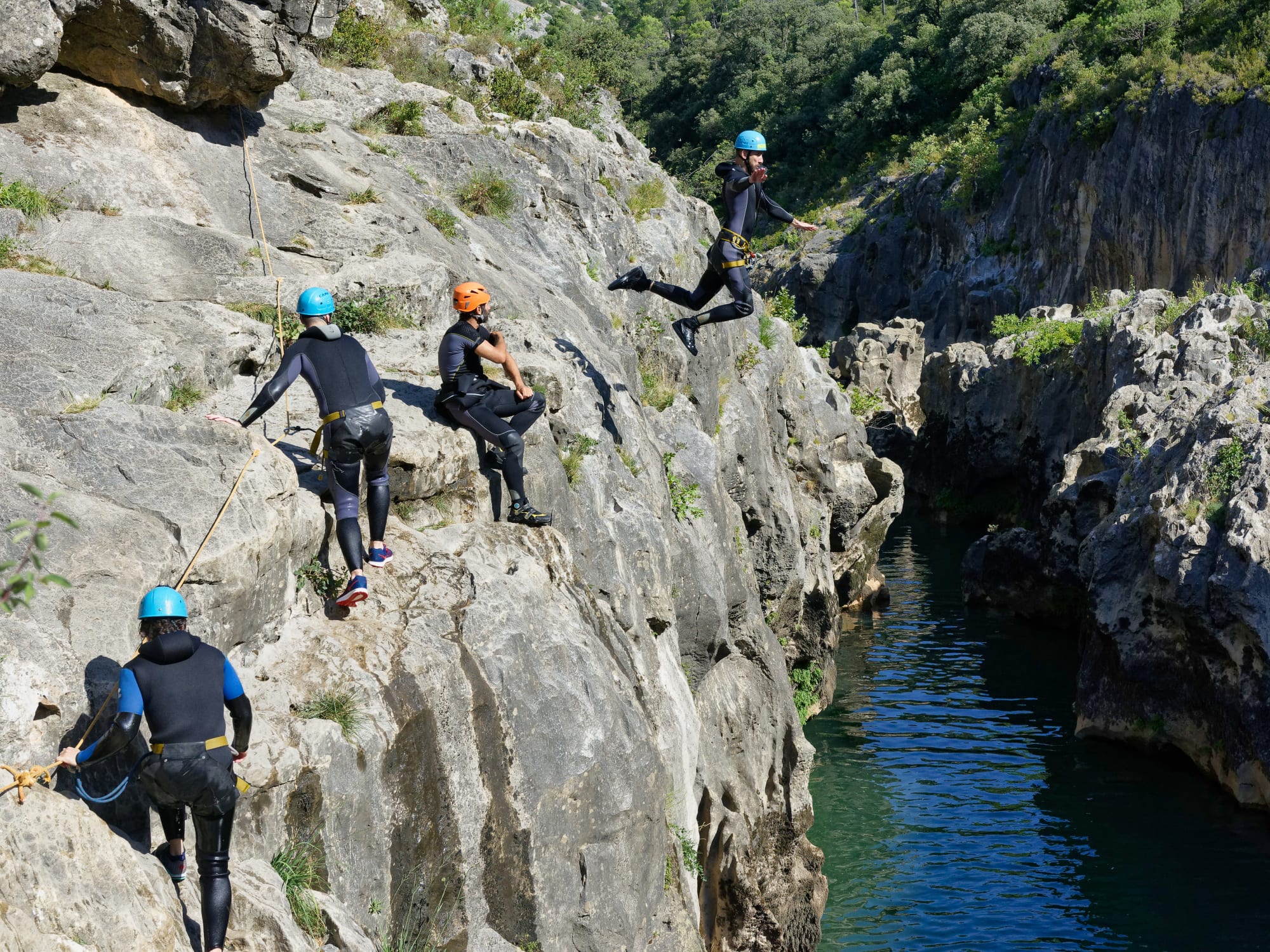
Located in the mountains, adventurers descend steep canyons, passing over waterfalls of different heights. The descent consists of the following techniques:
Canyoning and canyoneering involve technical descents and require abseils (rappels), ropework, technical climbing, technical jumps, and/or technical swims. This sport is frequently done in remote and rugged settings. It can involve navigational and other wilderness survival skills, though most adventurers practice the sport with certified instructors.
The mountain canyons form narrow gorges with numerous drops, smooth sculpted walls, and spectacular waterfalls. Most canyons are cut into limestone, sandstone, granite, or basalt.
Canyons can be very easy to descend or extremely difficult. A wide variety of canyoning routes are found throughout the world, and canyoning is enjoyed by people of all ages and skill levels.
Besides being quite a challenge, people ultimately love canyoning for how beautiful and immersive it is. Participants can swim through beautiful pools of water, slide down rocks and simply have fun! Some courses even have small Via Ferrata or Zipline sections as well.
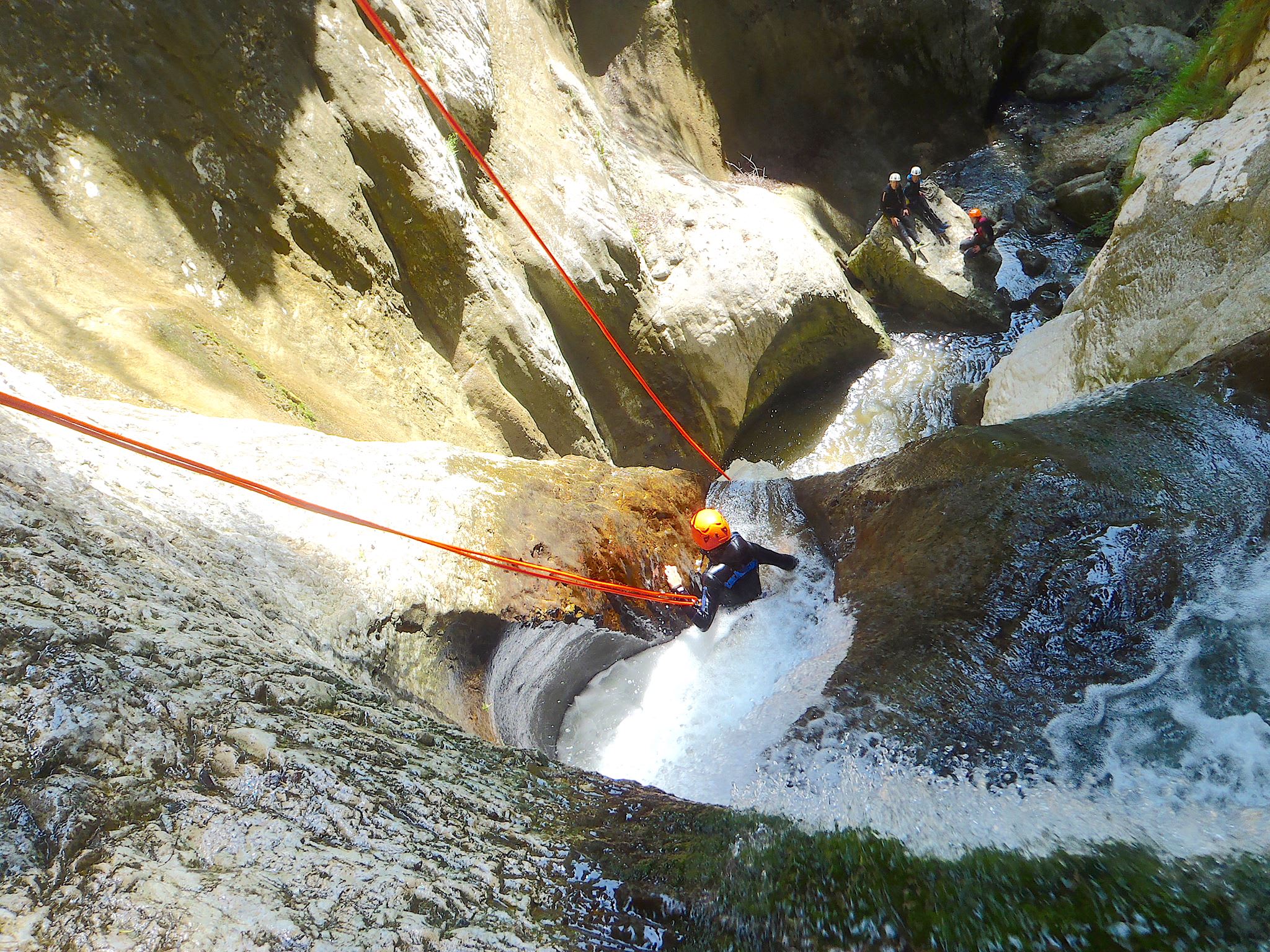
The term “canyoneering” was thought to have been first used by a member of John Wesley Powell’s expedition down the Colorado River in 1869.
Canyoning is practised all over the world and its version was likely developed individually in each country. For instance, cavers in the 1930s are credited with canyoning’s inception. Australian bushwalkers adventured through local canyons in the 1950s. In the U.S., hikers, climbers and paddlers explored the canyons in the 1940s and 50s. Because of this, different techniques and equipment have evolved uniquely in different countries.
Many of the canyons used today for entertainment were once traversed by native people. Those people were likely wearing primitive clothing, had bare feet, sandals or moccasins. Ropes used generations prior involved scaling challenging vertical descents using simply hemp and manila ropes. It’s amazing to think of the courage they must have had!
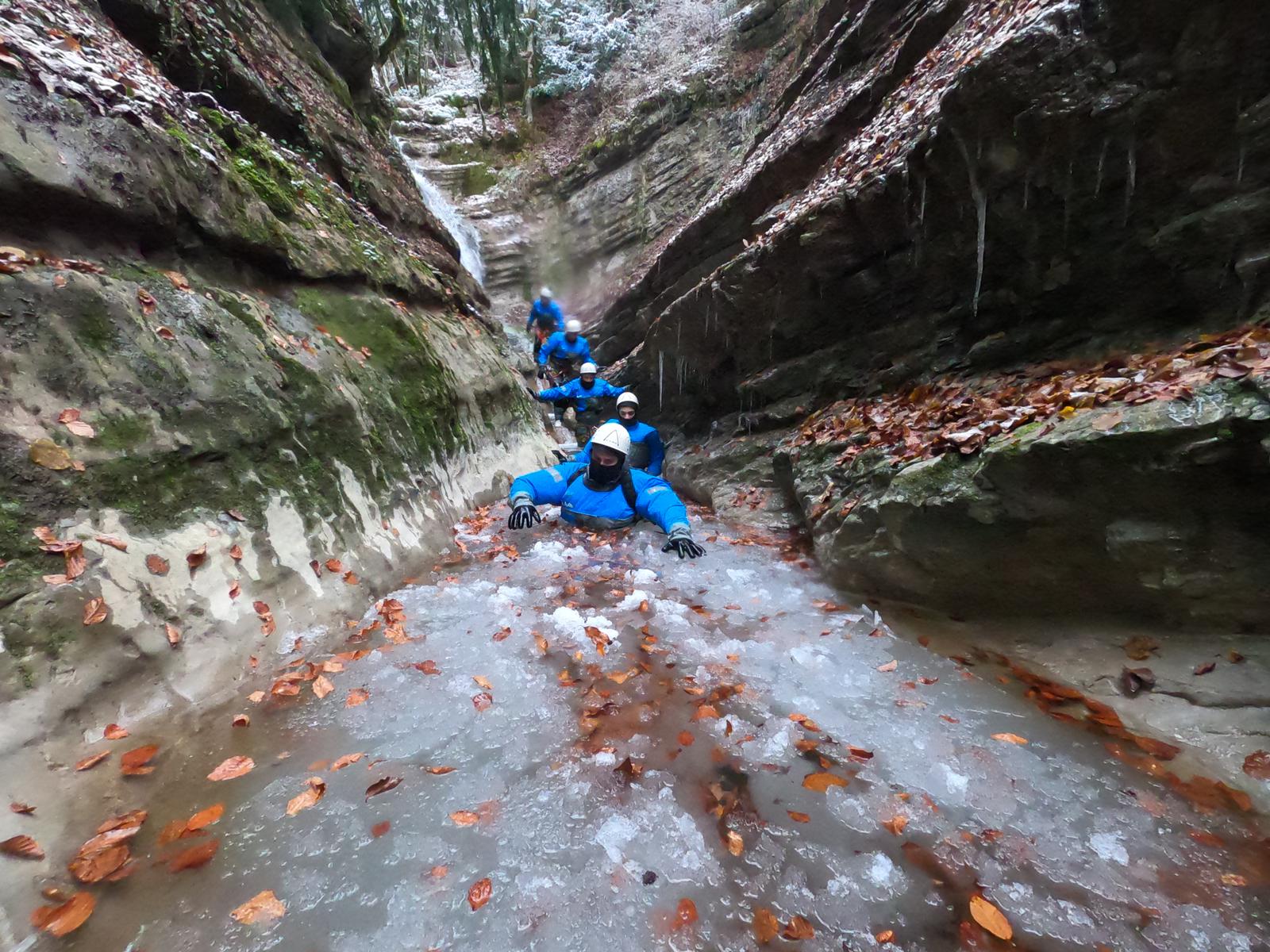
Winter canyoning takes place in very cold, often snowy environments such as the Alps and the Pyrenees. These conditions usually require wearing a dry suit, as water temperatures can drop to around 2°C, making it essential to prevent hypothermia.
For example, you can try a winter canyoning adventure near Lake Annecy in the Angon Canyon. Although the experience is undeniably cold, it rewards you with stunning scenery: leafless trees, icy formations, and exceptional winter light. The canyon takes on a magical, almost frozen-in-time atmosphere that’s easy to fall under the spell of. Despite the conditions, it can still be suitable for beginners who are ready to embrace the cold.
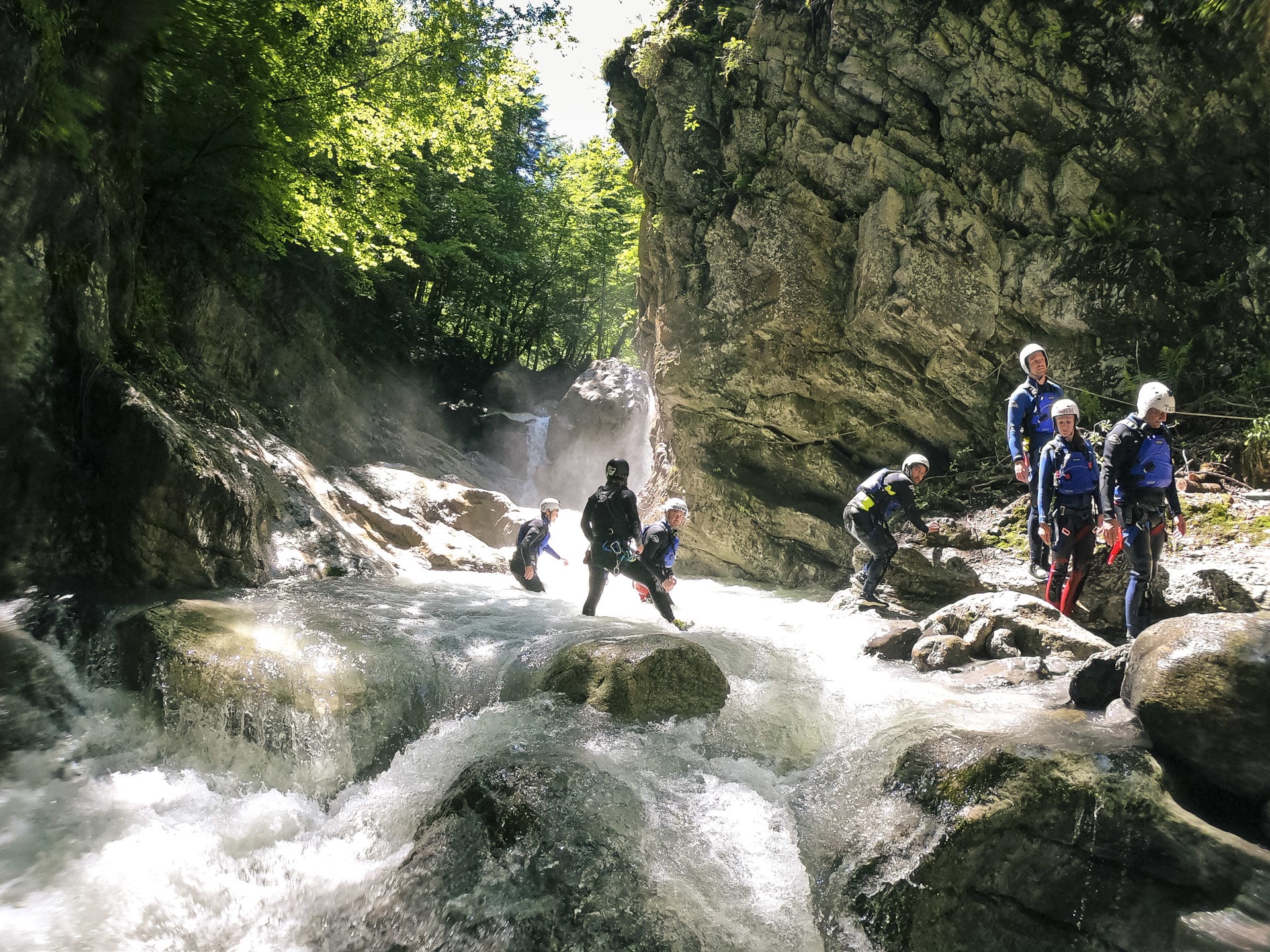
Typical canyoning courses are usually open to participants aged 12 and up while aquatic hiking is generally suitable for children aged 6 and over and is often recommended for families.
While age is one factor, physical and mental fitness are equally important. Canyoning is a demanding activity, and many routes only begin after a significant hike—anywhere from a few minutes to up to two hours.
Furthermore, water temperatures are often fresh, so people who are sensitive to the cold may not fully enjoy the experience (even if a wetsuit is provided).
Canyoning can also be challenging in that, once a route has started, you usually need to complete it. There is often no easy way out, so even if you become tired, you’ll need to continue. Many routes also include more or less long walks back to the base or activity centre.
Some sections involve high jumps or abseils that cannot be avoided. However, easier routes often offer alternative paths, and more technical sections can sometimes be bypassed. The best approach is to be well-informed about the route before you go.
Finally, it’s important to be alert and well-rested—canyoning should not be attempted after a heavy night out. The activity requires concentration and technical precision, and staying focused is essential for both safety and enjoyment.
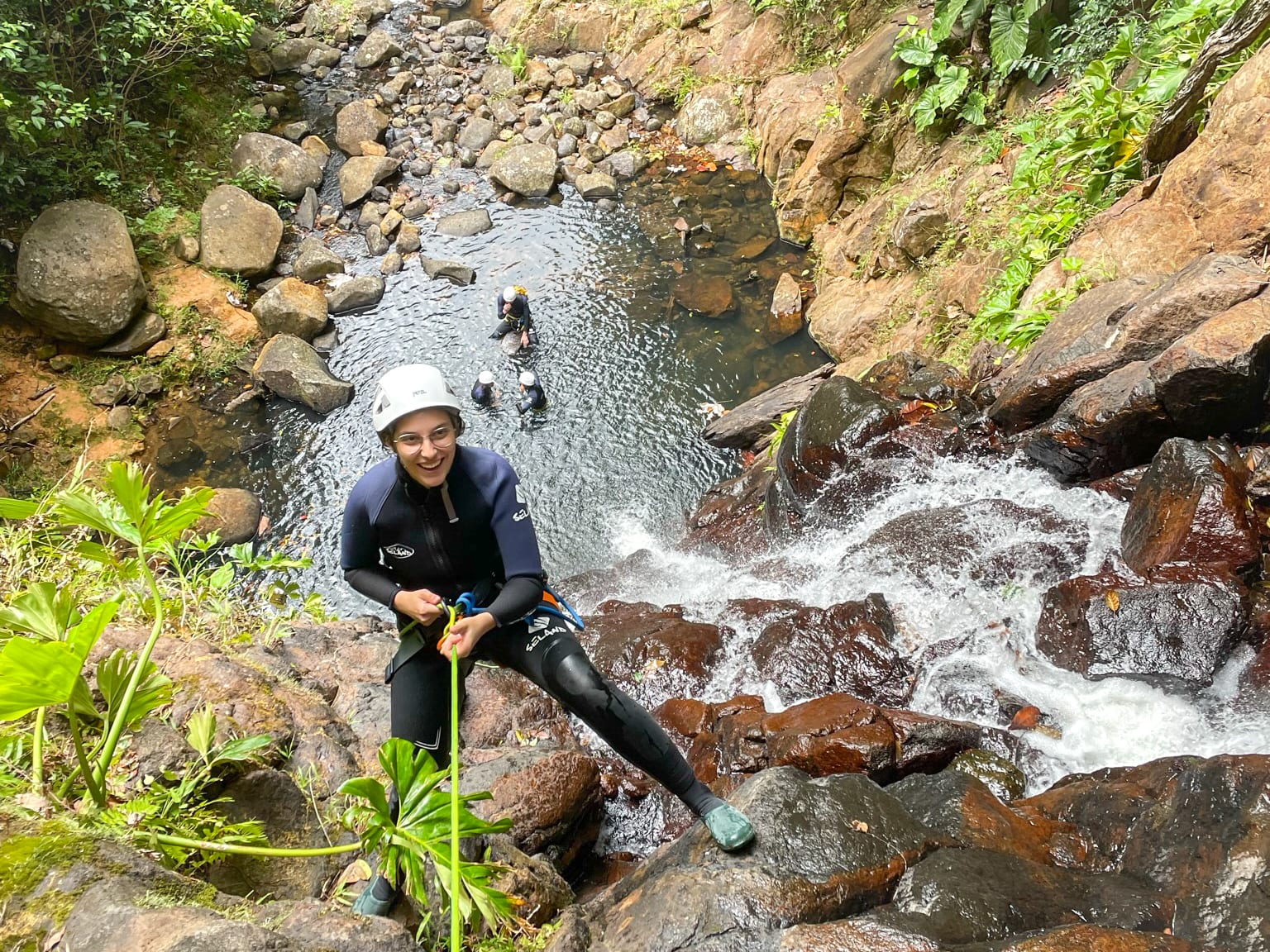
People with vertigo, or a history of bone fractures, back injuries, heart conditions, or ankle problems, are generally advised not to participate in canyoning. You should always inform your activity provider of any medical conditions, as they can help assess whether canyoning is suitable for you.
In most countries, group sizes are limited to a maximum of 8 participants. This is an important safety measure, as instructors need to closely supervise each person throughout the activity. Larger groups are not suitable for canyoning.
It’s also essential that all participants in a group have a similar fitness level. Once the activity has begun, groups cannot be split, and everyone is expected to complete the course together.
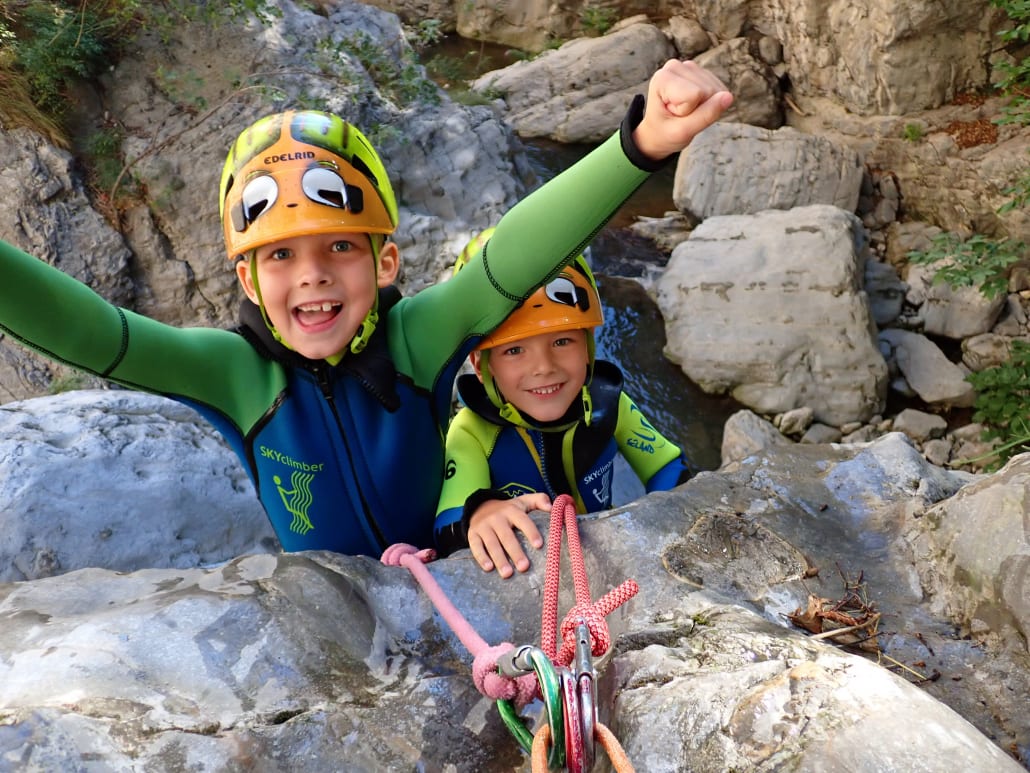
Canyoning can absolutely be a great activity for kids, as long as you choose the right route and conditions. It’s a fun, engaging way for children to build confidence, coordination, and teamwork skills while exploring nature. Many beginner-friendly routes are suitable for younger participants — for example, initiation canyoning near Tignale at Lake Garda is accessible from around age 6, while slightly more technical routes like the Mitan River canyon in Morne-Vert, Martinique are better suited for kids 12 and up. There are even specially designed experiences, such as kids’ canyoning in the Rayaup Ravine in Castellane, open to children as young as 4.
With proper supervision, good physical condition, and guidance from professionals, canyoning can be a safe and memorable family adventure — just be sure to check age requirements and route difficulty in advance.
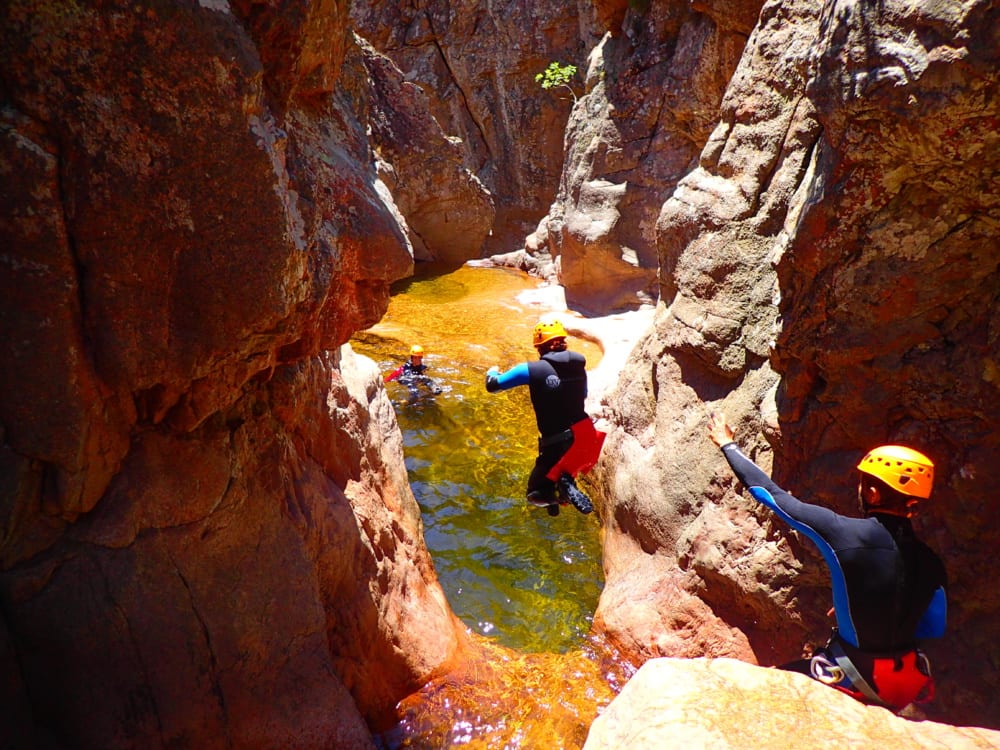
Canyoning is a rather technical sport, so it’s recommended to use equipment made specifically for it. The equipment needs to be durable and able to withstand heavy wear. Usually, professional instructors will provide you with the appropriate gear.
What will typically be provided by your instructor:
You will usually need to bring:
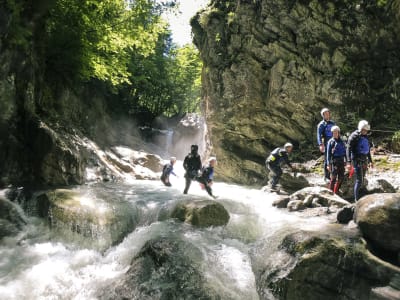
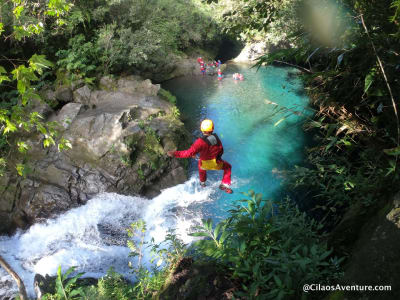
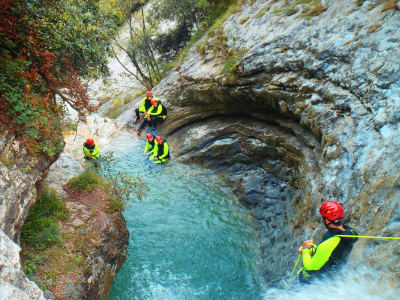
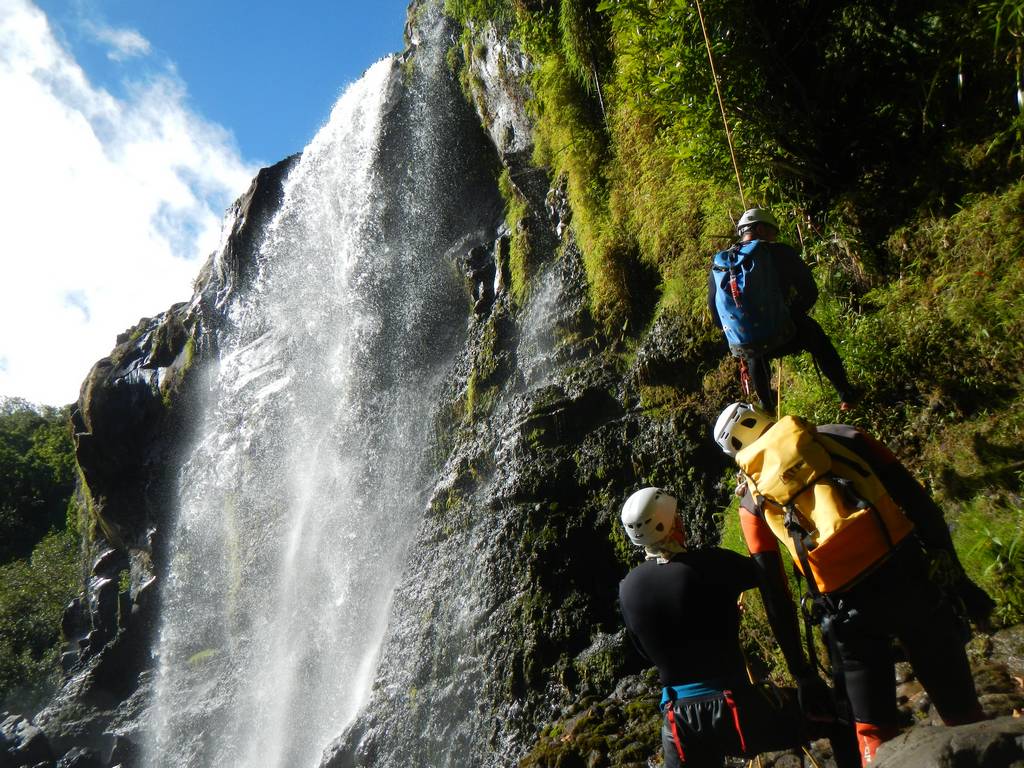
Tropical Reunion Island is known for being one of the most stunning places in the world to go canyoning. The Basalt rock canyons and crisp, clear waters create fun water slides. Grain Galet waterfall above Langevin River and Trou Blanc are two of the most popular places for canyoning courses.
Canyoning in Sainte Suzanne is another famous spot on the island and is great for families and beginners. Sainte Suzanne, also known as Bassin Boeuf, offers two sections of canyoning.
The first part of the canyon is called Sainte-Suzanne Classique. This section lasts about half a day. It takes only a few minutes to reach the start of the course and features small jumps into beautiful turquoise pools. The second part, called Sainte-Suzanne Intégrale, is a more advanced section that requires greater athletic ability. This course lasts a full day and can be exhausting.
The Sainte Suzanne Integral includes a river cave crossing for 20 kilometres, 9-metre jumps, giant zip lines and abseiling sections. You can also learn more about canyoning on the island in the article Top 6 canyoning spots on Reunion Island.
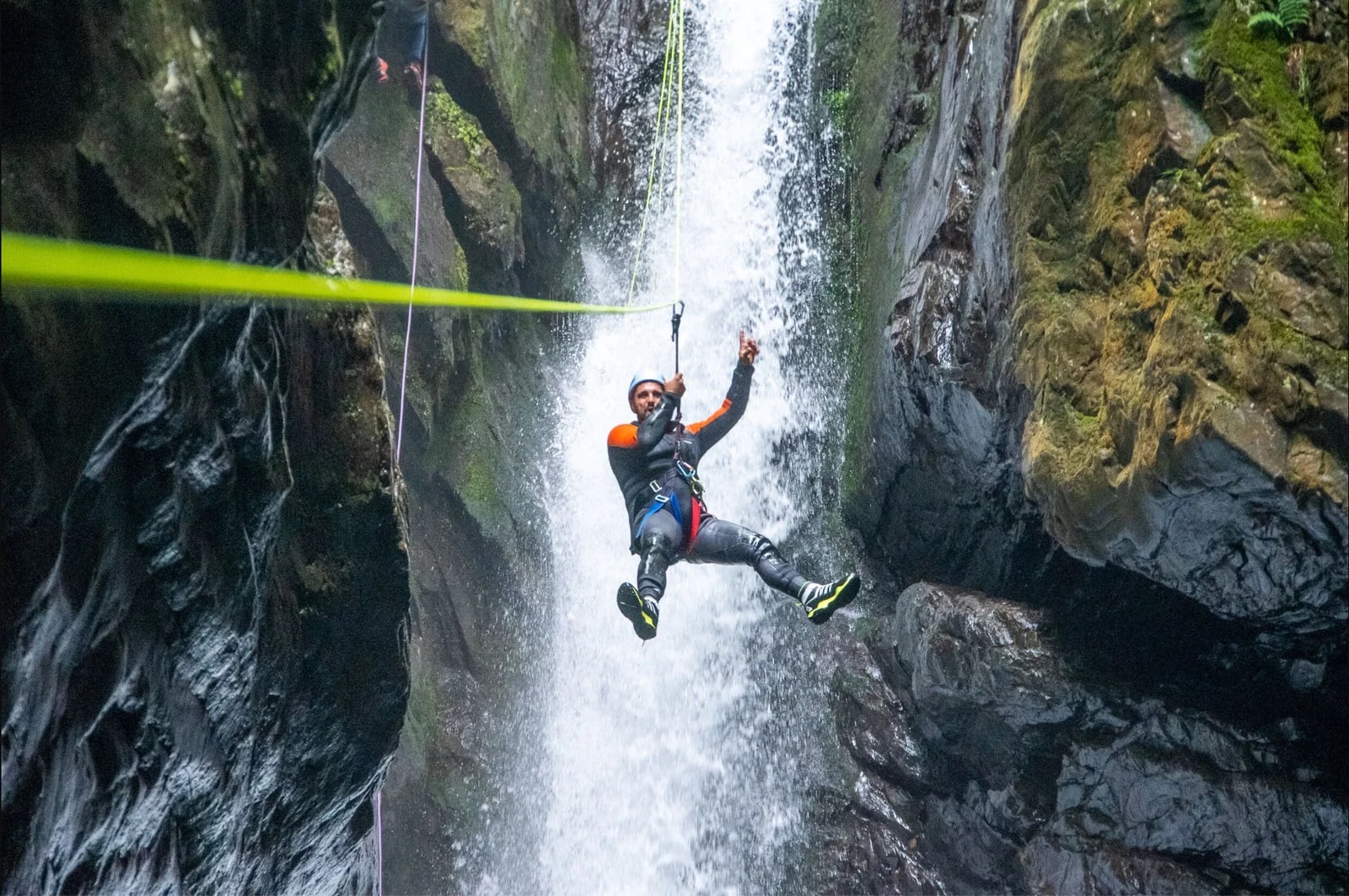
The Spanish Catalan Pyrenees are full of beautiful canyons to explore. Canyoning excursions at Marc Canyon in the Pyrenees, for example, are ideal for beginners.
Marc Canyon, or Canyon de Marc, can be enjoyed by adventurers as young as 12. The walk to the starting point takes only 10 minutes, and the course itself lasts around three hours. The route takes you through lush forests and over a succession of abseils, and even includes a 25-metre zip line. There are also many small waterfalls that create fun natural slides along the way.
Later, you’ll have the chance to make an invigorating 8-metre jump into a natural pool of mountain spring water. This is a great option for groups and for people with average fitness levels who want a wet and wild adventure!
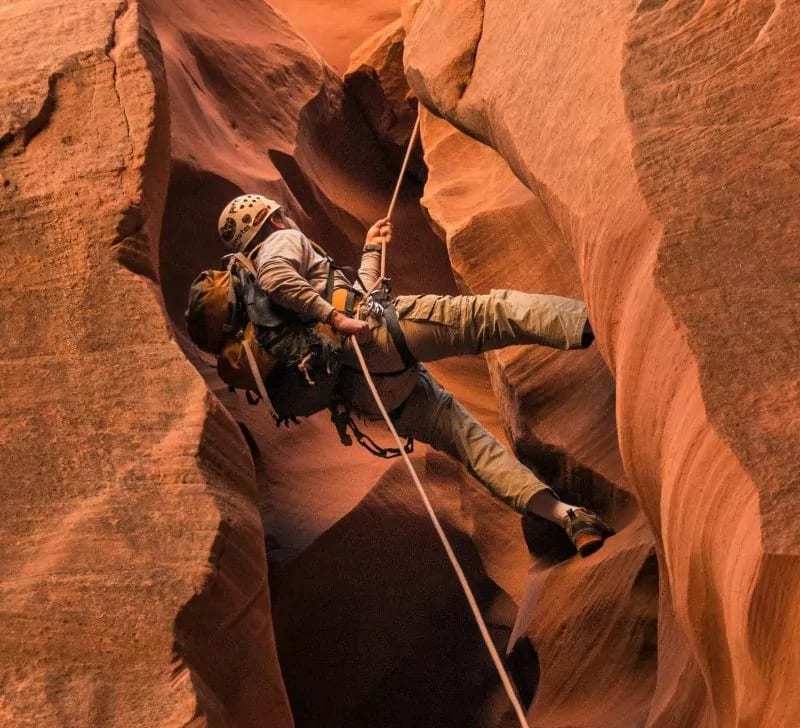
Last, but definitely not least, is Utah, USA. There are hundreds of canyons in Utah to explore. Some of the best-known include Orderville Canyon, Johnson Arch Canyon, and the canyons throughout Zion National Park.
Canyoning here is especially unique because of the smooth, red-rock formations and orange canyon waters. These technical canyons have huge abseils and are very fun. Canyoneering USA offers quite a bit of detailed information about each canyon, what level of skill is needed, and some of the best features.
At the end of the day, canyoning is more than just a sport — it is a front-row seat to the planet's hidden wonders and a guaranteed way to push your boundaries while having absolute fun. Whether you are aiming for the dramatic volcanic gorges of Reunion Island, the lush trails of France, or the stunning red rock country of Utah, an unforgettable adventure is waiting for you. To keep exploring your options, dive into our collection of deep-dive canyoning articles, or head straight over to browse all of the canyoning adventures available on Manawa to book your next trip with a certified local guide today.
Driven by a genuine passion for adventure, I love sharing my discoveries and passing on my tips with simplicity and enthusiasm. My goal: to inspire you, guide you, and spark your desire to experience your own unforgettable outdoor moments.

Discover the top 6 Canyoning Spots on Reunion Island. From beginner to advanced courses, you can swim, abseil, jump and zipline your way to fun.
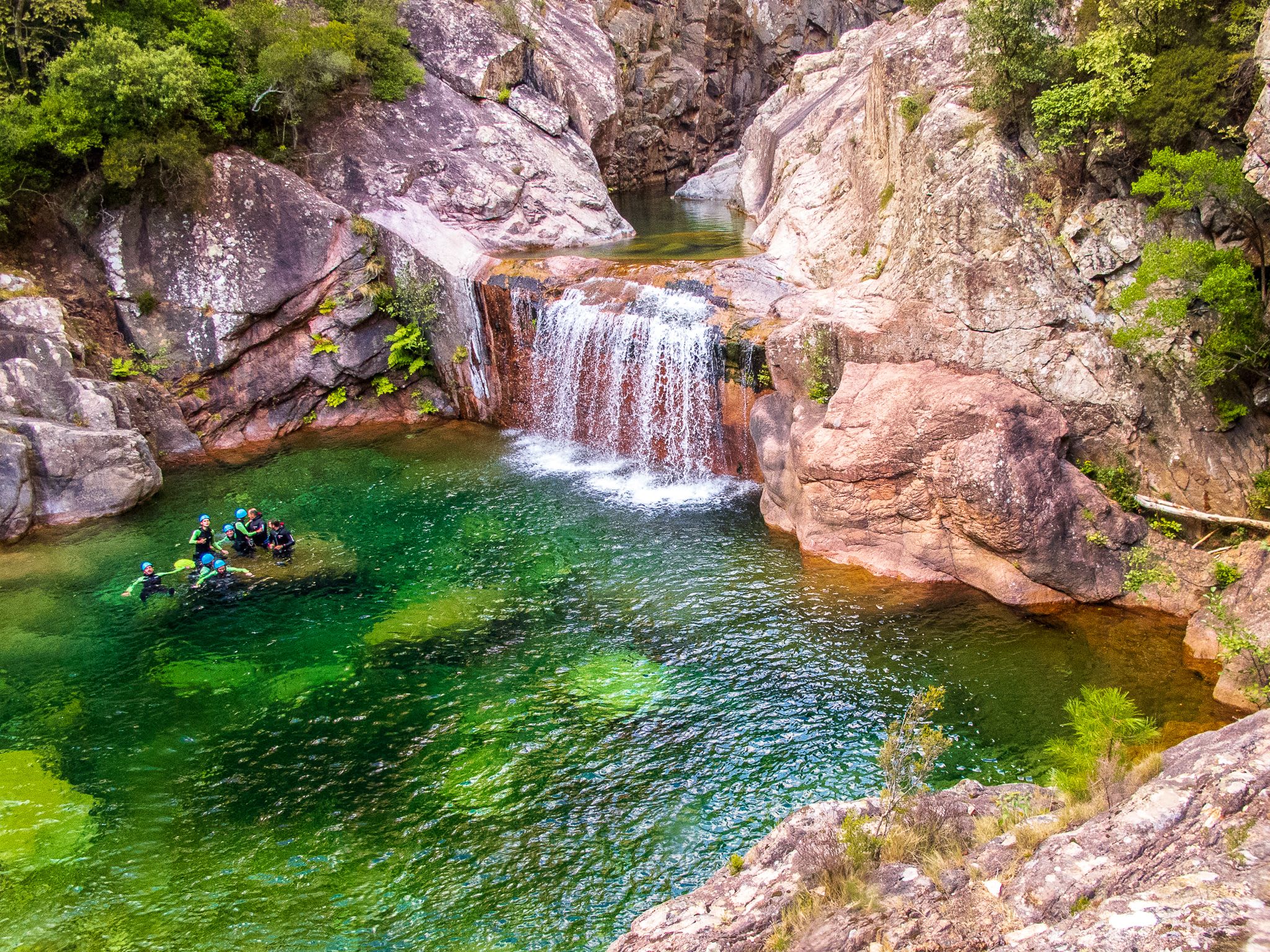
What's the difference between water trekking and canyoning? Two outdoor activities that have a lot in common...
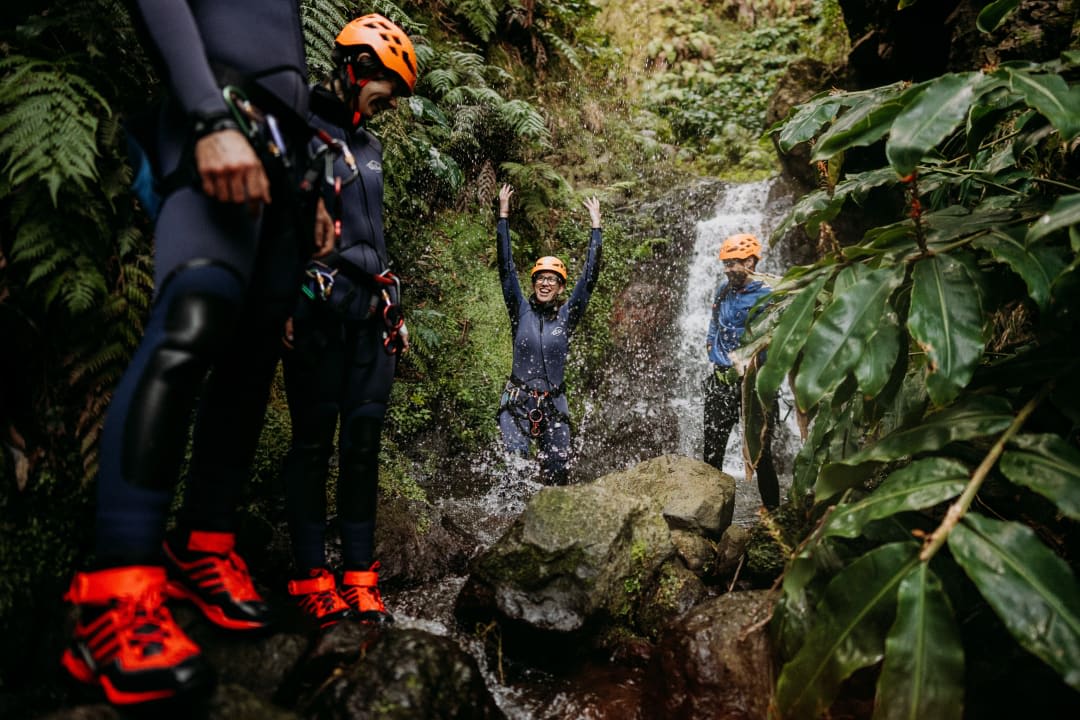
Discover thrilling canyoning in Madeira with waterfalls, pools, and hidden valleys for all adventure levels.

Discover the top 10 canyoning spots in Corsica: from the fun of Fiumicelli to the thrills of the Purcaraccia.
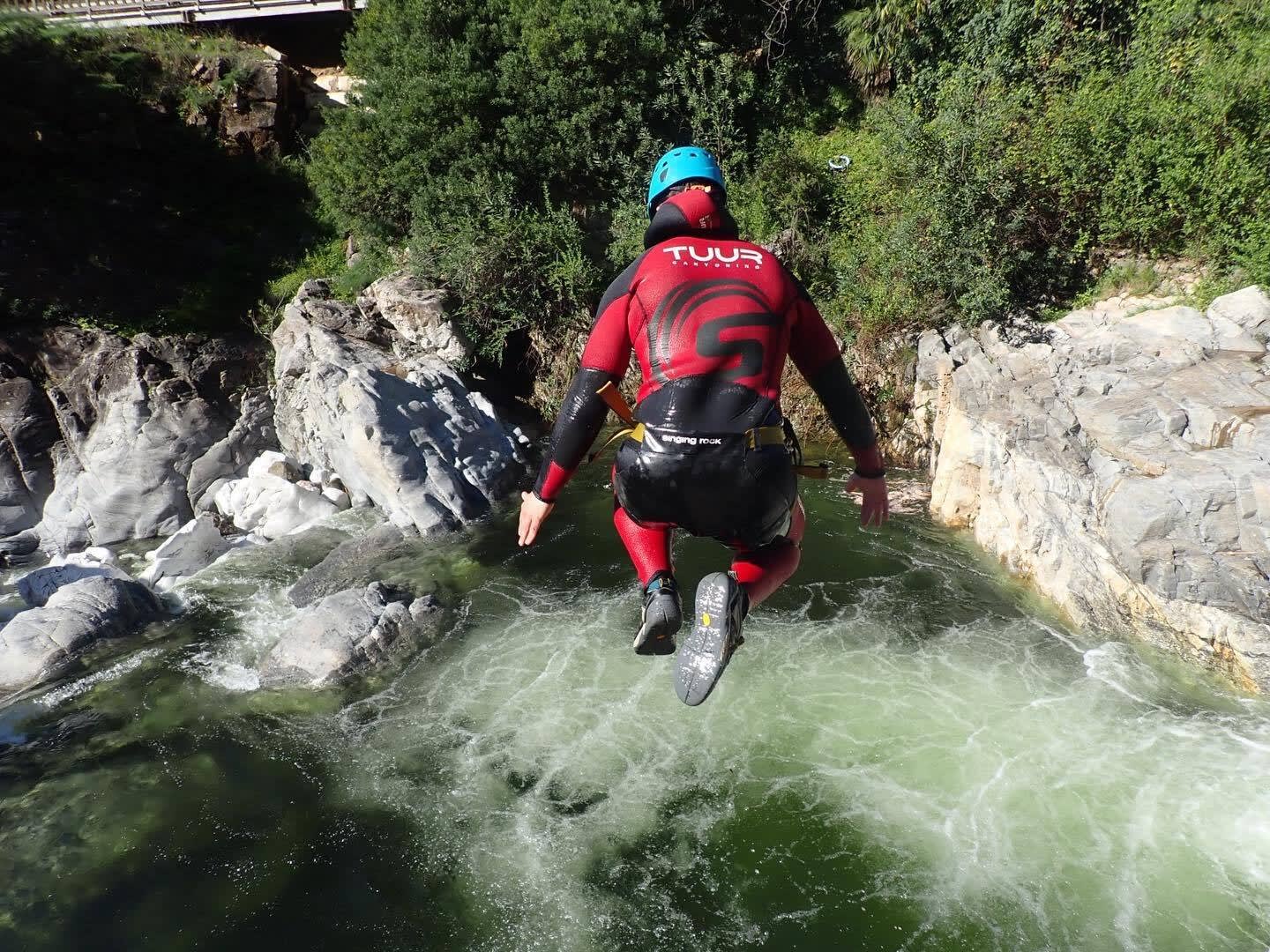
Join this adventure and discover where to go canyoning in Spain, one of the best canyoning destinations in Europe.
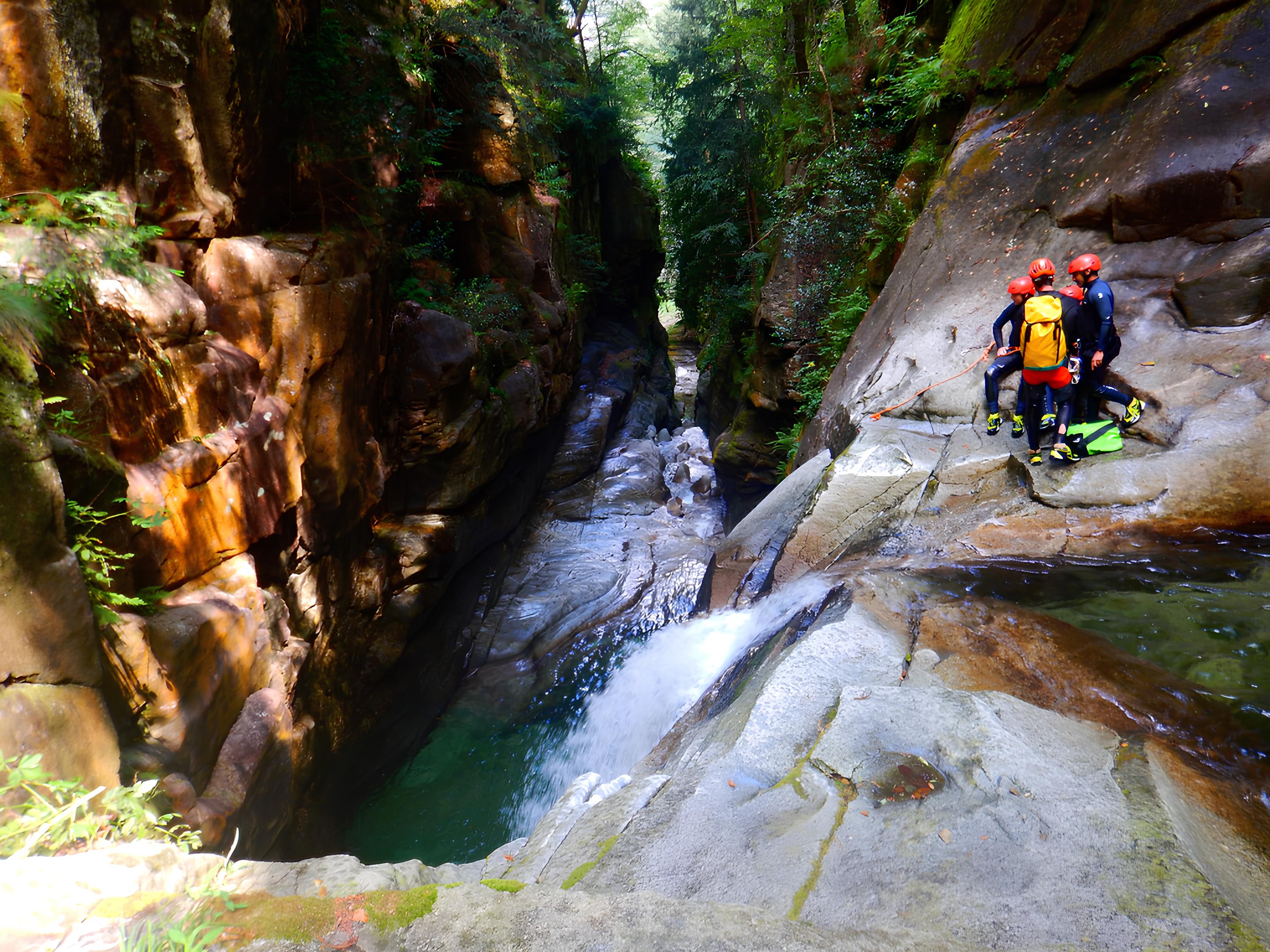
Canyoning in Ticino is like spending time in a natural playground. Explore these wild waters on the best canyoning tours.